It used to be that the chaos in college football was just background noise. You had the pomp, the weird mascots, and the alumni who still think they run the place. But lately, the machinery behind the scenes has been grinding so loudly that it drowns out the games themselves. By the fall of 2020, the sport wasn’t just messy. It was teetering on the edge of a spectacular, possibly permanent, collapse.
Steven Rackley, a former athletic director who now teaches sport management at Rice University, didn’t mince words about the confusion.
“I can’t imagine anything worse than what’s going on right now, or how you deal with it,” Rackley said. “The biggest challenge right now is you just don’t know.”
The Great Conference Split
The crisis mirrored the broader paralysis gripping the country, but with higher stakes and deeper pockets. The central question was brutal in its simplicity: punt the 2020 season entirely and wait for safety, or force a return to normalcy immediately?
Without any top-down guidance from the NCAA, conferences went it alone. The result was a fractured landscape that defied traditional logic.
Smaller powers blinked first. The Mid-American Conference and the Mountain West declared early. No fall sports for them. Not football. Not anything.
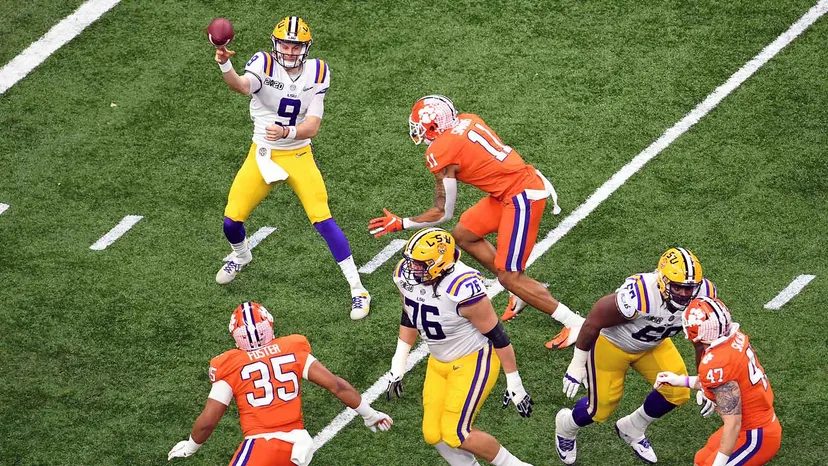
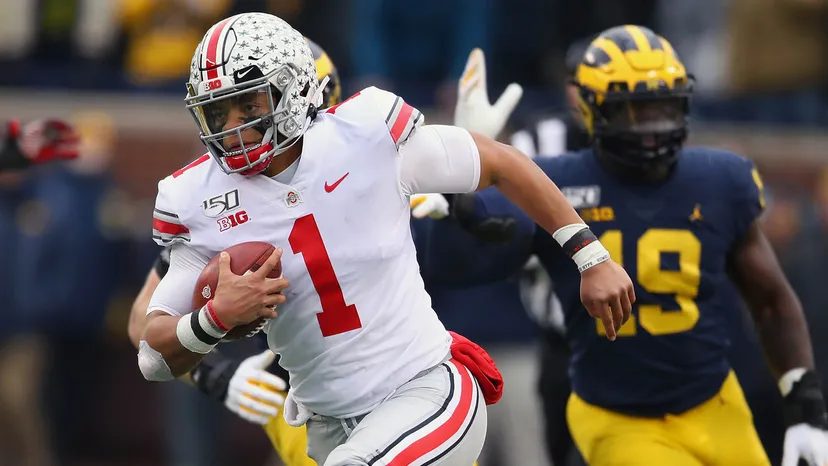
Then the heavyweights started to crack. On August 11, 2020, the Big Ten made its move. It wasn’t just a pause; it was a postponement of the entire 2020-21 fall season. This decision hit football royalty hard. Teams like Michigan, Ohio State, Michigan State, Penn State, and Nebraska were left staring down a blank calendar.
The Pac-12 followed suit shortly after. With powerhouses like UCLA, Oregon, and USC in its ranks, the Pac-12’s decision signaled that even the most resilient programs were willing to pull the plug to avoid risk.
But not everyone was ready to surrender the autumn.
The Southeastern Conference (SEC) dug its heels in. The 14-team league, home to Alabama, Georgia, and defending national champion LSU, seemed determined to play. They wanted the pigskin in cold, dead hands if they had to. While we reached out to athletic directors at other Power Five schools for comment, none were willing to go on record about the future of the fall season.
Money Talks Louder Than Health Advisories
The standoff wasn’t just about epidemiology. It was about survival.
University presidents and chancellors found themselves in direct conflict with athletic directors and head coaches. Politicians jumped into the fray, adding their voices to the noise. But through the political maneuvering and the medical debates, one factor remained the undeniable center of gravity: money.
Lots of it.
When you strip away the tradition and the rhetoric, the hesitation to cancel and the desperation to play often came down to the same ledger. The financial implications of a canceled season were too steep for some to ignore.
The Financial Cliff Edge and the Human Cost
Look, who actually opposes the game? Coaches itch to direct. Players crave the grind. Fans just want to watch. Vendors have inventory. Advertisers push beer. Broadcasters need something to talk about. Even students need a way to vent. It is hard to find a stakeholder who doesn’t want college football back in 2020.
Then there is the virus. A highly contagious pathogen that has already infected more than 5 million Americans and killed over 160,000. That is the cold water. That is what keeps the “let’s wait it out” camp firmly on the sidelines.
But the pull toward normalcy is magnetic. If a return to the stands can heal some of the psychological scars left by the pandemic, it’s a tempting offer.
“Sports, historically, has always been that arm around a person’s shoulder during a difficult time,” Michael Veley, chair of the sport management department at Syracuse University, noted.
He argues that sports provide diversion. Escapism. A unifying force that crosses generations when our social interactions are severed. Do we need sports? Yes. But should we risk public health to get them? The answer is a clear no.
The reality is darker. Beneath the talk of tradition and morale is a financial panic. According to a breakdown by Sportico, the top tier of college football programs generated massive sums in 2018 alone:
- $1.1 billion in football ticket revenue
- $1.6 billion in donations, largely tied to football performance
- $2.2 billion in media rights
Cancel the season and that money vanishes.
Bill Beekman, athletic director at Michigan State, told a local economics club the brutal math. His program would lose between $80 million and $85 million if the season is scrapped. The cutbacks wouldn’t just hurt the gridiron. They would mean the end of funding for most other sports. Maybe all of them.
“We are faced with a terrific quandary,” Veley says. “How do we keep going and how do we create opportunities and provide scholarships for our athletes with the loss of our largest revenue generator?”
There is no clean answer. Not until a vaccine exists. Not until people feel safe. Until then, the balance sheet screams louder than the health warnings.
The Economic Shockwave
Money vanishes fast when the stadium lights go out. The financial bleed isn’t confined to athletic departments. It spreads into the local economy with brutal efficiency. Dave Brown, an economics professor at Penn State, warned the student newspaper that local businesses could hemorrhage tens of millions of dollars if football fans don’t show up. College towns live and die by game day. Without the crowds, the revenue streams dry up.
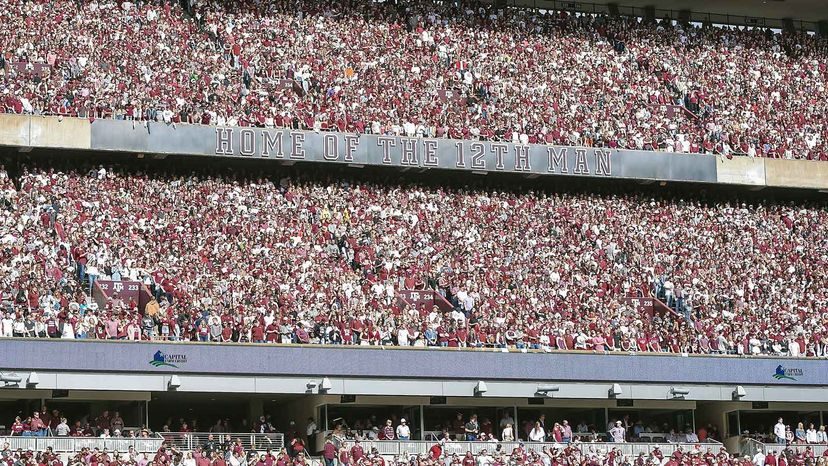
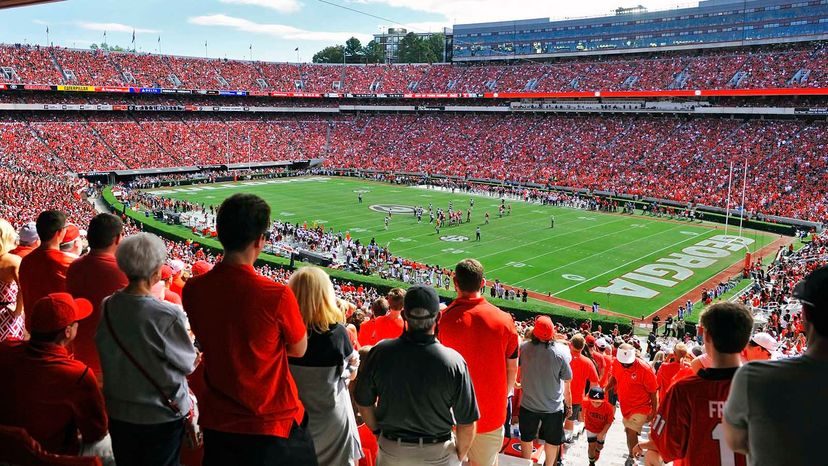
Look at Texas A&M. The Aggies are in the SEC. They pulled in $43.5 million in ticket sales and $85.2 million in donations in 2018. But that’s just the direct income. An Oxford Economics report from 2012 showed that home games generated $140 million for College Station, Texas, in 2011. $107 million of that came from fans spending cash on food, lodging, and beer during the weekend. No games means losing roughly $63 million in direct business activity for the city. The ripple effect hits harder than anyone admits.
Health Risks and Liability
Then there is the health crisis. Infection and death rates in the US are higher than they were in April. New studies link COVID-19 to serious heart problems. College administrators are right to be terrified. It’s not just about student health. It’s about liability.
“Ultimately,” Chris Low of ESPN writes, “the greatest challenge to playing this fall will be presidents and chancellors standing firm in the face of liability.”
Who wants to be the one who signs off on a season that turns into a super-spreader event? No one. But the pressure is mounting.
The Power Five Fracture
The fall season isn’t dead yet. Eyes are locked on the Power Five conferences. These are the big dogs. The SEC, the Atlantic Coast Conference (ACC), the Big Ten, the Big 12, and the Pac-12. They already delayed start dates until September. Most shifted toward conference-only schedules to avoid traveling to other leagues.
Now the Big Ten and Pac-12 have broken ranks. They are out. The pressure is shifting to the others. The SEC, ACC, and Notre Dame plan to move forward. The Big 12’s position remains murky.
Players pushed hard for 2020. The hashtag #wewanttoplay trended for a reason. Coaches felt it too. Nebraska coach Scott Frost had no schedule after the Big Ten bailed. He suggested his team join another conference temporarily. It was a desperate move. Other schools floated similar ideas.
A Season Without Fans
Here is the catch. Even if football happens this year, fans won’t be there. Empty seats mean empty wallets. Administrators are arguing for a simple delay until spring. Safety first. Maybe recoup some revenue. Maybe keep the 2021 schedule intact.
This only works if things get better. If the virus spikes again, the season is lost for good.
The Hidden Victims
When the game stops, the pain spreads. It’s not just sports programs. It’s the theater department. The new engineering building. The chemistry lab.
“I think you lose that recognition that you get week to week in the news,” Rackley says. “I think you lose the connection with your alums who might be on campus and you might be asking for donations… Those are people they need to keep connected to the school, and the best way to keep all of them connected — in my mind — is through athletics.”
Alumni give money when they feel connected. Football provides that weekly hit of school pride. Without it, the donation checks stop. The culture erodes.
The Leadership Void
We are less than a month from the supposed kickoff. The situation is an unqualified disaster. No one has clear answers. Probably because none exist.
Fingers are pointing upward. At a lack of leadership in the sport. In academia. In the highest levels of government.
It sounds familiar, doesn’t it?
The friction between student-athletes and the governing body of college sports had reached a breaking point. Earlier this month, a coalition of players from the Pac-12 Conference issued a stark ultimatum. They argued that if they chose to sit out the season for health or personal reasons, their academic safety net could not be ripped away. Specifically, they demanded that athletes who decide not to play retain both their full scholarships and their eligibility to compete in future years.
The logic was simple but radical in the eyes of the administration. Why should a student-athlete bear the financial burden of a season they didn’t play, especially when the injury or decision often stems from the very structure of the sport? The players made it clear: if you opt out, the scholarship commitment must stand.
The NCAA’s response came just days later, signaling a significant pivot in policy. In a direct acknowledgment of these grievances, the association agreed to the core demand. The new ruling states that if a college athlete chooses to opt out, the individual’s athletics scholarship commitment must be honored by the college or university.
This move effectively removes the threat of losing financial aid as a penalty for stepping away from the field. For the Pac-12 players, who have long been vocal about their rights and welfare, it is a hard-fought victory. It sets a precedent that prioritizes the student over the commodity, at least on paper.
But does this change the underlying power dynamic? The scholarship is safe. The eligibility is preserved. Yet the pressure to play through pain remains. The policy protects the wallet, but it doesn’t necessarily protect the body. The negotiation continues, even if the scholarship clause is now settled.