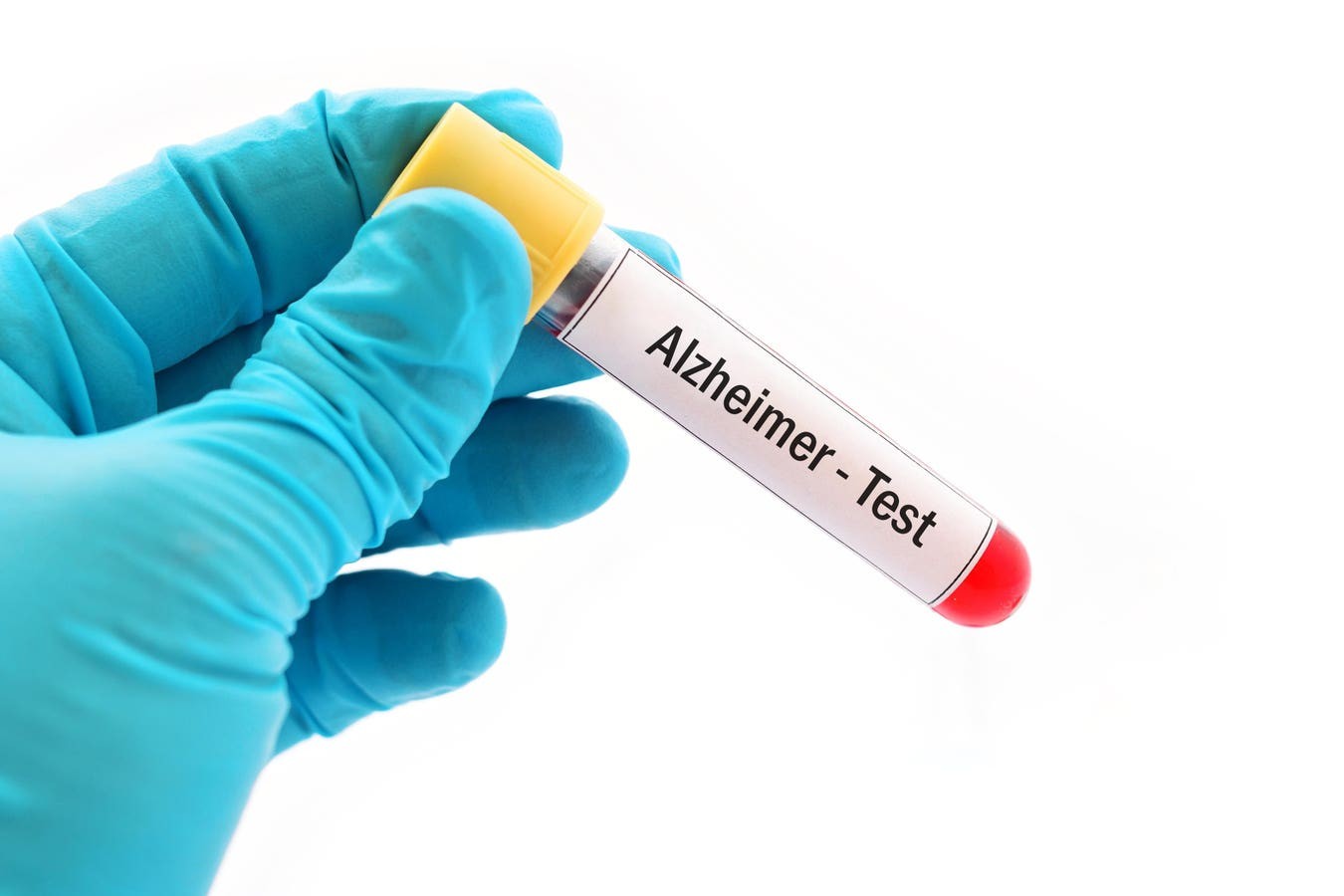
Early detection. It’s the promise. A simple blood draw finds the proteins long before you forget your own name. Promoters say it saves time. Saves lives even. But here’s the rub. You might find the disease in your blood and feel nothing wrong. Five years later, maybe ten, your memory holds strong. The test says risk. You see no symptoms.
Medical leaders are getting nervous. Not because the science is bad. Because the implications are heavy. They are warning physicians on how to talk about this. Especially the talk of a positive result. It isn’t just data. It’s fear wrapped in a lab coat.
What These Tests Actually Do
They look for markers. Specifically p-tau 217 and beta-amyloid. Material found in the brains of those with Alzheimer’s. If you have high levels, does it mean you have the disease? Not exactly. It means you are at a higher risk. A statistical probability that symptoms may show up later. Think of it like a high cholesterol test. High numbers suggest heart disease could come. It doesn’t mean a cardiac arrest is tomorrow. Or even next year.
Alzheimer’s prediction is murkier still. Some people have brains full of these proteins and never get dementia. Never change at all. Researchers fight over whether those people technically have Alzheimer’s or not. From a patient’s view? If you function fine, if your mind stays sharp, do you have the disease? The question lingers. The label sticks. But the reality might be absent.
These tests aren’t for everyone either. Only for those with mild cognitive impairment where a doctor suspects Alzheimer’s is the cause, not some other condition. They don’t rule out other forms of dementia. They are a specific lens. Not a wide-angle view of the future.
Risk, Not Certainty
A new study in JAMA Neurology by Rachel Buckley and others tracked 2,700 participants. No cognitive decline at the start. High tau levels found. Five years later. Roughly 38% showed impairment. That’s up from 12% in those with low levels. Older men with less education were at the highest risk.
Thirty-eight percent. It sounds like a majority. It is very high. But look at the other side. 62% did not develop impairment in that window. It’s far from guaranteed. Also, the study didn’t fully account for other medical conditions or distinguish Alzheimer’s from other causes of cognitive loss. The variable list is long. The prediction remains fuzzy.
“The risk is that patients may turn biological information… into temporal certainty. Progression… varies widely… [factors] shape trajectories. The problem is collapsing ambiguity into catastrophic inevitability”
A Diagnosis Of Fear
This brings us to the darker side. A JAMA essay by Stanley Lyndon, Lauren Behl, and Juan Carlos Urizar tackles the ethics. What happens when a person with mild symptoms learns their brain looks like Alzheimer’s? Many don’t think about memory aids or legal wills first. They think about dying. Some ask about physician-assisted death immediately. Others consider suicide.
One cited study is stark. 20% of cognitively normal adults who had elevated amyloid-beta said they would seek physician-assisted death if they ever became cognitively impaired. They viewed the future not as a journey but as a burden. A burden they refused to bear. Is the knowledge worth this psychological weight? The test detects protein. It cannot detect suffering. It cannot predict who will handle the uncertainty with grace and who will break.
The Doctor’s Dilemma
Blood tests are getting cheaper. Less invasive than spinal taps or expensive PET scans. Soon they might just be part of your annual panel. Diet, exercise, new drugs that slightly delay progression. These factors increase demand for early testing. Who wants to wait for symptoms if they can intervene earlier?
But there’s an emotional cost. Lyndon’s group argues doctors must talk to patients before they even sign the consent form. Not after the blood is drawn. Explain the limits. The prognosis is uncertain. Even a positive result for Alzheimer’s proteins is not a crystal ball. The test adds anxiety. It risks depression. It doesn’t offer a clear timeline.
Doctors should discuss resources. Community support. Caregiving skills for families. Medicare will now even reimburse teaching these skills. Few doctors bother. That changes.
We have more tools for diagnosis now. Earlier than ever. But more certainty about biology means less certainty about fate. Anxiety rises. The burden of knowledge shifts to the patient and family. They must ask the hard questions. The doctors need better answers than “you’re at risk.” The future isn’t written in the blood yet. But the ink is wet.