LEMS messes with nerves. Signals don’t travel right. Muscles get lazy.
This includes the gut.
Living with Lambert-Eaton myasthenus syndrome (LEMS) means dealing with an autoimmune disorder that jams communication between nerves and muscles. Usually we talk about weak legs. We talk about fatigue. But the disease also hijacks automatic functions. Digestion. Sweating. Bladder control.
Constipation becomes more than a nuisance. It gets medical. Serious even.
Dr. Georgette Dib at Cleveland Clinic is blunt. Stop blaming your diet. This isn’t your fault. LEMS changes how your colon works. If you ignore it, things get worse.
Talk to your doctor. Now. Not later.
The Nerve Connection
Acetylcholine is the messenger. It tells muscles to move. In LEMS? Release falters.
The colon gets confused. It moves slow. Stool sits. Hardens. Becomes a rock.
Dr. Dib breaks down why this happens:
- The disease itself. Autonomic failure shows up as dry mouth or dizziness when you stand up.
- You’re just tired. Weakness leads to less walking. Less walking means slower bowels.
- Dehydration. Makes everything sticky and hard.
- Bad meds. Opioids. Iron supplements. Zofran. Some antidepressants.
- Hidden conditions. Low thyroid. Diabetes. Wrong calcium levels.
- Cancer. If your LEMS stems from small cell lung cancer, new severe constipation needs eyes on it. Fast.
Immunosuppressants usually aren’t the culprits. Check your meds first.
The Fiber Trap
Eat more fiber? Everyone says that.
Bad advice for LEMS constipation. Often.
Here’s the thing. LEMS causes slow-transit issues. The colon is lazy. Fiber adds bulk. If the conveyor belt isn’t moving? Piling on bulk is like throwing snowdrifts into a stalled traffic jam.
Bloating. Pressure. Pain.
Dr. Dib warns against drastic increases. Severe constipation can turn dangerous with too much fiber. Risk of blockage spikes.
Start small.
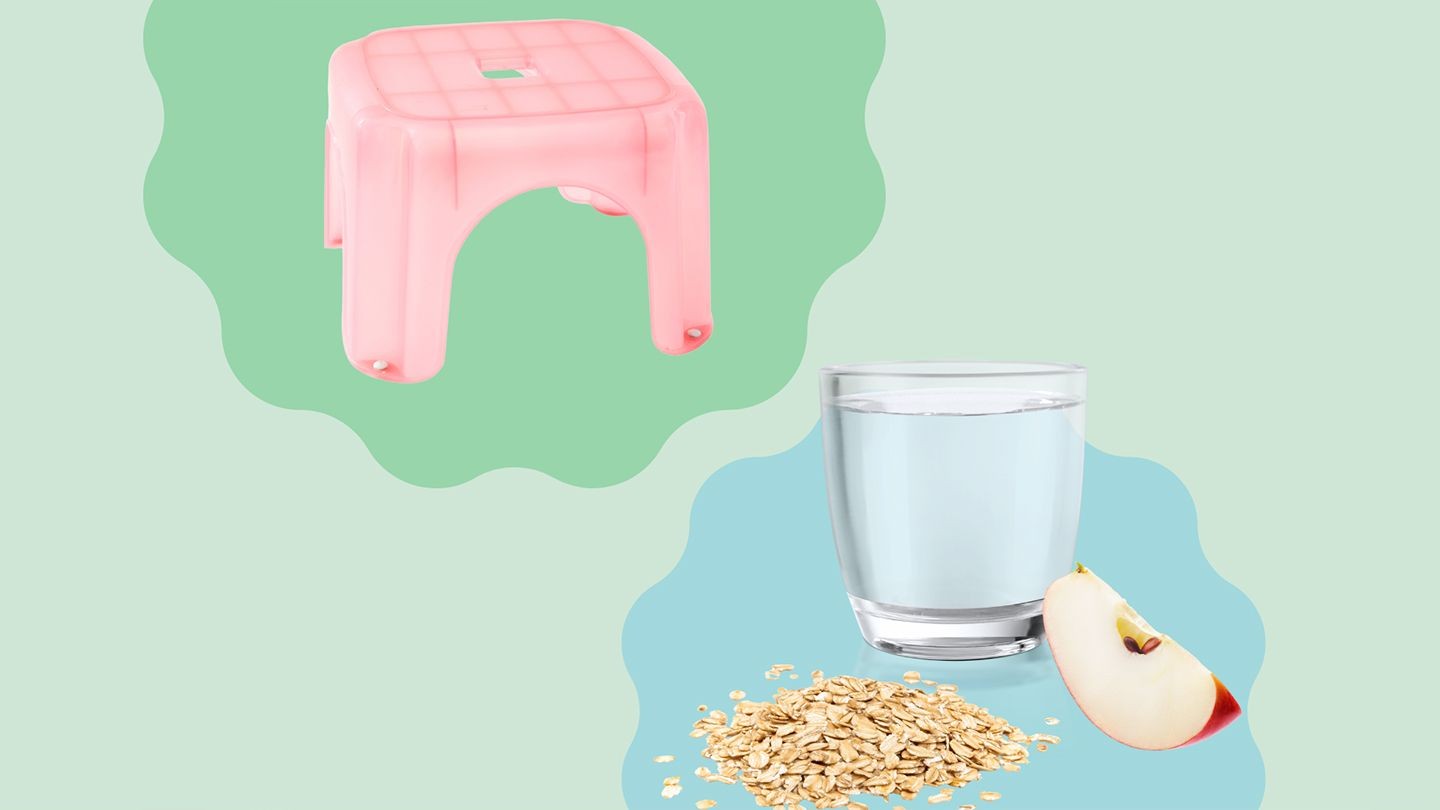
- Pick gentle foods. Oats. Beans. Apples. Berries. Whole-wheat pasta.
- Drink water. Constantly. Fiber without water is concrete.
- Supplements? Psyllium (Metamucil) is softer. Soluble fiber helps.
- Skip the harsh stuff. Wheat bran. Inulin. Chicory root. Gas town.
25 to 34 grams daily is the standard goal. Your goal might need to be lower. Listen to your stomach. If bloating worsens, stop adding fiber. See a gastroenterologist.
Move To Bowel
Prevention beats rescue. Dr. Dib’s rule.
Routine matters. A schedule prevents crisis management later.
“Sit on the toilet after eating.”
Sounds basic. The gut-brain connection is real. Food signals movement. Breakfast works best. 15 to 30 mins after eating. Just sit there. Wait for the signal.
Use a stool under your feet. Raise knees. Mimic a squat. Biomechanics help.
Go when the urge hits. Never wait. Waiting dries out the stool. Holding it in makes it harder.
Move your body. Even if you can barely walk. Assisted standing. Physical therapy. Anything beats total deconditioning. Stillness kills motility.
Try clockwise massage on your belly. Follows the colon path. Ask a therapist to show you first. Safety first.
Eat smaller bites. Drink sips. If swallowing is tough, make meals easy. Consistency builds habits.
Medication Mayhem
Treating LEMS helps the gut.
Amifampridine (Firdasse) boosts acetylcholine release. Pyridostigmine (Mestinone) keeps it active longer. Both drugs hit the nervous system. They help the colon contract.
Side effects exist. Nausea. Cramping. Diarrhea. Constipation is rare but possible with amifampridine. Pyridostigmine often improves autonomic motility.
Stick to the plan. Miss doses and symptoms return.
Laxatives: Use With Caution
Diet failed. Routine failed. LEMS meds aren’t enough?
Dr. Dib likes a ladder approach. Don’t jump to the top rung.
- Osmotic Laxatives. Polyethylene glycol (Miralax). Pulls water into stool. Softens it. Good first step.
- Warning: Stay hydrated. LEMS affects blood pressure and electrolytes. Dizziness risk is real. Monitor labs.
- Stool Softeners. Docusate. Helps with straining. Does nothing for slow motility.
- Strategy: Pair with something stronger. Softeners alone often fall short for LEMS patients.
- Stimulants. Senna. Bisacodyl. Makes colon contract.
- Caution: Rescue use only. Under medical supervision. Never use if stool might be blocked. Forcing a closed door breaks the house.
Call For Backup
Don’t wait until you’re in pain.
Call your doctor soon if:
- Usual tricks don’t work.
- Liquid stool leaks out. That’s overflow. Hard stool is stuck. Impaction.
- You see blood. Rectal bleeding isn’t normal.
- Weight drops for no reason.
- Iron levels plummet. Anemia appears.
- Bowel habits change drastically. Especially in older adults.
- Worsening symptoms come with nausea or confusion. Especially if small cell lung cancer is the cause of your LEMS.
Go to ER if:
- No stool. No gas. Abdomen is hard. Pain is severe.
- You are vomiting. Or vomiting looks like poop.
- Fever accompanies abdominal pain.
This isn’t just bad luck. It could be acute colonic pseudo-obstruction. A blockage. Serious danger.
We assume we control our bodies. With LEMS, we don’t. We have to negotiate.
Who’s really in charge when the signals fail? 🤔