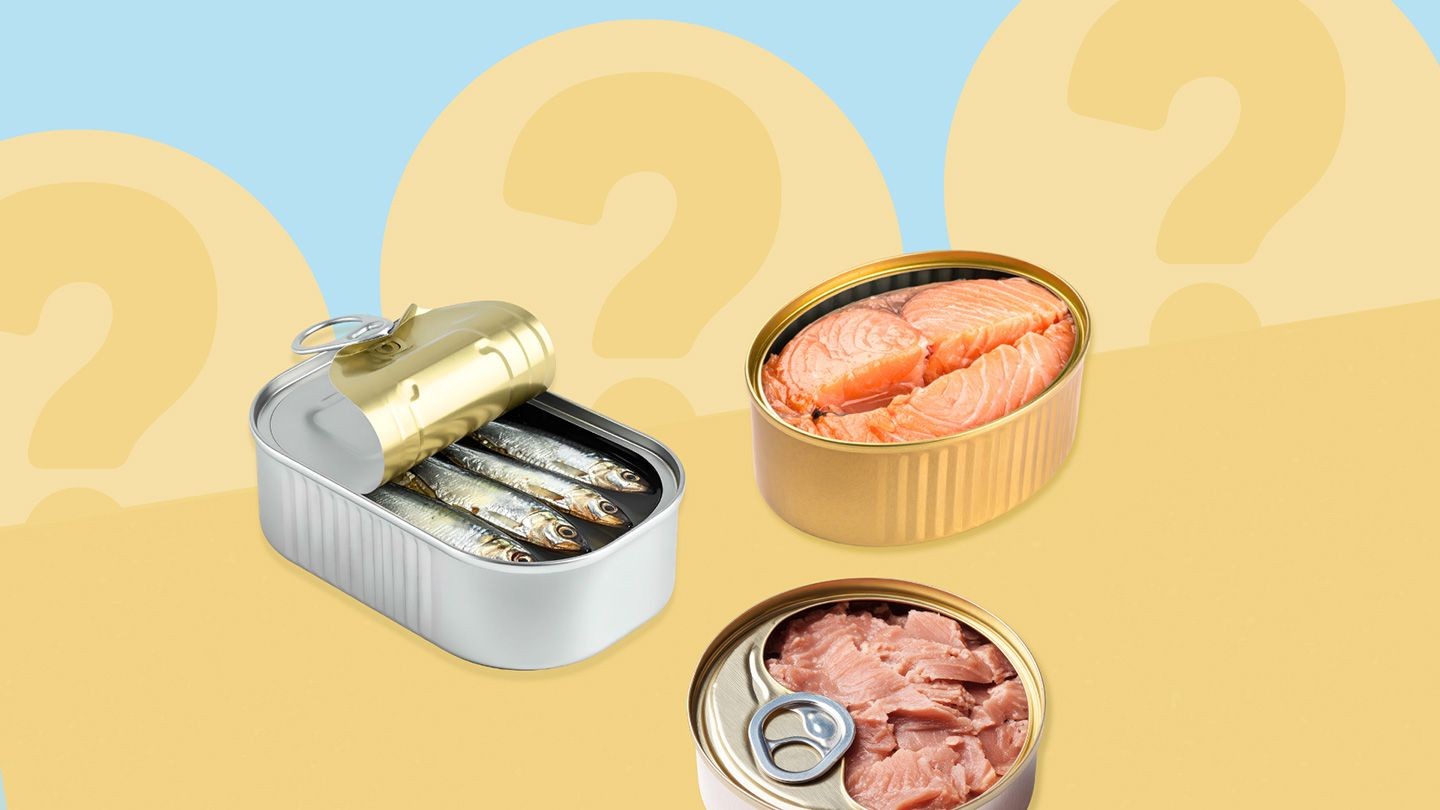
It sits on the shelf. Ignored. Shunned by the health-food crowd who demand fresh fillets glistening in glass displays. That’s a mistake.
Canned fish is cheap. It lasts. It’s protein.
But looking deeper, you’ll find heart-healthy fats and vitamins most of us are desperately short on.
Katie Whitson, a registered dietitian in Denver, doesn’t mind if you serve your weekly seafood quota straight from the tin. The American Heart Association wants two servings of fish a week? Go for it. A can is a perfectly valid vehicle. In fact, the metal lid might offer perks that fresh fish can’t.
Omega-3s Without the Hassle
Your body struggles to make omega-3s efficiently. You have to eat them. Specifically, EPA and DHA. The fatty acids that lower coronary risk? Keep blood pressure steady? They’re hiding in fish.
Use the acronym SMASH.
- Sardines
- Mackerel
- Anchovies
- Salmon
- Herring
Small fish. Oily. Low on the food chain.
They don’t hoard toxins the way the big predators do. They hoard good fats. Canned versions deliver these nutrients just as well as fresh catches, sometimes better. The canning process keeps the natural triglycerides and phosphilipids intact, which might make the omega-3s easier to absorb than popping a plastic capsule from a supplement bottle. Convenience meets biochemistry.
Bones and Sunshine
Here’s the plot twist.
Most people skip the bones. In canned sardines or bone-in salmon? Eat them. All of them.
The heat from the canning process turns those crunchy bits soft. Edible. Highly absorbable calcium.
“A serving of canned sardines can provide up to 440 mg of calcium.”
That’s roughly half of what most adults need in a single lunch. Alongside a solid dose of vitamin D. Michelle Routhenstein, a dietitian in New York, points out that few grocery items pack that much skeletal support so densely. We are all slightly deficient in calcium and vitamin D, often without knowing it.
The can fixes this. It unlocks nutrients locked inside the skeleton of the fish. Raw bones? Indigestible. Canned bones? Pure nutrition.
The Mercury Myth
Yes. Mercury is real. No, you probably won’t get poisoned eating one can of salmon.
Methylmercury accumulates in big, long-lived predators. Sharks. Swordfish. Large tuna. The big guys get the highest concentration.
The small SMASH fish? Low risk.
Albacore tuna is a bit trickier. They’re larger, so they hold more mercury than their “light” cousins. Stick to light tuna if you want to be safe. For pregnant people, parents feeding kids, or just the overly cautious, the FDA guidelines apply. Two to three servings a week for moms. Two for children.
Choose low-mercury species and the numbers stay well within safe limits. Moderation is the rule. Not avoidance.
The Verdict?
It’s efficient. It’s affordable. It saves space.
There is a weird stigma attached to things in tins, implying they’re less “pure.” Science suggests otherwise. The nutrients survive the heat. The calcium becomes accessible. The fats remain potent.
Maybe we need to look at the pantry differently. Next time you reach for the supplement bottle or the overpriced sushi, glance down at shelf three.
There is dinner waiting there.