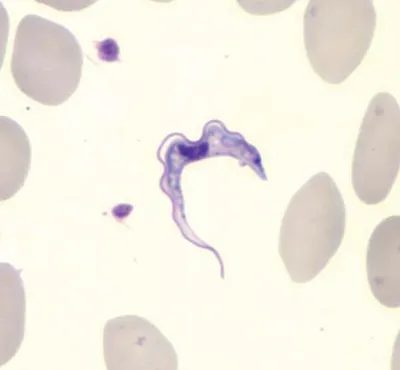
Sleeping sickness is not a mild inconvenience. It is a parasitic infection caused by Trypanosoma brucei, a flagellate protozoan. The disease has two distinct subspecies: T. brucei gambiense and T. brucei rhodesiense. Both are transmitted by the tsetse fly (genus Glossina ). The infection destroys the host through a brutal, two-stage progression.
The first stage is systemic. Fever hits hard. Headaches throb. Muscles and joints ache with a deep, persistent pain. Lymph nodes swell and become inflamed. This phase can be mistaken for the flu. But the second stage is where the true devastation lies. The parasites invade the central nervous system. The brain and spinal cord are compromised. Personality shifts. Sleep cycles collapse. Patients fall into a profound, unshakable lethargy. Without treatment, this stage is almost always fatal.
The timeline varies wildly depending on the strain. T. brucei rhodesiense, the East African variety, moves fast. It can reach the nervous system in just a few weeks. T. brucei gambiense, the West African type, plays the long game. It may take one to two years for the parasites to breach the blood-brain barrier.
Where the Disease Lives
Geography dictates the type of infection. T. brucei gambiense dominates a vast swath of Africa. It stretches from the west coast eastward to the East African lakes. It pushes south to the Congo River basin. This is where the chronic, slower-moving form thrives.
T. brucei rhodesiense stays in the highlands. It is confined to central eastern and southern Africa.
The numbers have shifted. Major epidemics ravaged the continent throughout the 20th century. Today, new cases have dropped significantly. In 2012, the World Health Organization launched a plan to eliminate sleeping sickness as a public health problem by 2020. The goal is close, though not entirely met. The decline is real. The threat remains.
The Vector: How the Fly Spreads It
Humans get infected through the bite of a tsetse fly. The fly sucks blood from an infected person or animal. The parasites enter the fly’s gut. They multiply by binary division in the midgut. This takes time. Usually, 12 to 15 days pass before the fly becomes infectious.
The parasites migrate. They move from the gut to the salivary glands. When the fly bites a human again, it injects droplets of saliva. The trypanosomes enter the bloodstream. The cycle restarts.
Diagnosis and Treatment Strategies
Early diagnosis is the only way to stop the progression. Once the disease hits the central nervous system, treatment becomes difficult, toxic, and less effective. Doctors diagnose the disease by examining blood and lymph. They look for trypanosomes under a microscope. They also test cerebrospinal fluid for elevated white blood cells. These results determine the stage. The stage determines the drug.
For early-stage East African sleeping sickness (T. brucei rhodesiense ), suramin is the standard. It works. But once the toxemia becomes fulminating, no treatment helps. The patient dies within months.
For the West African type (T. brucei gambiense ), the approach is different. Eflornithine is the primary drug for early stages. Pentamidine is an alternative. If the disease has progressed to the nervous system, eflornithine is still used. Melarsoprol, a highly toxic organoarsenic agent, serves as a second-line defense for East African cases. It is dangerous. It is a last resort.
Researchers are exploring combination therapies. The most effective regimen for West African sleeping sickness combines eflornithine with nifurtimox. Nifurtimox is traditionally used for Chagas disease. The synergy works better than either drug alone.
Why Cattle Still Suffer
Humans are not the only victims. Nagana is a form of sleeping sickness that targets cattle and horses. It is just as deadly for them. The disease persists in areas where tsetse flies are endemic. This presence blocks the development of cattle farming. Farmers cannot expand. Herds die. The economic impact is severe. It keeps entire regions of tropical Africa from utilizing their land for agriculture.
The human toll is measured in years. The T. brucei gambiense infection usually kills within two or three years. In some rare cases, the body develops a tolerance. The patient survives for years as a carrier. They harbor the parasites. They remain infectious to flies. They keep the cycle going.
The T. brucei rhodesiense infection is more acute. The patient dies faster. The toxemia overwhelms the system. There is no long-term carrier state. The body fails quickly.
Winterbottom’s sign remains a key clinical marker. It is the marked enlargement of lymph nodes at the back of the neck. It signals early infection. Delayed sensation to pain is another characteristic. Irregular fever rounds out the initial symptoms.
When the brain is involved, the symptoms shift. Severe headaches. Mental dullness. Apathy. The gait becomes weary and shuffling. Tremors appear. Paralysis sets in—either spastic or flaccid. Chorea, involuntary movements, occurs. Sleepiness strikes during meals. It hits when standing or walking. The patient cannot stay awake. Emaciation follows. Coma follows that. Death is the final outcome.
The decline in cases is encouraging. But the biological machinery of the parasite is efficient. The tsetse fly is a relentless vector. Nagana continues to stifle agricultural development. The elimination plan is ambitious. The work is unfinished. The parasites are still there. Waiting for the next bite.
The Drastic Drop in Cases
The map of sleeping sickness has changed dramatically over the last two decades. In the early 2000s, the Democratic Republic of the Congo (DRC) was the epicenter, accounting for roughly 70 percent of all cases. It was reporting about 1,000 new infections every single year.
Then things shifted.
By 2015, most African nations outside the DRC had fallen below 100 annual cases. Some hadn’t seen a single case in over ten years. The global total hit a historic low in 2020: just 663 reported infections. That is the lowest number since systematic tracking began in the mid-20th century.
How did they achieve this? It wasn’t luck. It was a relentless, coordinated effort.
Breaking the Transmission Cycle
The decline didn’t happen because the tsetse fly disappeared. The fly is still there. The strategy was about interrupting the link between the vector and the human host.
Health officials focused on two main fronts: treating the infected and blocking the bites.
Isolation and proper treatment became standard protocol. This included finding people who carried the parasite but showed no symptoms—chronic carriers. These silent hosts were critical to the spread, so screening entire communities in endemic areas became a routine, if exhausting, task.
Physical barriers worked too. Villages maintained wide clearings around homes and compounds. The logic was simple: tsetse flies need shade and humidity to survive. By keeping vegetation trimmed back, they created hostile zones for the insects.
Insecticides played a role as well. Whether sprayed on walls or used in targeted traps, they reduced the local fly population. Personal protection measures, like wearing long sleeves and using repellent, added another layer of defense for individuals living in high-risk zones.
The Role of Reservoirs and Prophylaxis
The battle isn’t just about humans. Wild animals act as reservoirs, storing the Trypanosoma parasites and keeping the cycle alive. In East Africa, authorities culled these wild animal reservoirs to starve the parasites. It helped reduce the overall parasite load, though it didn’t eradicate the disease.
Historically, there was also a chemical shield. In outbreaks of West African sleeping sickness, health workers administered prophylactic doses of pentamidine to entire village populations. This preventive measure helped halt epidemics in their tracks.
Neither the tsetse fly nor the disease was ever fully exterminated. The control efforts were intensive, expensive, and required sustained political will. But they proved one thing clearly: when you attack the disease from every angle—vector control, early detection, and community screening—the numbers drop.
The question now isn’t whether it can be controlled. It’s whether that control can be maintained without losing momentum.