Lionel Messi isn’t just the best player in the world right now. He is the best. The Argentine star has spent years running from one Barcelona title to the next, cementing his legacy. People call him the heir to Diego Maradona. They say his footwork is art. They point to his impossible records and the beautiful goals he scores every week. He has become everyone’s favorite.
It’s easy to forget where he started.
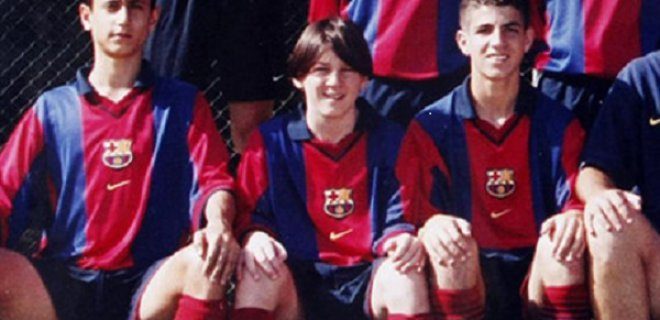
Doctors told his family he wouldn’t walk properly. He was a kid with a massive talent but a broken body. At just 11 years old, he needed help. He had a growth hormone deficiency. He needed treatment to keep playing the game he loved. He needed it to survive professionally.
Barcelona said yes.
The club took a risk on a scrawny Argentine boy. They opened their doors. They covered his medical costs. They gave him a chance to chase his dream. In return, Messi paid back that debt. He didn’t pay with cash. He paid with trophies. He lifted Barcelona to the number one spot in world football.
He turned a medical crisis into a dynasty.
The Discipline Behind the Legend: How Messi Reclaimed His Health
Despair didn’t let go of Lionel Messi easily. It clung to him, a shadow lingering long after the final whistle. But football did. By throwing himself back into the game, he didn’t just return to the pitch; he returned to life itself. The transformation wasn’t magic. It was a calculated merger of recovered health and raw talent. To keep his edge sharp and ensure he never slipped back into the slump that haunted him, Messi adopted a regimen that is as rigorous as it is personal.
He doesn’t cut corners. His training and diet protocols are non-negotiable rituals, executed with military precision to preserve his performance levels. For fans wondering how Messi maintains his elite fitness, the answer lies in the details of his daily routine. It’s not about working harder than everyone else; it’s about working smarter, with an obsessive attention to recovery and nutrition.
The Training Regimen: Precision Over Volume
Messi’s workouts are far removed from the high-intensity, sweat-drenched sessions typical of younger wingers. His approach is surgical. He focuses on maintaining muscle integrity and agility without adding unnecessary wear and tear to his joints.
- Low-Impact Conditioning: He relies heavily on swimming and cycling. These activities build cardiovascular endurance and leg strength while sparing the knees and hips from the impact of running.
- Ball Mastery: Even in recovery mode, the ball is always with him. Short, controlled passes and dribbling drills keep his touch sharp and his brain engaged with the geometry of the game.
- Flexibility and Core: Yoga and pilates-inspired movements are staples. A strong core isn’t just for aesthetics; it’s the anchor for every turn, every pass, and every shot.
- Strategic Rest: His schedule includes mandatory rest days that are actually more important than training days. This isn’t laziness. It’s biological maintenance.
“Fitness is not just about being able to run. It’s about being able to think while you run.”
The Diet: Fueling the Machine
You cannot build a supercar on cheap fuel, and you can’t sustain a career like Messi’s on fast food and alcohol. His dietary changes were drastic and sustained.
- Elimination of Sugar and Processed Foods: The biggest shift was cutting out sugar entirely. No soda. No candy. No refined carbohydrates that spike insulin and cause inflammation.
- High Protein Intake: To repair muscle tissue after training, he consumes lean proteins like chicken, fish, and eggs. This supports muscle retention, which naturally declines with age.
- Hydration as Medicine: Water isn’t just a drink for him; it’s a performance enhancer. He stays hydrated to keep joints lubricated and muscles flexible.
- Alcohol Abstinence: The parties and late nights? Gone. Alcohol dehydrates the body, disrupts sleep, and slows recovery. By quitting, he gave his body the chance to heal faster than it ever had before.
Why This Matters for the Modern Fan
Understanding which diet and training program Messi follows reveals a deeper truth about modern sports longevity. It’s not just about natural talent anymore. It’s about the ancillary work—the invisible hours spent in the kitchen, on the bike, and in the recovery chamber.
Messi’s comeback wasn’t a
How Messi’s Secret Training Routine Powers His Magic
The world sees the dribbles that leave defenders grasping at air. They see the free-kicks curling into the top corner. What they don’t see is the grind. Lionel Messi isn’t just relying on raw talent. He is meticulously crafting his physical edge through specific off-field protocols. These aren’t generic gym routines. They are targeted exercises designed to enhance his explosive acceleration and balance.
The routine is broken down into three distinct components. Each one serves a unique purpose in keeping the Argentine legend at the peak of his powers.
The Core of the Routine
First, there is a focus on core stability. Without a solid center, those rapid changes of direction would be impossible. He works on maintaining balance while under pressure. This allows him to shield the ball with his body, using his frame to keep defenders at bay while waiting for the perfect moment to strike.
Next comes the emphasis on lower body strength. Specifically, the glutes and quadriceps. These muscles are the engine for his short bursts of speed. When he drops his shoulder and leaves a marker behind, it is often the result of thousands of reps strengthening these specific muscle groups. It isn’t about looking bulky. It is about generating force efficiently.
The final piece involves agility drills. Cone work. Ladder exercises. Movements that mimic the chaotic flow of a match. These drills train his feet to react faster than his mind can consciously process. It creates that fluidity fans describe as “magic.”
“Messi’s movements aren’t accidents. They are the product of repetitive, specialized training that prioritizes function over form.”
Why This Matters for Longevity
You might wonder why a player of his caliber still needs such structured physical prep. The answer lies in longevity. Football is brutal. The tackles are hard. The schedule is relentless. By isolating specific muscle groups and maintaining flexibility, Messi reduces the risk of injury. He stays on the pitch when others are sidelined.
This approach also helps in preserving his explosive power as he ages. Many players see their speed decline in their thirties. Messi has managed to keep it sharp. That is no small feat. It requires discipline that extends far beyond the ninety minutes of game time.
The result is a player who still looks as dangerous in the box as he did a decade ago. The stats back it up. The assists. The goals. The man-of-the-match awards. But the real story is in the details. In the sweat. In the unseen hours spent perfecting the craft.
It raises a question for aspiring athletes: how much of your game is untapped potential waiting for the right training method? Messi’s routine suggests that the gap between good and great is often bridged by specificity.
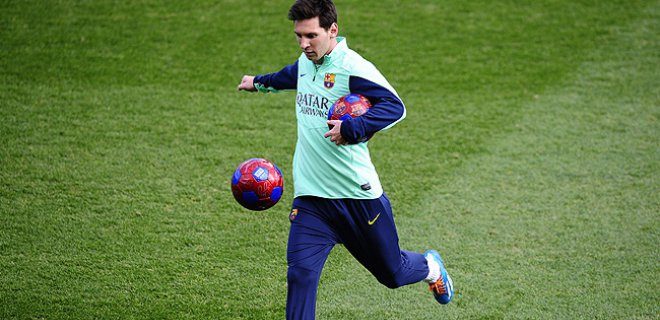
Yıllardır en üst seviyede oynayan bir forvet için vücudu korumak, gol atmaktan daha önemli bir iş olabilir. Messi’nin gün bazlı hazırlık protokolü bunu net bir şekilde gösteriyor. Her şeye geçmeden önce gövde ve bacakları açmak zorunda. Bunu yapmazsa, ani yön değiştirmelerde kasları gerer, bağları zorlar ve sakatlanma riski yükselir. İşte bu yüzden ısınma serisi hayati.
Önce germe hareketleri devreye giriyor. Hedef sadece esneklik kazanmak değil, dayanıklılığı da artırmak. Vücut ısındıktan sonra zıplamalara geçiliyor. Kısa, ani sıçramalarla bacaklardaki gücü test ediyor. Ardından engelleri aşmaya çalışıyor. Bu kısım denge ve koordinasyon için kilit nokta. Hemen ardından ip atlayarak kalp atışlarını ve kas dayanıklılığını zirveye çıkarıyor. Son olarak beş dakikalık sprintler yapıyor. Kısa mesafe koşuları sırasında ani yön değiştirmeleri doğru şekilde gerçekleştirerek hareket kabiliyetini artırıyor.
Programın detaylı içeriği ise oldukça spesifik:
- Ön gövde ve omuz güçlendirmesi için köprü hareketi (2 set, 4 tekrar)
- Diz açma ve germe hareketi (1 set, 4 tekrar)
- Arka baldır kasları için özel çalışma (1 set, 4 tekrar)
- Engelli atlama pratiği (1 set, 15 tekrar)
- Reaksiyon duvarı çalışması (2 set, 5 tekrar)
Bu rutin, sadece fiziksel bir egzersiz listesi değil. Bir sporcu kariyerinin uzunluğunu belirleyen bir sigorta poliçesi gibi işliyor. Kasları soğukken zorlamak yerine, önce ısıtmak, sonra yavaş yavaş intensiteyi artırmak. Bu yaklaşım, yaşlı bir oyuncunun genç rakiplerle aynı tempoyu yakalamasına mı yardım ediyor, yoksa sadece mevcut formunu mu koruyor? Cevap, o saha içindeki son doksan dakikalık performansta gizli.
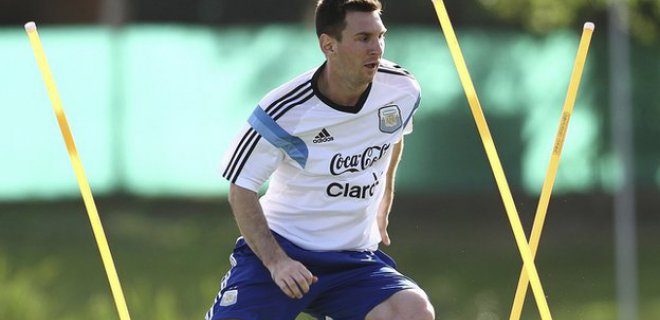
Lionel Messi’nin fiziksel gücünün arkasındaki gizli silah, sadece teknik değil, aynı zamanda patlayıcı hızını besleyen seri hareket egzersizleri. Arjantinli efsanevi forvet, sahadaki o eşsiz yer değiştirme yeteneğini ve uzun mesafelerde bile yorulmadan koşma kapasitesini bu spesifik antrenman rutinleriyle kazanmış durumda.
Bu programın temel mantığı, bacak kaslarının dinamik esnekliğini artırmak ve patlayıcı güçleri sürekli tetikte tutmak. Messi’nin futbol harikası sayılan sıçrayışları ve ani yön değiştirme yeteneği, bu rutinin doğrudan bir sonucu. Çalışmaların ardından gelen 10 dakikalık düz koşu ise, kaslara giden kan akışını düzenleyerek toparlanmayı hızlandırıyor ve dayanıklılık seviyesini koruyor.
Patlayıcı Güç ve Dengeli Zıplama Çalışmaları
Programın omurgasını oluşturan egzersizler, her iki bacağı da eşit şekilde çalıştırarak asimetri riskini azaltıyor. İşte Messi’nin egzersiz programı nın ikinci aşamasında yer alan detaylar:
- Engelli Zıplama: 3 set, 5 tekrar. Bu hareket, alt vücut kaslarının maksimum güç çıkışını hedefler.
- Yana Zıplama (Sağ/Sol): 2 set, 4 tekrar. Yanal hareket kabiliyetini ve yan bacak kaslarını güçlendirir.
- Tek Ayak Üzerinde Zıplama (Sağ/Sol): 3 set, 5 tekrar. Denge yeteneğini ve tek taraflı güçlenmeyi artırır.
- Ayna Karşısında Seri Hareketler: Görsel geri bildirimle vücut kontrolünü ve refleksleri keskinleştirir.
- Bacak Çalıştırma (Koşu Benzeri Hareketler): 2 set, 5 tekrar. Kas dayanıklılığını destekler.
Bu rutinde kritik olan nokta, tekrar sayısının yüksek tutulmaması ve hareketlerin kalitesi üzerine odaklanılması. Her zıplama, bir sonraki maçtaki o kritik saniyede fark yaratacak kas hafızasını inşa ediyor.
“Güçlü bacaklarını ve seri hareketlerini bu egzersize borçlu olan Arjantinli yıldız, en uzun mesafeye sıçrayabilmek için seri sıçrama hareketleri gerçekleştiriyor.”
Programın sonunda yapılan 10 dakikalık düz koşu, bir dinlenme arası değil, kasların soğuması ve metabolizmanın yavaşça normale dönmesi için stratejik bir adımdır. Bu sayede Messi, sonraki antrenman günlerinde sakatlık riskini en aza indirerek performansını sürdürülebilir kılar.

Messi’s Secret Weapon: Why Yoga Keeps His Mind Sharp
Most fans see the magic in the final pass or the impossible dribble. They don’t see the mat.
Lionel Messi doesn’t just lift weights or sprint drills. He practices yoga.
Under the guidance of a professional instructor, the Argentine striker integrates yoga exercises into his routine with serious discipline. It isn’t a trend. It’s maintenance.
The goal? Mental clarity.
“He keeps his mind fresh at all times.”
For a player who spends ninety minutes under intense psychological pressure, stress management is part of the job description. Messi uses these sessions to disconnect from the noise. He wants to stay away from stress before he steps onto the pitch.
The result is a specific kind of balance.
He aims to enter the stadium with two things:
1. A strong body.
2. A rested brain.
When the pressure mounts in the final third, that mental stillness matters more than you might think. Can you make a precise decision when your mind is racing? Probably not.
Messi trains the calm just like he trains his feet.
How Lionel Messi Maintains His 70kg Weight: The Exact Diet Plan
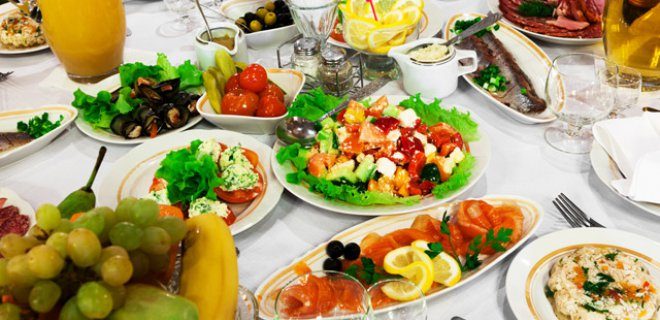
Lionel Messi is not just built for agility. He is built for longevity. Standing at a lean 70 kilos, the Argentine superstar has maintained this physique for years. The secret isn’t magic. It is discipline. A strict, customized diet regimen that prioritizes fuel over flavor. Here is how he structures his intake.
Morning Fuel
The day starts with hydration. Messi drinks 7 to 8 glasses of water. It is the foundation. Followed by a light meal. Egg whites provide the protein. Milk adds calcium. It is simple. Effective.
Midday Nutrition
Lunch is about inflammation control and steady energy. A vegetable soup takes center stage. It is packed with anti-inflammatory spices. Turmeric, peppers, cilantro, and ginger. This combination aids recovery. Alongside the soup, he eats boiled potatoes. Complex carbs. Steady release. A whole orange rounds out the meal for vitamin C.
Evening Recovery
Dinner is lighter. Green vegetables are the staple. Protein comes from white meat options. Fish. Shrimp. Chicken. He avoids heavy red meats. The goal is low fat. High quality.
Pre-Match Snack Strategy
Before stepping onto the pitch, timing matters. Messi eats seasonal fruits. He avoids high-sugar options. He chooses foods with fiber. Apples. Bananas. Mangoes. These provide a quick, clean energy boost without the crash.
“Messi’s diet is not about restriction. It is about precision.”
This approach keeps his body efficient. It allows him to play at an elite level deep into his career. Fans often ask which foods help endurance. The answer is often in the basics. Fiber-rich fruits. Anti-inflammatory spices. Lean protein.
The results speak for themselves. Consistent performance. Fewer injuries. A career that keeps extending. It works because it is sustainable. Not trendy. Just smart.