May 20, 2926
You know they are bad for you.
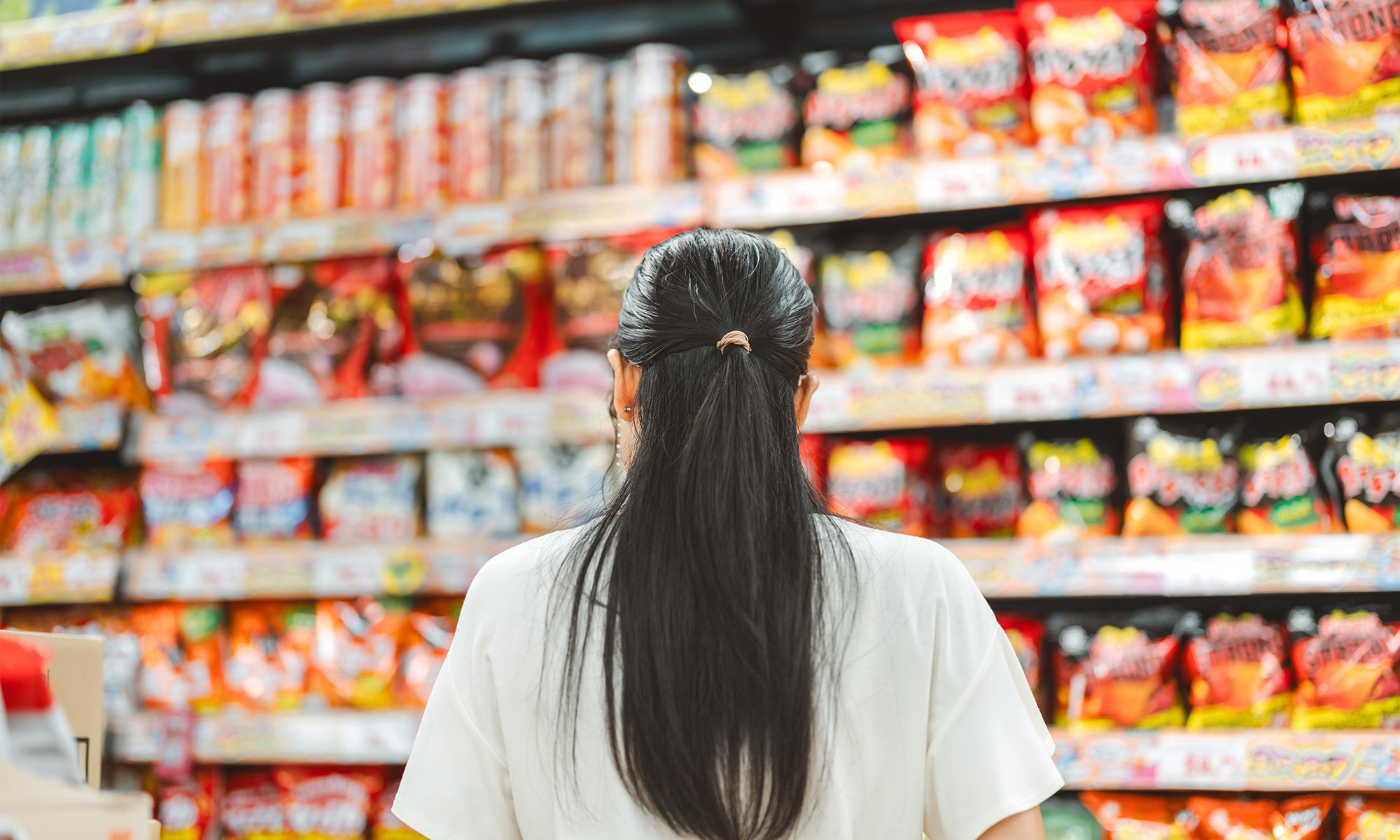
We all do. The packaged stuff loaded with sugar, weird additives, and things that probably don’t exist in nature. But standing in aisle 4? Confusing. Really confusing. One cracker brand might be fine while the one next to it is basically plastic. How do you tell the difference when you just want lunch.
The Food and Drug Administration has been sweating this for months.
A policy group called Healthy Eating Research just dropped a report trying to solve it. Recommendations only, obviously, not law, but it’s a solid attempt to tackle the definition that keeps linking processed junk to terrible health outcomes.
Here is how it works.
Borrowed From Brazil
The panel built their logic on the NOVA system, a framework from researchers in Brazil that splits everything into four buckets based on industrial touch.
NOVA 1: Whole or minimally touched food. Apples, eggs, raw meat.
NOVA 2: Cookery ingredients. Oil, butter, salt, sugar.
NOVA 3: Processed food. Canned veggies, simple cheese, cured meats.
NOVA 4: The bad guys. Soda, packaged snacks, reconstituted meats, instant noodles.
The focus is entirely on Category 4.
Industrial formulations. Little to no whole food left in them.
Look At The Ingredients, Not The Process
The panel realized consumers can’t see factory methods.
You can’t look at a loaf of bread and see the machinery it ran through. So they suggest an “ingredient marker” approach.
If it contains these specific markers, it counts as ultra-processed.
There are two main types of flags.
Cosmetic addtives. Things added only to make the product look, taste, or texture better.
– Artificial colors.
– Artificial flavors.
– Non-nutritive sweeteners like aspartame.
– Flavor enhancers like MSG.
Non-culinary stuff. Ingredients you simply wouldn’t find in your kitchen cabinet.
– Maltodextrin.
– Protein isolates like soy or whey protein isolates.
– High-fructose corn syrup.
– Hydrogenated oils.
One marker present means it’s ultra-processed in their eyes.
Simple.
Except…
The Exemption Loop-hole
They added nuance because some healthy foods technically hit the markers but aren’t poison.
The guidelines recommend exemptions for specific items that provide real nutrition.
Context matters.
Whole-grain bread might have a non-culinary ingredient but brings fiber and vitamins.
Fortified cereals help kids get essential minerals.
Certain yogurts offer benefits despite the processing markers.
This helps government programs like SNAP or WIC decide what to buy.
For you, it means a whole-grain baguette isn’t the same as cheese puffs, even if the label gets messy. A protein powder isn’t an energy drink just because both have additives.
Aisles Are For Scanning, Not Studying
You do not need a chemistry degree.
Walk into a grocery store and just look for the red flags.
Red 40. Yellow 5. Artificial flavor. Maltodextrin. If you see them, pause. Reevaluate.
Consider the whole label though.
A product with one weird word in an otherwise clean list is different from one where the first five items are industrial sludge.
Don’t aim for purity. Aim for clarity.
The goal isn’t to eliminate every processed food. It’s to make you aware when you’re eating the bad kind.
No Clean Break Yet
The FDA still needs to release an official definition.
Until then, this expert panel offers one lens to view the label. Look for the cosmetic additives. Look for the kitchen-impossible ingredients.
It helps, but it doesn’t fix the mess.
Maybe the real takeaway is just this.
Build your meals around actual food.
Protein. Fiber. Whole things.
Treat the rest as the occasional guest, not the host. 🍽️