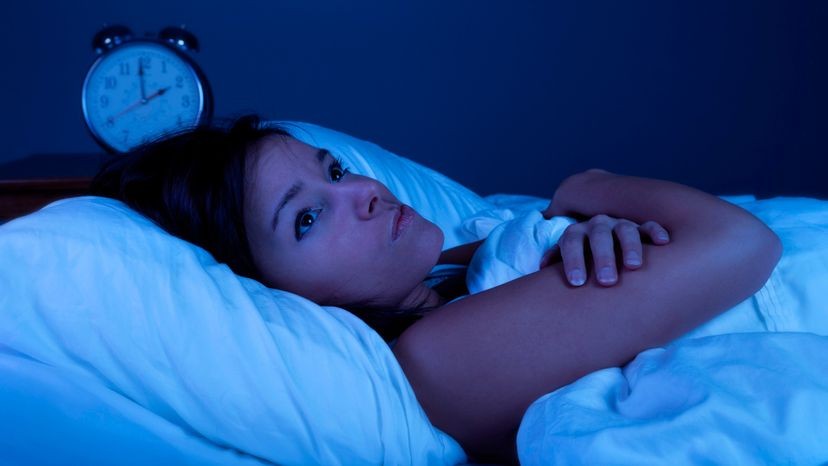
You crawl into bed. You are exhausted. Your eyes burn with the weight of the day. You expect to drift off in minutes.
Instead, you stare at the ceiling for an hour.
This is the quiet torture of insomnia. It takes many shapes. Maybe you fall asleep fast but wake up constantly. Maybe you wake at 4 a.m. and lie there until 7 a.m., tired but unable to close your eyes. You are not alone. Half of all Americans have dealt with this. Many deal with it regularly.
Insomnia isn’t just one thing. It’s a broad label for trouble falling asleep, staying asleep, or getting enough rest to feel refreshed. Usually, it is a symptom. It signals that something else is wrong. Physical issues. Emotional stress. Environmental noise. Researchers classify it by how long it lasts and how often it happens.
Transient insomnia hits for a night or two. Stress causes it. Intermittent insomnia pops up off and on over time. Anxiety drives it. Chronic insomnia sticks around. It happens on most nights. It lasts at least two weeks. Medical conditions often underlie it.
Temporary cases respond to stress reduction. A better sleep environment helps too. Chronic cases? You might need a doctor. Especially if a medical condition is keeping you awake.
One major culprit is heartburn.
The Link Between Acid Reflux and Sleeplessness
Heartburn is that burning, gnawing pain in the center of your chest. Despite the name, it has nothing to do with your heart. It happens when stomach acid backs up into the esophagus. That tube connects your mouth to your stomach. When it gets exposed to highly acidic stomach contents, you feel the burn.
Sometimes you don’t feel the burn. You might get a bitter taste in your mouth instead. Or intense coughing fits. Both are caused by the acid.
Reflux loves to happen when you lie down. Gravity isn’t helping move food into your small intestine in a horizontal position. Since we sleep horizontally, reflux is most common at night. Sleep apnea can also cause reflux. It creates a siphoning effect that pulls stomach contents up into the esophagus.
If you deal with this regularly, see your doctor. They might suggest lifestyle changes to stop the reflux and restore your sleep.
- Avoid alcohol.
- Skip heavily spiced foods.
- Cut out chocolate, peppermint, and coffee. These are common triggers.
- Control your weight.
- Manage stress levels.
- Do not eat heavy meals within three hours of bedtime.
- Do not lie down within an hour after eating.
Gravity can help. Elevate your head at night. You can place bricks under the bedposts at the head of the bed. Or use several pillows under your head and shoulders to raise your upper body. Be careful not to bend your neck too sharply.
An electronically adjustable bed is another option. It’s expensive. Similar to hospital beds. Some insurance plans cover it if a medical condition requires it. If sleep apnea is causing the reflux, that condition needs treatment first.
Another bodily function can also rob you of sleep. Frequent urination keeps people awake. We will look at that next.
You are drifting off. Peaceful. Then, that familiar pressure hits. Lower abdomen tightens. You realize you are awake again. Fourth time tonight.
Is this normal? Once. Sure. Too many evening drinks? Maybe. But two or more trips? That is a signal. Not just from your bladder. From your body.
This condition has a name. Nocturia. It is more than an inconvenience. It steals deep sleep. It leaves you groggy. But worse, it points to underlying issues. Ignoring it is a mistake.
Why Nocturia Is a Medical Flag
Nocturia is not just bad habits. It is often a symptom of serious conditions.
For men, an enlarged prostate is the usual suspect. This happens as men age. The gland presses on the urethra. You cannot empty the bladder fully. So you go back. And go back. An enlarged prostate can also warn of prostate cancer. Do not wait. Get it checked.
Women face different triggers. Urinary tract infections are common culprits. They irritate the bladder lining. You feel the urge constantly. Even if you have little to pass.
Diabetes is another major factor. High blood sugar pulls fluid from tissues. Your kidneys work overtime to flush it out. Result? Frequent urination. Day and night.
Sleep apnea might surprise you. Breathing pauses cause stress hormones to spike. Your body interprets this as fluid overload. It sends signals to the bladder. Stop the apnea. Stop the waking.
Alcohol and medication play roles too. Alcohol suppresses antidiuretic hormone. You produce more urine. Many prescriptions list nocturia as a side effect. Diuretics for blood pressure are obvious. But others can do it too.
If you need to get up, keep the lights low. Bright light resets your circadian rhythm. It tells your brain day has come. Use nightlights. Dim paths. Return to sleep faster.
Hormones: The Sleep Disruptors
Reproductive health ties directly into sleep quality. Men and women experience this differently. The biology is distinct. The result is often the same. Insomnia.
Menopause and Estrogen Drops
Estrogen and progesterone govern female sleep cycles. During perimenopause, these levels swing wildly. The balance breaks.
Hot flashes are the immediate enemy. They strike at night. You wake up drenched. Sweat cools. You are wide awake. Vaginal dryness and thinning bones add to the discomfort. But the hot flashes are the sleep killers.
Many women find relief through hormone replacement therapy. It stabilizes the hormones. Sleep patterns improve. Dietary changes help some. Natural remedies offer others. It requires trial and error. But the link between hormones and rest is undeniable.
Male Hormones and Testosterone
Men do not have an exact equivalent to menopause. But they do have changes. Testosterone production declines with age. Especially sharply in later years.
Low testosterone correlates with sleep disturbances. It is not as dramatic as female menopause. It is subtler. But still impactful. Men report more fatigue. More fragmented sleep. The hormonal shift is real. Do not dismiss it as just “getting older.”
Pregnancy: A Temporary Turbulence
Pregnancy disrupts sleep physically. It is temporary. But it feels endless.
The growing uterus presses on the bladder. You urinate constantly. Night and day.
The baby kicks. Hard. At 3 AM.
Nausea strikes. Heartburn burns. Hemorrhoids throb. Leg cramps seize your muscles. Restless legs syndrome keeps you moving. Finding a comfortable position becomes impossible in the third trimester.
Most of this ends at delivery. The physical relief is swift. But the sleep deprivation shifts form. Now it is the newborn. Nightly feedings. Crying. Diaper changes.
This is not a medical condition. It is a lifestyle shift. Frequent naps are the only cure. Enlist help. Partners. Family. Without support, burnout is inevitable.
Stress follows sleep loss. The cycle continues. But understanding the cause is the first step. Whether it is a prostate issue. A hormonal shift. Or a growing baby. The solution depends on the source.
You know where to look now.
The link between your headspace and your rest is messy. It’s not a straight line. For many, the relationship between daily stress and nightly mood shifts directly fuels insomnia. It’s a loop. You’re tired because you’re worried. You’re worried because you’re tired.
The Stress-Sleep Connection
Stress is a reaction. It hits from the outside—a boss demanding a report by morning. Or it blooms from the inside—a nagging pain or a new diagnosis. Sometimes it’s both.
People handle it differently. Younger folks might treat sleep as a bunker. They retreat into bed to escape emotional friction. Suddenly, they’re spending twelve hours or more unconscious. It’s an escape hatch.
For others, that same pressure keeps them wide-eyed.
Here’s the thing most people forget: stress isn’t always bad. Positive events trigger it too. A wedding. A graduation. A dream vacation. The anticipation spikes cortisol. It disrupts your rhythm. Usually, the insomnia fades once the party’s over and the hangover hits. Unless you’re still stressing about the credit card bill from that lavish weekend. Then the sleeplessness sticks around.
To break the cycle, you have to change your reaction to the trigger. You can’t always control the event. You can control the aftermath.
When Mood Disorders Disrupt Sleep
Depression and anxiety are heavyweights in the sleep disorder arena. They don’t just happen alongside sleep issues. They cause them.
It works both ways. Poor sleep can spark irritability. It can deepen anxiety. It can even shift your personality. You might wake up feeling like a stranger to yourself. When sleep disorders and mood disorders hit at the same time, it becomes a difficult cycle to break. You need to find the root of both, not just treat the symptom.
Take manic-depressive disorder. It’s an extreme form where sleep drops to four hours or less. But instead of sadness, the lack of rest creates a dangerous sense of euphoria. It’s not rest. It’s a chemical high fueled by exhaustion.
If you suspect a mood disorder is eating your sleep, don’t wait. If symptoms last more than three weeks, it’s time to call in pros. Start with your doctor. They’ll rule out physical causes first. Thyroid issues? Vitamin deficiencies? Let the medical check come before the therapy.
If your body is fine, you need a counselor. Your doctor can refer you to someone competent. Or ask friends who’ve been through it. Trusted sources matter.
Some people manage this with medication. But here’s the catch. As the next section will reveal, those same controlled substances can wreck your sleep too.
Understanding the possible connection between sleep disorders and mood disorders can help you get to the root of both problems.
Digging Deeper
If you want to untangle the rest of this web, look into how sleep actually functions. Or investigate natural sleep aids that don’t involve pills. Sometimes the question isn’t just how to fall asleep, but why science seems to be phasing out our need for it altogether.
Sleep problems rarely happen in isolation. Often, the culprit is something you’re actively putting into your body. This includes everything from prescribed drugs to widely consumed stimulants. These substances don’t just keep you awake; they fragment your sleep architecture, leaving you tired despite hours in bed.
Medication Side Effects
Your daily pill box might be the source of your exhaustion. Many controlled substances and common over-the-counter drugs list insomnia as a side effect. Steroids are notorious for this. So are chemotherapy agents and diuretics. If you are managing allergies, pain, asthma, heart conditions, or Parkinson’s disease, check your medication list.
Some drugs cause drowsiness. Others act as stimulants. Some do nothing alone but create chaos when combined with other medications. The interaction can be subtle. You might feel tired during the day but wired at night.
If you suspect a prescription or over-the-counter drug is cutting into your rest, talk to your pharmacist or doctor. Do not stop taking necessary medication on your own. The solution is usually timing or adjustment, not abandonment.
Caffeine Tolerance and Timing
Caffeine is the most widely used psychoactive substance in the world. It blocks adenosine, the brain chemical that makes you feel tired. For most people, one or two cups in the morning is harmless. Some individuals possess a genetic variant that metabolizes caffeine rapidly, allowing them to drink coffee late in the day with no sleep impact. They are rare.
For the rest of us, daytime coffee is a coping mechanism. If you need coffee just to function by noon, you are likely already sleep-deprived. Treating sleepiness with more caffeine creates a cycle. You drink to stay awake, but the caffeine disrupts the quality of your subsequent sleep.
High tolerance does not neutralize the sleep-disrupting effects. Your brain may not feel the jittery side effects, but your sleep remains lighter and less restorative. The body still experiences the wakefulness signal.
To protect your sleep, avoid caffeine for at least six hours before bedtime. Remember, caffeine is not just in coffee. It is in regular tea, soft drinks, chocolate, and many pain relievers. Check labels. The amount might be small, but it can be enough to derail sleep if you are sensitive.
Smoking and Nighttime Awakenings
Tobacco contains nicotine, a potent stimulant. Heavy smokers face a higher risk of insomnia than nonsmokers. It takes them longer to fall asleep. They wake up more often during the night.
Coughing is a major factor. Smoking irritates the airways, leading to nighttime coughing fits that break sleep continuity. Additionally, nicotine withdrawal begins quickly. If your last cigarette was hours ago, your body may signal for more nicotine around 2 a.m., waking you up in search of a fix.
Even light smokers, those smoking a pack or less daily, spend a larger percentage of the night awake. The effect is dose-dependent but exists at any level.
Quitting smoking can initially worsen sleep. Withdrawal symptoms include irritability and restlessness. Stick with it. A regular sleep schedule, diet, exercise, and stress reduction help mitigate these effects. Consult a doctor for support. The long-term sleep benefits of quitting far outweigh the temporary disruption.
Alcohol: The False Sleep Aid
Alcohol is often used as a sedative. Many people believe it helps them sleep better. It might help you fall asleep faster. That is where the benefit ends.
Alcohol fragments sleep later in the night. After the initial sedative effect wears off, the body experiences a rebound effect. This is often called withdrawal insomnia. The second half of the night becomes restless. Sleep becomes shallow and unrefreshing.
Using alcohol to sleep creates a dangerous cycle. As awakenings increase, people drink more to suppress them. This worsens sleep quality further. Over time, this pattern can lead to alcohol overuse or dependence.
Alcohol also affects breathing. It relaxes throat muscles, increasing snoring. In people with sleep apnea, alcohol causes breathing pauses to become longer and more frequent. This makes the condition more dangerous. Even for those without diagnosed apnea, breathing disturbances can occur.
“Alcohol may help you fall asleep more quickly, but the effects do not last beyond the first few hours of the night.”
The next logical step in understanding sleep is looking at internal biology. While substances like caffeine and alcohol are external disruptors, your circadian rhythm is an internal clock that governs sleep-wake cycles. Understanding this natural rhythm is key to fixing sleep issues without relying on drugs or stimulants.
For more guidance on improving sleep hygiene:
- How Sleep Works
- How to Fall Asleep
- Sleep Medications
- Natural Sleep Aids
- How to Help A Child Who Is Having Trouble Falling Asleep
- Is Lack of Sleep Making Me Fat?
- Is Science Phasing Out Sleep?
Why Your Body Clock Resists Change
Your internal pacemaker is stubborn. It lives in the brain, governing appetite and sleep cycles based on light and dark cues. The problem arises when your lifestyle clashes with this biological schedule. You force yourself awake while your brain demands rest. This mismatch creates secondary sleep disorders known as circadian rhythm disorders. Jet lag and night-shift work are the most common culprits.
Changing your bedtime doesn’t instantly reset your hunger or energy levels. Your body adjusts slowly. It requires consistency. If you shift your sleep schedule, sticking to the new times is non-negotiable for adaptation. The body also adapts more easily to delaying sleep than to advancing it. This asymmetry explains why traveling west to east feels harder than the reverse.
Treatment usually combines chronotherapy and light therapy. Chronotherapy means gradually shifting your bedtime earlier or later. Light therapy involves exposing yourself to bright sunlight to signal wakefulness. For example, if you need to rise early but your body wants to sleep late, move your bedtime back incrementally. Catch morning sun to reinforce the new cycle.
How to Beat Jet Lag Before You Fly
Traveling across time zones disrupts your sleep patterns. Tips abound, but the only reliable defense is pre-trip adjustment. You must alter your biological clock before departure. Determine if your destination is ahead or behind your current schedule.
Traveling from New York to London adds five hours. Flying to San Francisco subtracts three. The rule is simple: adjust your sleep-wake schedule several days in advance to match the number of time zones crossed.
If you fly east, go to bed earlier each night. Say your normal bedtime is midnight. With five days before the trip, shift your bedtime back by roughly one hour per day. By departure, you might be sleeping at 9:00 p.m. instead of midnight. You have already covered three of the five hours. The remaining two hours adjust quickly once you arrive.
Research indicates it takes slightly less than a day to adjust for every time zone crossed. Every hour of pre-adjustment helps.
For westward travel, go to bed later. Returning home reverses the process. East-to-west travel is generally easier than west-to-east for most people. This is why many seasoned travelers prefer the latter.
Managing Severe Time Zone Shifts
Crossing more than six time zones breaks the simple adjustment formula. You cannot shift your schedule gradually without making life miserable. In these cases, shift as many hours as practical before you leave. Upon arrival, immediately adopt the local schedule. Sleep at night. Stay active during the day.
You will likely experience jet lag symptoms for several days. You will still be better off than if you tried to adjust on the fly. Another critical step is getting adequate sleep before departure. Fatigue amplifies the disorientation.
Night-shift work creates similar havoc. It forces your body to fight its natural rhythm repeatedly.
“The body seems to adjust better if the bedtime is moved later rather than earlier.”
This biological preference shapes how we experience global travel. It also dictates why night-shift workers struggle to find rest. The clock does not care about your job title. It cares about light and consistency. Without both, the rhythm breaks. And when the rhythm breaks, sleep follows.
Bill’s life is a study in contradictions. He works the night shift at a plastics plant, clocking in at 11 p.m. and out at 7 a.m., five days a week. During his workdays, he tries to sleep until 3 p.m., but life keeps getting in the way. Distractions pile up. He ends up exhausted. Then come the weekends. He wants to be with his family, so he tries to sleep on a normal daytime schedule. It fails. His internal clock is stuck in a loop, never settling into a permanent rhythm.
Shift work is not what human bodies evolved for. We are wired for daylight and consistent routines. When you force your biology to work against its natural grain, the consequences are real. Sleep quality drops. Alertness during waking hours suffers. Accident rates climb. Work efficiency plummets. Stress at home ramps up.
There is no magic fix for night shift insomnia. But there are strategies that can mitigate the damage.
Practical Strategies for Night Shift Workers
The goal is to minimize the friction between your work schedule and your personal life.
- Prioritize family time: Choose a sleep schedule that leaves you some overlap with your partner and children. Protect this time.
- Stick to the schedule: Once you pick your sleep windows, keep them consistent. Even on days off. Your body needs predictability.
- Plan errands: If you sleep right after work, schedule banking or grocery runs for times that don’t interrupt that block. Use evening-hour services if available.
- Consolidate sleep: Aim for one long block of rest. Shorter naps later in the day can fragment your sleep cycle and make it harder to wake up.
- Control disturbances: Reduce noise from phones and doorbells. If you need to be reachable for emergencies, use a pager or a specific contact method that doesn’t involve ringing the bell.
- Block out the world: Use white noise machines and soft earplugs to mask daytime sounds.
- Eliminate light: Sunlight is the enemy of night-shift sleep. Use blackout curtains or an eye mask. Avoid daylight exposure during your sleep hours whenever possible.
- Use bright light therapy: Consider using a light box similar to those used for seasonal affective disorder (SAD) during your waking hours to help regulate your circadian rhythm.
These steps won’t cure the problem entirely, but they can ease the toll on you and your family.
For more targeted advice, consult a specialist. The next section explains who can help and how.
For more information on how to get a good night’s sleep, see:
- How Sleep Works
- How to Fall Asleep
- Sleep Medications
- Natural Sleep Aids
- How to Help A Child Who Is Having Trouble Falling Asleep
- Is Lack of Sleep Making Me Fat?
- Is Science Phasing Out Sleep?
When to Seek Professional Help
If insomnia persists, your first stop is your primary care doctor. They may refer you to a sleep specialist or a dedicated sleep clinic.
Before your first appointment, expect to fill out a sleep questionnaire and complete a sleep log. These documents provide a baseline. At the initial visit, the specialist will review this data and ask detailed questions. They are looking for physical, psychological, and social factors contributing to your sleep issues.
Diagnosing certain disorders, like narcolepsy, often requires more than just talk. The specialist might order tests. They may have you spend a night in a sleep lab. There, your sleep patterns are monitored scientifically.
Once a diagnosis is made, the specialist will discuss findings and potential treatments. They might handle the treatment themselves or share the information with your regular doctor. Collaborative care is often the best path forward.
Insomnia degrades quality of life. It erodes energy, mood, and focus. Knowing where to turn for help is a significant step. Use the information you have to identify potential causes. Then take action.
For more information on how to get a good night’s sleep, see:
- How Sleep Works
- How to Fall Asleep
- Sleep Medications
- Natural Sleep Aids
- How to Help A Child Who Is Having Trouble Falling Asleep
- Is Lack of Sleep Making Me Fat?
- Is Science Phasing Out Sleep?
ABOUT THE AUTHOR
Virgil D. Wooten, M.D., serves as the medical director of the TriHealth Sleep Centers at Good Samaritan and Bethesda North hospitals in Cincinnati. He holds a diploma from the American Board of Sleep Medicine and is a fellow of the American Academy of Sleep Medicine. With over 25 years of experience in research, clinical practice, and teaching, Dr. Wooten is a recognized consultant, writer, and speaker on sleep-related topics.