Long weekends at the track are a lifestyle. You know the drill. The whine of superchargers. The roar of nitro engines. The smell of burning rubber. If that sounds like heaven, you need to understand the National Hot Rod Association (NHRA).
Founded in 1951, it’s not just a club. It’s a powerhouse. In terms of attendance and sponsorship, it sits right behind NASCAR in American motorsports. Big names back it. Coca-Cola. Powerade. GMC. These aren’t small bets. They signal that NHRA is a serious leader in the game.
For newcomers, the world of drag racing can look chaotic. It isn’t. The NHRA provides structure. It teaches the basics. It offers schools. It breaks down what a typical racing weekend actually looks like.
This guide covers the history. The mission. The founder. And why membership matters now more than ever.
The Mission and Origins of the NHRA
The NHRA bills itself as the largest and loudest auto racing organization in the world. That’s a bold claim. But the numbers support it. Over 35,000 competitors participate in its sanctioned events.
The goal? Safety. Education. Promotion.
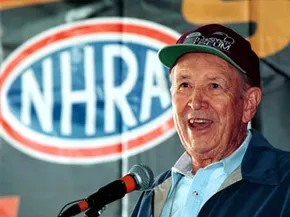
Wallace Gordon “Wally” Parks started it all. He was an International and National Motorsports Hall of Famer. His vision was simple but radical for the time. He wanted to get dragsters off the streets.
Street racing was dangerous. It was illegal. It was messy. Parks wanted legal race strips. He wanted rules. He wanted standards.
“The creation of the NHRA helped the sport gain a legitimacy that street racing could not.”
This shift from illegal street meets to sanctioned competition gave drag racing credibility. It attracted sponsors. It attracted fans. It created a sustainable ecosystem.
Today, the NHRA supports racers at every level. You don’t need a million-dollar car to start.
Here is how the series break down:
- NHRA Drags: Street-legal style racing. Think grudge matches. It is one of the most popular formats.
- Summit Racing Series: Local track action. Different vehicle classes compete against each other.
- NHRA Lucas Oil Drag Racing Series: National and divisional events. Eight distinct categories of competition.
- NHRA Full Throttle Series: The pros. Payouts total over $3 million. This is where the big money lives.
- Jr. Drag Racing League: For kids ages 8 to 17. They race half-scale dragsters. It’s controlled. It’s safe. It happens at member tracks nationwide.
The barrier to entry is low. Any person interested in hot rods or drag racing can join.
Open-Pit Policy and Fan Access
What makes NHRA events different from other auto shows?
Access.
The NHRA enforces an open-pit policy. This is huge for fans. You aren’t just watching from the stands. You can walk into the pits.
You can see pit crews rebuilding engines. You can watch mechanics work on cars. You can interact with drivers between rounds.
This behind-the-scenes access builds a community. It connects the fans to the machines. It makes the sport feel tangible. You aren’t just observing speed. You are witnessing the engineering.
How to Join the NHRA
Membership isn’t just for show. If you want to race, you must join. It’s a requirement for participation at any NHRA member track.
Members get perks. Winners receive prizes from official sponsors. But beyond the trophies, membership funds the ecosystem.
Your dues help provide a forum for racing enthusiasts. They support youth education services. The Jr. Dragsters benefit directly. The NHRA encourages kids to pursue goals and further their education through racing.
Joining is straightforward. The NHRA offers memberships in three categories:
- U.S. membership: Regular or first class.
- Canada/Mexico membership: Regular or first class.
- Overseas/Foreign membership: Regular or air mail.
Location doesn’t limit benefits. No matter where you live, you get the same access. You can even buy membership as a gift.
Terms are flexible. You can start with a six-month trial. Or commit to a three-year annual membership. The choice is yours.
Charity and Community Impact
Your membership does more than get you a sticker. Proceeds go to charity. The NHRA supports specific causes that align with its values.
Here are the key charities supported:
- Beat the Heat: Focuses on drag racing education and promoting safe communities.
- BRAKES: Stands for Be Responsible and Keep Everyone Safe.
- Darrel Gwynn Foundation: Supports research and care for spinal cord injuries.
- DRAW: The Drag Racing Association of Women.
- Racing for Cancer Research: Funding critical health initiatives.
This isn’t just about speed. It’s about responsibility.
Career Opportunities in Motorsports
The NHRA isn’t just a racing organization. It’s a career pipeline.
In 2008, at the 20th Annual NHRA Career and Opportunities Fair, over 3,000 high school students attended. They weren’t there to race. They were there to learn.
The goal was to show jobs and educational opportunities in the industry.
Wyotech, a leading automotive tech school, hosted an Engine Challenge. Participants had to dismantle a Chevy V-8 engine. Strict guidelines applied. They had to retrieve a hidden object.
This is skill-based. This is technical. This is where the industry meets the next generation.
Whether you want to be a driver, a mechanic, or an engineer, the NHRA ecosystem provides pathways.
The sport is loud. It’s fast. But it’s also structured. It’s safe. And it’s growing.
You can start at the local track. You can join the league. You can support the charities.
The engine is idling. What’s your next move?
why joining the NHRA matters for serious fans
You get the same perks whether you sign up in January or December, living in California or Maine. It is flat. The benefits do not change based on location or timing. That consistency matters.
Start with the digital side. You get web-only audiocasts covering every single day of each NHRA Full Throttle Drag Racing Series event. You miss nothing. The online version of National Dragster magazine gives you pre-print previews. Pro coverage hits the digital feeds before the print copies ever hit mailboxes.
You also get a free, personalized NHRA page. Customize it. Show only the news you care about. Ignore the rest. The archives offer free downloads of vintage and current dragster photos. Old school meets new school. You can find track and event locators by zip code or mileage radius. No guessing games.
Then there is the travel angle. Members-only discounts on car rentals and hotels cut into your budget in a good way.
the physical perks of membership
The physical stuff is where the fan experience gets tangible. You receive 48 issues of National Dragster magazine. That is a year of reading. You also get a membership card, a decal, and yearly collector pins. Collect them. Wear them. Show where you stand.
The up-to-date NHRA Rulebook is included. The Fan Guide helps you navigate the chaos of race day.
Admission discounts at Full Throttle Series events add up. You are not just buying a ticket. You are buying a better price on the ticket. Membership kits come with gifts from the NHRA and its sponsors. It is free gear. Take it.
Official merchandise carries discounts too. And at select locations, you get access to the NHRA Full Throttle Drag Racing Series Hospitality Center. Sit out of the sun. Watch the action in comfort.
insurance that actually covers you
Insurance usually sounds like a buzzkill. But this one matters. All members receive $485,000 in excess medical insurance coverage. It kicks in if you sustain accidental bodily injury while attending or participating in a covered drag racing event at NHRA member tracks.
This insurance becomes available after all other insurance plans are exhausted.
It is not first response. It is the backup. The heavy lifter. You go to your primary care first. Then this kicks in. It is a safety net woven into the fabric of the membership.
where to go from here
Want to dig deeper? Visit the NHRA website. Read National Dragster. The links in the source material point you toward charity work, history, and educational partnerships like Wyotech.
The NHRA is the world’s largest racing organization. It has a past. It has a present. It has a future. You can be part of it. Or you can just watch from the sidelines. The choice is yours. But the benefits? They are real. And they are waiting.