You know the drill. Ankles puff up. Rings feel like they are fused to your fingers. Feet swell inside shoes that suddenly fit wrong. If you have ever been pregnant, this visual is probably burned into your memory. But here is the twist most people miss. The swelling does not vanish the moment the baby takes its first breath. In fact, many women find themselves dealing with significant edema for up to a week after delivery.
It is not just a lingering inconvenience. It is a physiological reality. During pregnancy, your blood volume increases by roughly 50%. That extra fluid is designed to nourish the fetus and protect your heart. But the body does not eject all of that extra volume during birth. You still have the excess blood. You still have the hormonal shifts. You still have the mechanical pressure of a nine-month expansion.
Even if you avoided swelling entirely during the nine months, you might still end up puffy afterward. Why? Because the act of giving birth moves fluids around. Pushing sends blood and fluid toward the extremities. IV fluids add more volume. It is a lot for one body to process overnight.
The Mechanics of Postpartum Edema
To understand why your body holds onto water after birth, you have to look at what happens before and during delivery. It is not just about having too much fluid. It is about where that fluid sits and how it is regulated.
Hormonal Retention
Progesterone spikes during pregnancy. This hormone tells your body to retain sodium and water. It is a survival mechanism. The downside is that your tissues stay hydrated long after the baby arrives. It takes time for your hormonal baseline to reset.
Mechanical Pressure
The uterus expands. It presses down on the veins in your legs. Blood flow back to the heart slows down. Fluid leaks into the surrounding tissue. This is why swelling often bottoms out in the lower body. Even after birth, the vascular system is recovering from months of high pressure.
The Birth Process
Vaginal delivery is physical work. Pushing forces blood toward the head and hands. You might wake up with a swollen face. You might notice your fingers feel thick. This is normal. It is the result of hydrostatic pressure changes during labor.
Incision Sites
If you had a C-section, the incision site will swell. This is part of the healing process. The body sends fluid to the area to repair tissue. It can be painful. It can make bending or lifting the baby difficult. Same goes for an episiotomy or tearing. The perineum swells. Bruising follows. This adds a layer of localized pain to the general discomfort.
IV Fluids
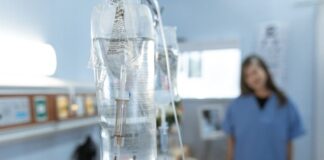
Most hospital births involve IVs. C-section patients get anesthesia and fluids. Vaginal birth patients often get Pitocin to help the uterus contract. Both require fluid administration. Your body is already holding onto water. Now there is more of it. It may take several days for your kidneys to process this extra load and for you to urinate it out.
Why Swelling Feels Worse Than It Is
Pain and tenderness can accompany postpartum swelling. The tightness of the skin. The pressure on nerves. The sensitivity of healing wounds. But for most, it is an inconvenience rather than a crisis. Shoes do not fit. Clothes feel tight. Movement feels sluggish.
It is easy to panic when your body looks different than it did a week ago. You might worry that something is wrong. In most cases, it is not. General swelling is expected. Rarely does the fluid leave the body instantly. The majority of postpartum swelling subsides within a week. Some residual puffiness may linger longer, especially in the legs.
The goal is not to eliminate all fluid immediately. The goal is to support your body as it resets. You have just performed a major biological feat. Give it time.
Managing Postpartum Swelling
You cannot stop the initial fluid surge. But you can help your body process it. Here are evidence-based ways to reduce postpartum swelling and ease discomfort.
Move Your Body
Sitting still allows fluid to pool. Gentle movement encourages circulation. Walk around the hospital room if you can. Later, short walks outside help. Your calf muscles act as a pump, pushing blood back up toward your heart. Avoid long periods of standing or sitting without moving.
Elevate Your Legs
Gravity is your enemy when it comes to leg swelling. Lie down with your legs propped up above the level of your heart. Do this for 15-20 minutes at a time. It helps drain fluid from the lower extremities. This is particularly helpful after a long day of standing or walking.
Reduce Sodium Intake
Salt holds water. Eating high-sodium foods will worsen swelling. Focus on whole foods. Fresh fruits and vegetables. Lean proteins. Avoid processed snacks. This does not mean no salt at all. Just moderation. Your body needs some sodium for electrolyte balance. But excess sodium prolongs retention.
Stay Hydrated
It sounds counterintuitive. You are swollen. You need more water. But drinking water helps your kidneys flush out excess sodium and waste products. Dehydration can actually cause the body to hold onto more fluid. Aim for clear or pale yellow urine. This is a good sign your kidneys are working efficiently.
Wear Compression Gear
Compression stockings can help. They apply gentle pressure to your legs. This prevents fluid from pooling in the tissues. Many hospitals provide them postpartum. You can also buy them at a pharmacy. Put them on in the morning before swelling worsens throughout the day.
Cool Compresses
For localized swelling, especially around incisions or the perineum, cold can help. Ice packs can reduce inflammation and numb pain. Use them for short periods. Always wrap ice in a cloth to protect your skin. Do not apply ice directly to bare skin or open wounds.
Monitor for Warning Signs
Most swelling is normal. But some swelling is a red flag. Watch for swelling in only one leg. This can be a sign of a blood clot. Watch for sudden, severe swelling in the face or hands. This can be a sign of preeclampsia, even postpartum. Watch for shortness of breath. This can indicate fluid in the lungs. If you experience any of these, seek medical attention immediately.
The Bottom Line
Postpartum swelling is common. It is uncomfortable. It is frustrating. But it is temporary. Your body has gone through a massive transformation. It is still in recovery mode.
Do not expect your pre-pregnancy body to return overnight. Do not expect the swelling to vanish in a day. It takes time. It takes patience. It takes a little bit of self-care.
You have a new baby to care for. You are recovering from birth. You are figuring out breastfeeding or formula. You are dealing with sleep deprivation. Adding stress about your appearance or your swelling only makes it harder.
Accept the puffiness as a temporary side effect. Treat it with kindness. Move gently. Eat well. Hydrate. Rest when you can.
The swelling will go away. Your body knows how to heal. It just needs a little help getting there. And so

Managing Postpartum Edema with Diet and Hydration
Dealing with swelling after pregnancy isn’t just about enduring discomfort. It’s about finding practical ways to manage your body while you navigate the chaos of new motherhood. Most women experience some edema, but you don’t have to just accept it. There are tangible steps you can take to help your body shed excess fluid faster.
Start with your plate. A clean diet matters more now than you might think. You need to flush out fluids, and what you eat directly impacts that process. Focus on protein. Load up on fresh fruits and vegetables. Complex carbs are your friend here too.
Skip the processed stuff. It’s loaded with sodium, which holds onto water like a sponge. It sounds counter-intuitive, but when you’re holding water, you need to drink more of it. Water signals your body to release the retention it’s been hoarding. Make it a habit to empty your bladder every four to six hours. Don’t let it build up.
Movement and Physical Relief Strategies
Movement helps. You don’t need a grueling workout. Moderate activity improves circulation. It helps you sweat out excess fluid. Even just chasing your baby around the house gets the heart pumping. If your doctor approves, add in some easy walking. Light exercise is a simple, effective tool.
For legs and ankles, elevation is key. Prop your feet up above heart level. Gravity does the rest, pulling fluid away from the lower body. Tight clothes? Take them off. Jewelry too. Restrictive items cut off blood flow and make swelling worse.
If your provider says yes, try a bath. The buoyancy of the water eases pressure. It’s a simple physical relief that many women find helpful for general ache and swelling.
Caring for Incision Sites
If you had a C-section or a tear, the swelling around incisions needs specific care. Ice packs work well here. Apply them to the perineum or C-section area to reduce inflammation.
Keep both sites clean as directed. Warm baths can soothe discomfort. But hold off on lotions or vitamin E until the area has actually started to heal. Putting products on open or fresh wounds can interfere with the natural healing process.
Recognizing Dangerous Signs
Some swelling is normal. Other types are red flags. You need to know the difference.
Swelling in only one leg is a major warning sign. It can indicate a deep vein thrombosis (DVT). This is a severe blood clot. Don’t ignore it. If one leg is swollen and painful, see a doctor immediately.
Watch your incision sites too. Sudden or severe swelling there could mean infection. Look for redness, discharge, or odor. If you see any of those, don’t wait. Call your provider.
“Swelling and pain in only one leg can indicate a severe blood clot known as deep vein thrombosis (DVT).”
Preeclampsia Risks Postpartum
Here is something many people miss. Preeclampsia doesn’t always end with delivery. It can occur up to four weeks after giving birth.
Watch for sudden, excessive swelling in the face or hands. This isn’t just “baby puffy face.” If your hands swell up quickly, or your face looks puffy out of nowhere, get checked. It’s a sign of high blood pressure issues.
Avoid over-the-counter vitamin supplements unless your doctor prescribes them. Some can increase the risk of preeclampsia during this postpartum window. Stick to what your provider recommends.
It’s a delicate time. Your body is resetting after a monumental event. Pay attention to the signals it sends. Most swelling fades with time and care. But when it doesn’t, or when it looks wrong, act. The window for intervention matters.