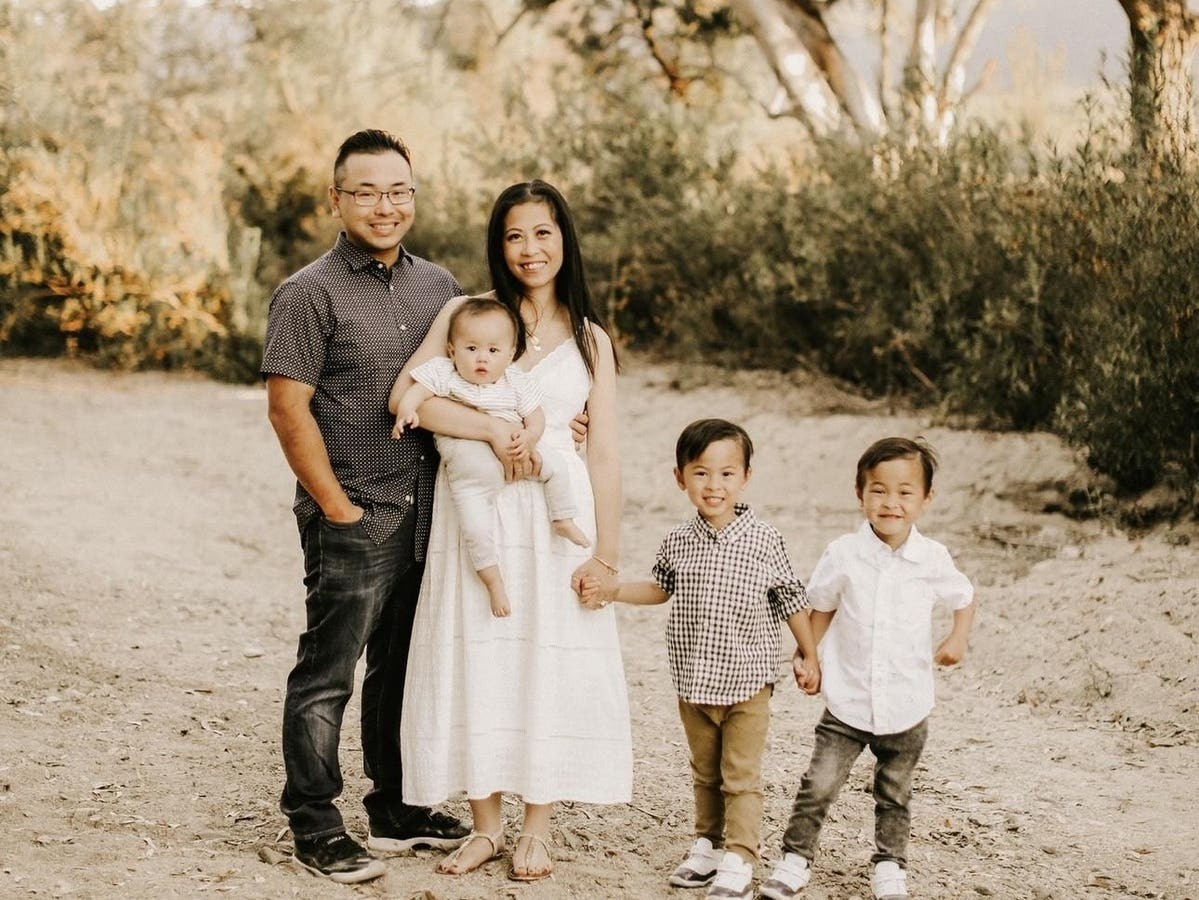
Steve Wong was forty-one. Athletic. Healthy. “He was the last person,” his widow Cici Nguyen-Wong said. “You’d think would get sick.”
Then came the acid reflux. In 2024 it turned into trouble swallowing. Eleven weeks later he was gone. Gastric cancer. Cici left to raise three boys. A chapter she never saw coming.
I’ve talked to dozens of cancer patients lately. Doctors. Writers. Friends. The pattern is terrifying. Young people are getting cancer. And they leave wreckage. It’s not just the diagnosis. It’s the marriage, the career, the kids left holding the bag.
Cici went from wife to caregiver to widow in a blur. She’s living the part after.
The invisible disease
Steve’s story tracks with too many patients. Vague belly pain. No one blinked. Specialists saw back issues. Imaging was clean. He didn’t fit the mold. Who expects a guy in his forties to have stomach cancer?
The average diagnosis happens at sixty-eight. Most patients are over sixty-five. This cancer gets zero press. It’s not glamorous. In the US only thirty-one thousand new cases a year hit the charts. One and a half percent of total cancers. Fewer people get it now than in the past thanks to refrigeration. We don’t eat salted meats anymore. And H. pylori infections are rarer.
Steve took meds at home until he broke. ER doctors found a large tumor. It was covering his esophagus.
“I knew almost instantly that he was going to die.”
She’s a logical person. She recognized the gravity. The oncologist said the mass couldn’t be removed.
He fought. Multiple complications. His will was steel. But eleven weeks is a short timeline.
Grief waits for the end
During those weeks Cici wasn’t scared. “I was busy.” Survival mode. Keep him comfortable. Physical needs. Emotional needs.
Caregivers often numb themselves. The operational demand leaves no room for shock. Studies show depression markers often drop after death. The crisis passes. For most things stabilize within a year. But for twenty percent it crashes back later. Persistent psychiatric symptoms. Complicated grief. Cici doesn’t know where she falls. She just knows the fear arrived too late.
“I’m scared now, when I had every right to be scared then.”
She has one piece of advice. Handle the money stuff early. Will. Finances. Get it sorted. Why? Because widowhood forces you to become the sole decision-maker overnight. Sixty-nine percent of widows in a Merrill Lynch survey said that shift is the hardest financial hit.
It’s catastrophic to sort through debt while you’re crying. Cici had her finances in order. It bought her peace.
“I could just focus on being sad.”
They talked. About dying. About what comes next. But the most important question wasn’t spiritual. It was practical. How should he raise their sons in his absence? She knew motherhood. She didn’t know his brand of fatherhood. His clarity on values was a gift.
Solo parenting the grieving
“Being a caretaker I had a purpose.”
The goal was clear: take care of Steve. Mechanics of death are brutal but defined. Afterward? No map.
Widowhood is disorienting. Like a limb gone. “It’s like I lost my right hand,” Cici says. The bed is cold. Parenting is solo. He was the forever person. Now there isn’t one.
Loneliness isn’t the worst part. The hardest part is managing three grieving boys while falling apart herself. She moved fast. Therapy for all of them. Routines locked down. She gives them space. If they feel sad? They be sad. No fixing.
“I don’t try to fix it.”
Her north star is simple. Keep them functioning.
Don’t say his name like it hurts
Cici didn’t do it alone. Friends rallied. A social media community stepped up. She says help isn’t grand gestures. It’s basic humanity.
Don’t minimize it. Keep saying Steve’s name. Talk about him as if he’s just on a trip.
“Don’t make me feel like I cannot talk about him.”
A 2025 study in Canada backs this. Widows don’t want distance. They integrate the lost partner. They move forward with the grief.
Two years on Cici shares this story so you listen to your body. Ask hard questions. Have the conversations you’ve been avoiding. Connect with people.
Grieving Steve isn’t just hers.
It belongs to everyone who knows him.