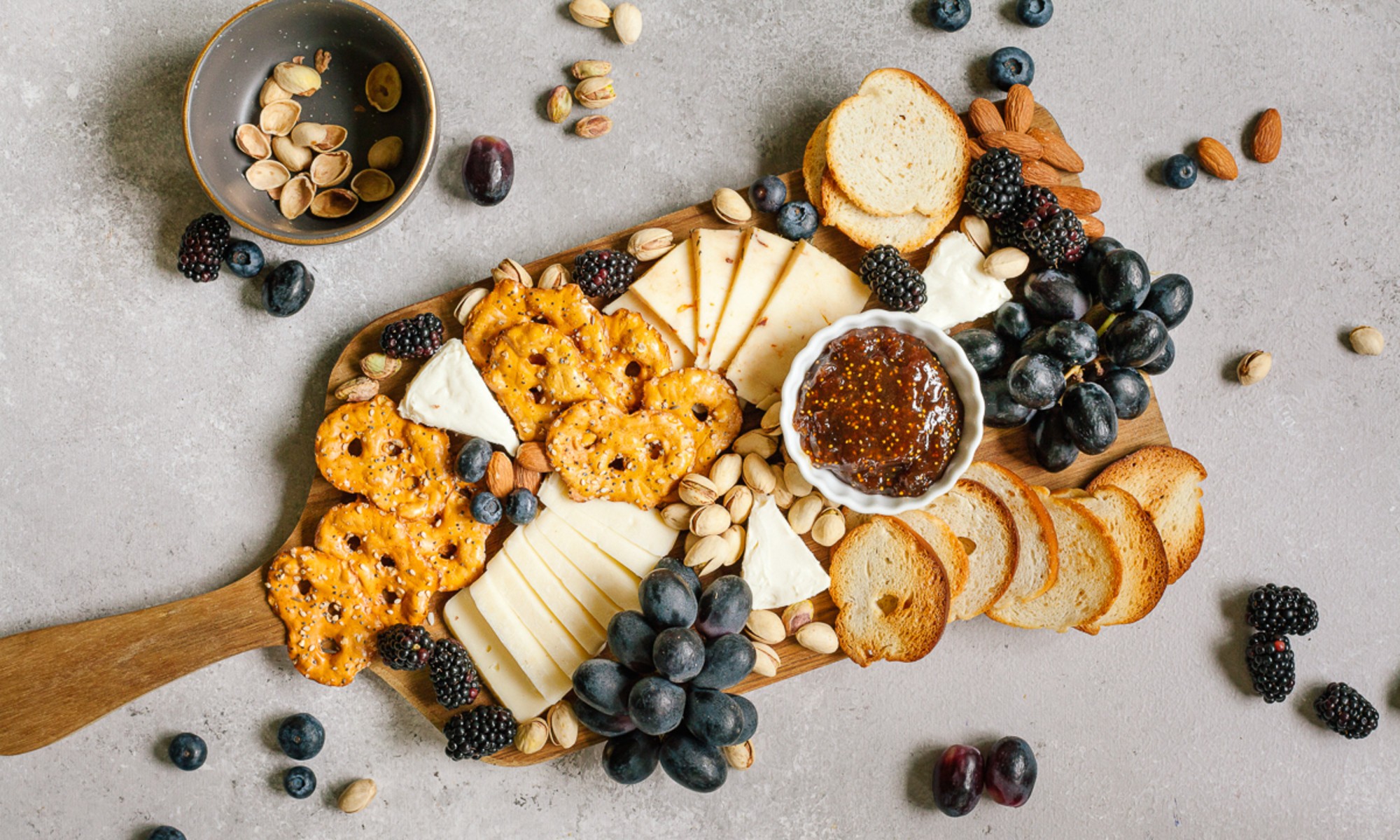
For decades, nutritional advice has leaned heavily toward reducing fat intake, often steering consumers toward skim milk and low-fat cheeses. However, emerging research is challenging this long-standing narrative, suggesting that high-fat dairy products may actually play a role in reducing the risk of dementia.
The Research Findings: Cheese and Cream vs. Dementia
A long-term study has identified a significant correlation between the consumption of high-fat dairy and a lower risk of cognitive decline. The data highlights two specific dairy categories that showed measurable benefits:
- High-Fat Cheese: Participants who consumed more than 50 grams of cheese per day (with a fat content exceeding 20%) saw a 13% lower risk of all-cause dementia and a 29% lower risk of vascular dementia compared to those consuming less than 15 grams.
- High-Fat Cream: Those who consumed more than 20 grams of cream daily (with over 30% fat content)—roughly 1.5 tablespoons—showed a 16% lower risk of all-cause dementia compared to those who consumed none.
Interestingly, the study found no correlation between dementia risk and the consumption of low-fat dairy products, such as low-fat milk, butter, or cheese. This suggests that the specific benefits observed may be tied to the fat content itself rather than dairy in general.
A Robust Study Design
This wasn’t a fleeting snapshot of dietary habits. The researchers utilized a massive, long-term dataset from Sweden, following participants from a baseline established between 1991 and 1996 through December 2020.
To ensure the accuracy of the dietary data, researchers employed a rigorous three-pronged approach:
1. 7-day food diaries
2. Detailed food frequency questionnaires
3. Baseline dietary interviews
Over a median follow-up period of 25 years, the study tracked 3,208 cases of dementia, providing a substantial foundation for these conclusions.
The Role of Genetics
The study also touched upon the complex relationship between diet and DNA. Researchers found that for individuals who do not carry the APOE ε4 gene variant —a well-known genetic risk factor for Alzheimer’s—high-fat cheese consumption was linked to a 13% lower risk of developing Alzheimer’s disease specifically.
This finding raises intriguing questions about how our genetic makeup dictates our nutritional response. It suggests that “personalized nutrition”—tailoring your diet to your specific genetic profile—may be the future of preventative brain health.
Important Context and Caveats
While these results are encouraging, it is vital to interpret them with scientific caution.
Critical Note: This is an observational study, which means it identifies associations rather than proving causation. We cannot yet say for certain that eating cheese directly prevents dementia; it is possible that people who eat high-fat dairy also engage in other lifestyle habits that protect the brain.
Furthermore, dietary choices should remain individualized. While high-fat dairy may benefit brain health, low-fat options may still be preferable for individuals focusing on specific weight management or body composition goals.
Beyond Dairy: A Holistic Approach to Brain Health
If you are looking to protect your cognitive function, dairy is only one piece of the puzzle. Experts recommend a multi-faceted approach to brain health, including:
- Dietary diversity: Incorporating omega-3 fatty acids (found in fish), antioxidants (from vegetables), and extra-virgin olive oil.
- Mental stimulation: Engaging in puzzles, reading, or learning new skills.
- Physical activity: Regular movement to improve cardiovascular health.
- Social connection: Maintaining meaningful relationships to foster a sense of purpose.
Conclusion
This research suggests that the “low-fat” era may be evolving, offering new evidence that high-quality, full-fat dairy could be a valuable component of a brain-healthy diet. However, it should be viewed as one part of a broader, holistic lifestyle aimed at long-term cognitive wellness.