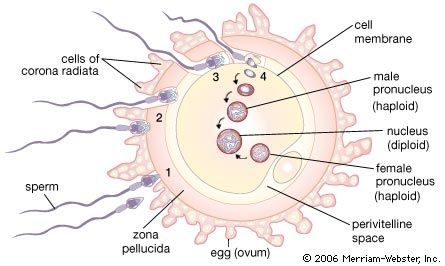
Fertilization is the exact moment a human life begins. It is not a slow, gentle process. It is a rapid biological event where a male sex cell, or sperm, fuses with a female sex cell, or egg. When this fusion happens, the genetic material from both parents merges to create a single cell called a zygote. That zygote then starts dividing to form an embryo.
How the race works
In humans, the journey to fertilization is a sprint through a specific path. After entering the vagina, sperm must travel through the uterus to reach a fallopian tube. This is where the action happens.
An egg usually releases from an ovary two or three days before fertilization occurs. By the time the sperm arrive, they are already waiting in the fallopian tube. They surround the egg in a cloud of cells.
Why only one sperm wins
You might wonder why the thousands of sperm don’t just crowd into the egg together. The answer lies in the cell membrane.
Once one sperm fuses with the egg cell membrane, the outer layer changes instantly. It becomes impenetrable to all other sperm. This mechanism ensures that the resulting zygote has the correct number of chromosomes: 23 from the mother and 23 from the father.
The merger of egg and sperm chromosomes is the defining step that turns two separate cells into one developing embryo.
Where this fits in the bigger picture
This specific process is distinct from other biological concepts like self-fertilization or cross-fertilization, which apply to different organisms. In humans, the process is strictly between two distinct gametes. Understanding this basic mechanism helps explain why timing is so critical in conception. The egg has a short window of viability, and the sperm must be in the right place, at the right time, to trigger that final fusion.