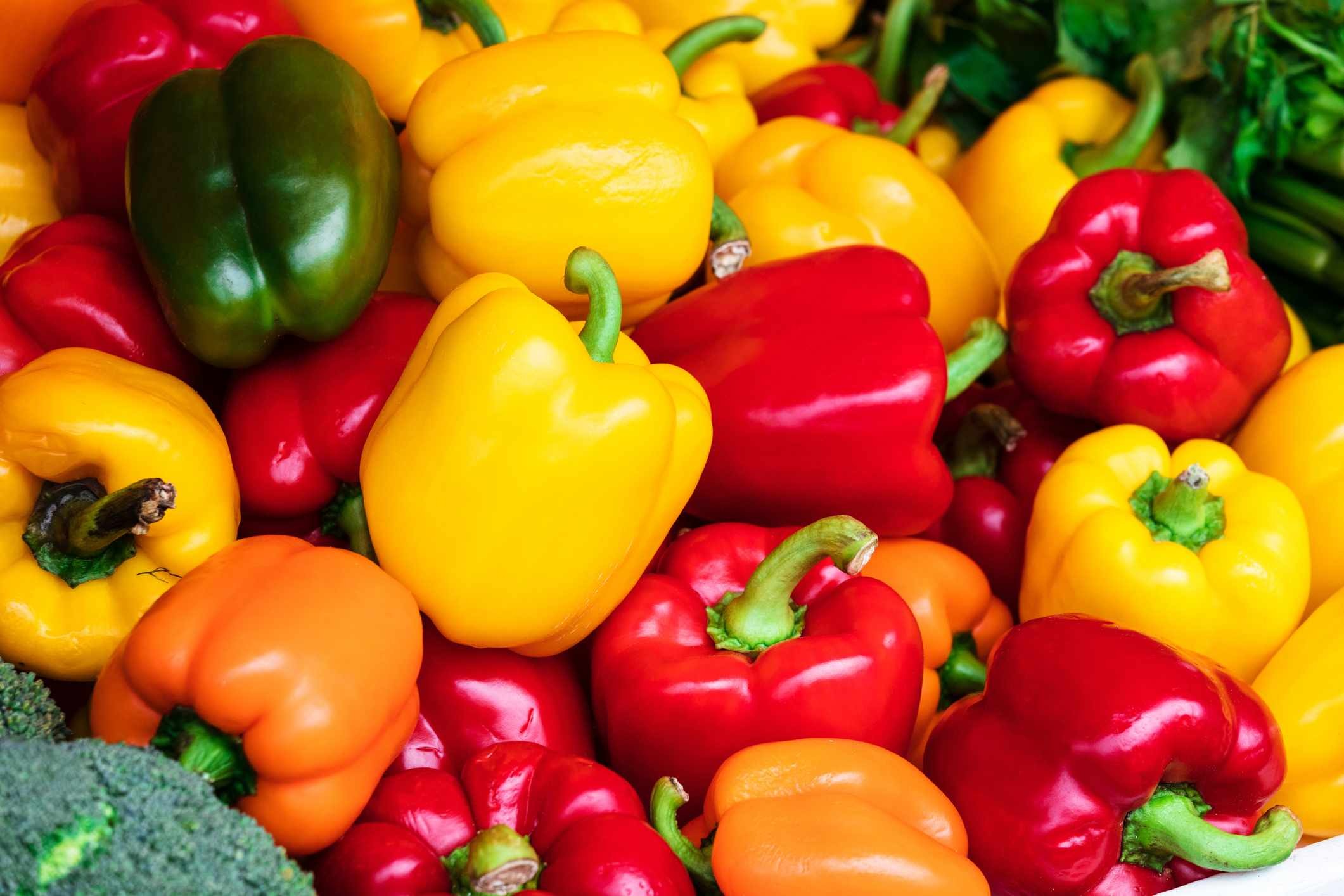
Bell peppers get all the press. And rightfully so. One cup of chopped red peppers hits you with 191 milligrams of vitamin c. That is roughly 212% of your daily value. It is a powerhouse.
But if you are looking to max out that immune-boosting nutrient, they are not the only option. In fact, several other fruits and vegetables pack more of the punch. You just have to know where to look.
Acerola Cherries
Vitamin C content: 1,650 mg (1,833% DV per 1 cup)
Also known as Barbados or West Indian cherries. These tiny fruits are concentrated doses of vitamin c. They taste sweet and tart. They also deliver flavonoids and anthocyanins—antioxidants that help protect cells.
The downside? They rot fast. Fresh acerola cherries are a rare find in most supermarkets. You will more often see them frozen, juiced, pureed, or powdered. Add the puree to yogurt. Blend them into smoothies. Just be aware that the clock starts ticking the moment you buy them fresh.
Rose Hips
Vitamin C content: 541 mg (601% DV per 1 cup)
These are the small, reddish-orange fruits left behind by the rose plant. Rich in fiber and polyphenols. Those polyphenols help lower inflammation. They also shield cells from oxidative stress.
Can you eat them raw? Yes. But you must remove the inner seeds and those annoying fine hairs. Raw is best for preserving the vitamin c. Heat and light break it down. Use them to make tea, jam, or syrup. Or dry them for a powder to sprinkle on food.
Guava
Vitamin C content: 376 mg (417% DV per 1 cup)
Guava offers nearly twice the vitamin c of that same cup of chopped red pepper. The flavor profile is sweet with a slight tart kick. The flesh ranges from white and yellow to pink and red.
It is also loaded with fiber, folate, potassium. Eat the fruit on its own. Toss chunks into a salad. Or blend it up for a smoothie. You cannot go wrong here.
Green Chili Peppers
Vitamin C content: 364 mg (404% DV per 1 cup, chopped)
These aren’t just for heat. They contain carotenoids and capsaicin. That is the compound that makes them spicy. It also provides significant vitamin c.
Would you eat a whole cup at once? Probably not. But even a smaller amount adds both nutrient density and flavor. Throw them into salsas, soups, stir-fries. Use them in eggs or tacos. Small bites make a big difference.
Black Currants
Vitamin C content: 203 mg (226% DV per 1 cup)
Slightly higher than red bell peppers. Black currants are small, tart, and deep purple. That color comes from anthocyanins. They also bring fiber to the table.
Finding them fresh can be a hunt. Check specialty grocery stores. Look online for frozen options. You can also find them as juice, jam, or dried fruits. Watch the labels on processed versions though. Added sugar can sneak in easily.
Mustard Spinach
Vitamin C content: 195 mg (217% DV per 1 cup, chopped)*
Note: While the source text lists 195mg, standard nutritional data for mustard spinach varies, but this article cites it as providing slightly more vitamin c than red bell pepper.
This leafy green has a mild, peppery bite. It is packed with fiber, folate, calcium, and potassium. Eat it raw in salads. Throw it into sandwiches. Or lightly cook it. It works well in soups and stir-fries. You might see it labeled as “tendergreen” or komatsuna. Look for it at Asian markets or farmers’ stands.
How Much Do You Actually Need?
Your body does not produce vitamin c on its own. You must get it from food or supplements.
Here is the baseline:
– Adult women: 75 mg daily
– Adult men: 90 mg daily
Pregnancy changes the math. You need 85 mg daily. Breastfeeding pushes it up to 120 mg. Smokers? You need an extra 35 mg per day to counteract oxidative stress.
Why does it matter? It supports immune function. It helps build collagen. It protects cells from damage. It also improves iron absorption from plant foods. That last part is key for vegetarians and vegans.
Getting enough comes down to variety. Don’t rely on just one source. Mix fresh fruits with leafy greens. Throw in a few chilies. Try a berry you haven’t used before.
Your body will thank you. Or at least, it will keep working correctly. That has to count for something.