


You take the shot. Then, the hunger just… goes away.
That isn’t a glitch. It’s the drug working. GLP-1 medications like semaglutide and tirzepatide slow your digestion. They trick your brain into thinking you’ve just eaten a feast, even if you’ve only had half a sandwich.
For Type 2 diabetes, this is a double-edged sword. Sure, smaller meals mean fewer blood sugar spikes. But they also mean you might miss out on the nutrients your body needs to keep your muscles intact and your heart healthy.
The wrong food choices now can trigger nausea or worsen digestive discomfort. The right ones? They help you lose fat without losing your health.
So, what exactly goes on the plate when your appetite disappears?
The GLP-1 Mechanism: Why Appetite Changes
Jennifer Nasser, PhD, RD, a nutrition expert at Drexel University, notes that these drugs act the same way regardless of why you’re taking them—weight loss or Type 2 diabetes management. They mimic natural hormones that regulate appetite and blood glucose.
The result? You feel full. You feel full faster. You feel full longer.
In the short term, this helps smooth out the jagged peaks and valleys of your blood sugar. Long term, the weight loss can improve insulin sensitivity. But here’s the catch: People with Type 2 diabetes often lose less weight on these drugs than those without the condition, says Silvana Obici, MD. The reasons are complex and not entirely clear.
Regardless of how much weight you drop, your dietary strategy needs to shift.
What to Eat While Taking a GLP Medication
The goal isn’t restriction. It’s density. Since you’re eating less, every bite needs to earn its place on your fork.
Prioritize foods that offer protein, fiber, and micronutrients without a massive caloric load. Your specific needs might vary, but the core principles remain the same.
Start by tracking what you eat for the first three months. You need data. You need to see how specific foods impact your glucose and how your body handles the medication.
Why Protein Is Non-Negotiable
Weight loss on GLP-1s is fast. Too fast, sometimes. And the body doesn’t distinguish well between fat and muscle when it’s stripping away weight. It takes both.
Shedding muscle mass lowers your metabolic rate. It makes future weight loss harder.
“It’s the single most important dietary priority,” Obici says.
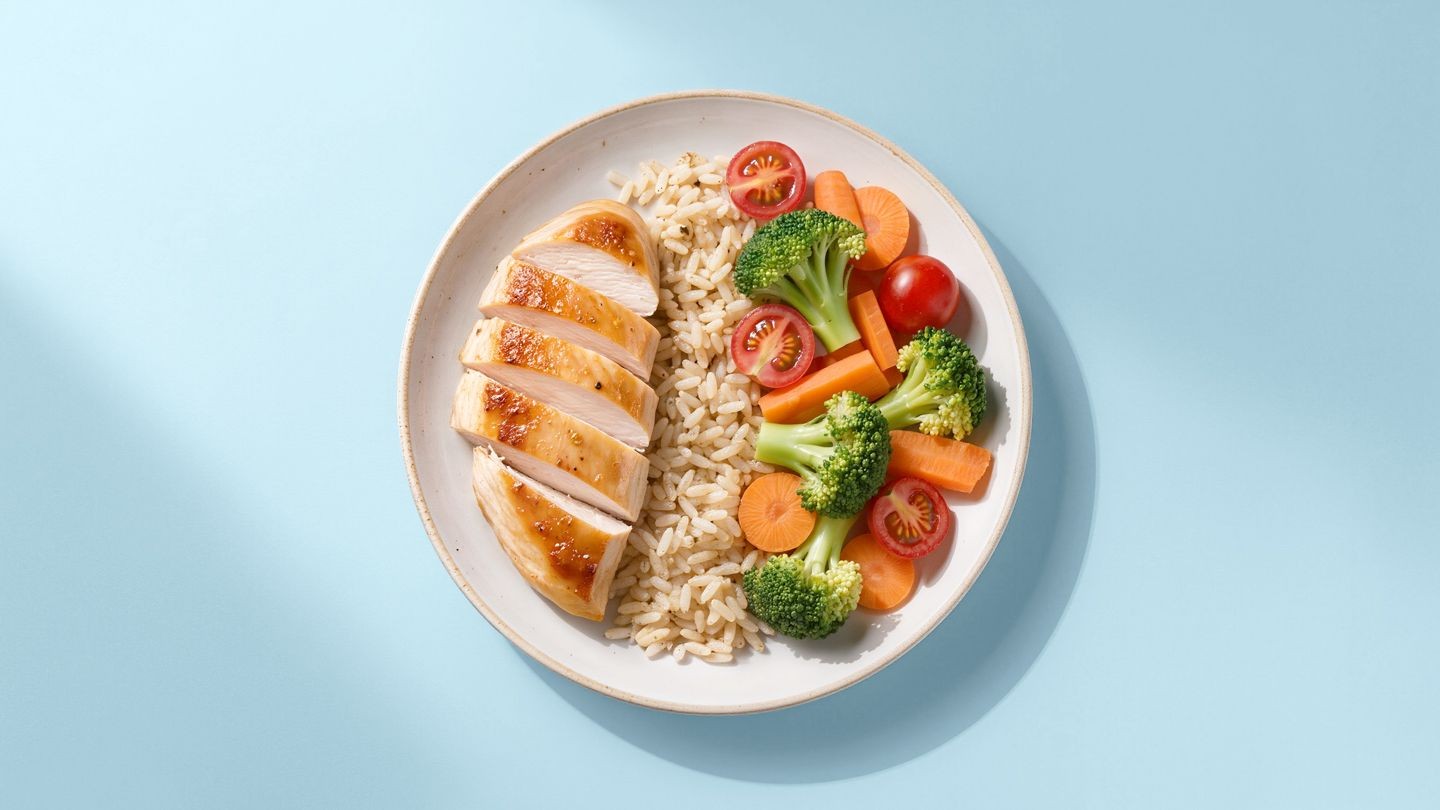
Getting 60 to 75 grams a day can feel impossible when chicken looks unappetizing. Don’t fight it. Force yourself to eat the protein first at every meal. If the hunger pangs are gone, start with the nutrient-dense part of the plate.
Choose plants. Beans. Lentils. Whole grains. Opt for seafood and eggs. Limit red and processed meats. This preserves lean mass while keeping inflammation down.
The Fiber Factor
Carbs get a bad rap. They don’t deserve it. Just pick the right ones.
Skip the simple sugars. Go for complex carbohydrates. Berries. Non-starchy vegetables. Whole fruits. These are digested slowly. They blunt the post-meal glucose spike that GLP-1s are already trying to manage.
But there’s another reason to load up on fiber.
GLP-1s slow your gut. Constipation is a common side effect. Fiber acts as a buffer, keeping things moving. It also packs fiber, water, and micronutrients into very few calories. Perfect for a restricted diet.
Meal Timing and Pairing
It’s not just what you eat. It’s the order.
Research suggests a simple hack: eat protein and fiber before the simple carbohydrates.
This order slows digestion. It moderates glucose absorption. It prevents that sudden rush of sugar into your bloodstream.
Nasser suggests pairing carbs with protein or healthy fats. Rice with beans. Cottage cheese with fruit. These combinations improve satiety and stabilize blood sugar longer.
Don’t just graze on carbs. Anchor them with protein or fat.
Don’t Fear Fat—But Watch the Dose
You need some fat. Unsaturated fats like olive oil, avocado, nuts, and seeds help your body absorb vitamins A, D, E, and K
GLP-1s reduce overall food intake. That reduction can lead to deficiencies in fat-soluble vitamins.
Keep the dose small. They are calorically dense. But they are necessary for nutrient absorption.
Dairy is also key. Yogurt. Milk. Cheese. They provide calcium and vitamin D, both of which are at risk when you’re eating significantly less food overall.
Staying on Track When Side Effects Hit
Nausea. Bloating. The “food fear.” These are real hurdles. How do you maintain a healthy diet when your stomach is revolting?
Track everything.
Write it down. Time, meal, reaction. Look for patterns. Does dairy trigger nausea? Does high fat make you sluggish? Use the journal to adjust, not just record. And remember: if your appetite returns, the drug might not be working as hard on your glucose control anymore. That’s a signal, not a failure.
Move in bursts.
You don’t need an hour at the gym. Nasser notes that physical activity works in three 10-minute bouts. Move. Walk. Stretch. It helps blood glucose sensitivity independently of diet.
Allow imperfection.
Obici warns against rigid restrictions. They backfire. Rigid diets lead to bingeing. Allow yourself an occasional treat. If your overall diet is healthy, a slice of cake won’t ruin your progress. Long-term adherence beats short-term perfection every time.
Get professional support.
Ask for a referral to a registered dietitian or exercise physiologist. GLP-1 therapy is a medical intervention. You shouldn’t navigate the nutritional side effects alone.
The Bottom Line
GLP-1s change your relationship with food. They remove the noise of hunger, leaving you to make choices based on need rather than craving.
That’s a powerful advantage. But it requires discipline. Focus on protein. Load up on fiber. Pair carbs with fat. Keep moving.
The goal isn’t just to lose weight. It’s to stay healthy while doing it.
And honestly? If you’re eating less but eating better, the weight usually follows.


