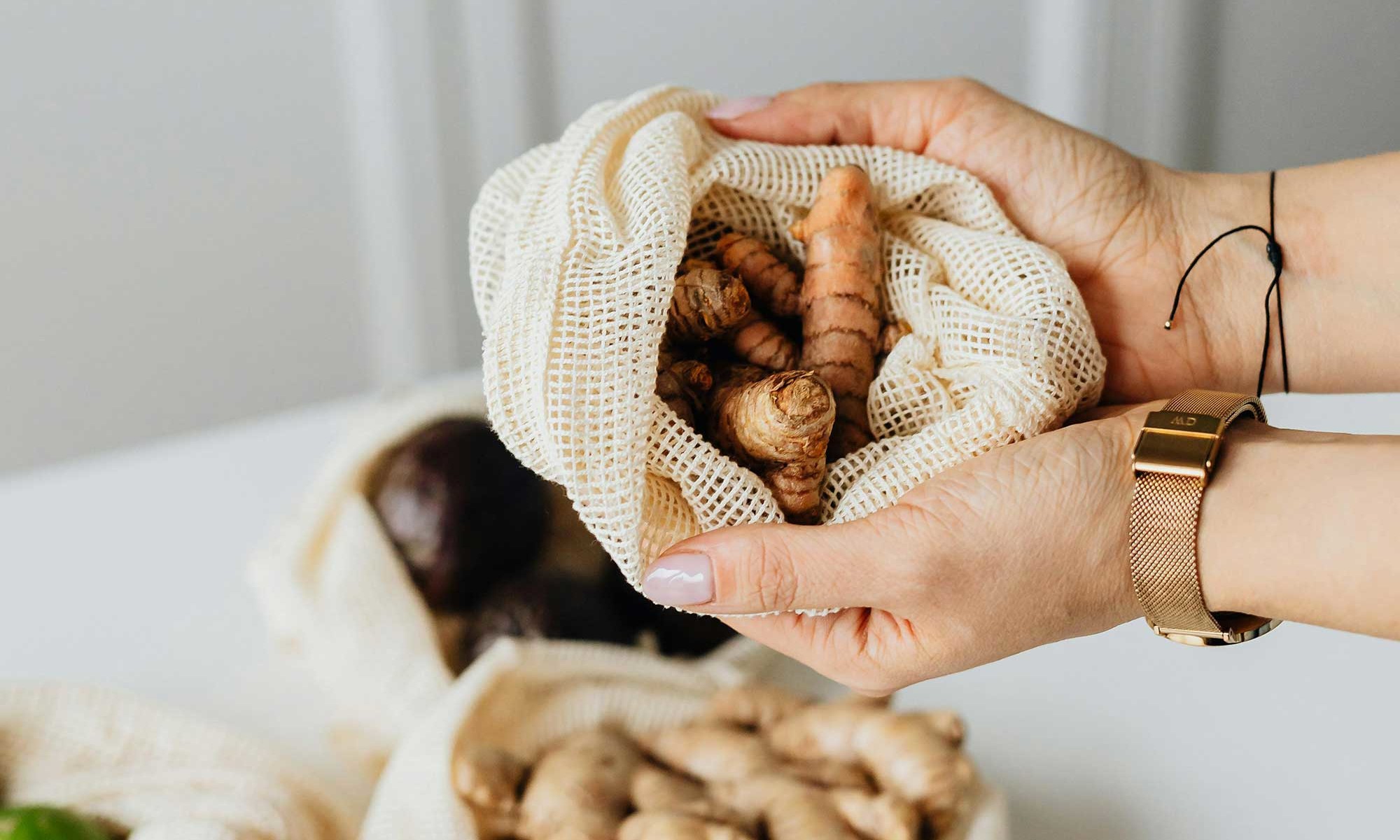
Turmeric isn’t just for curry. A new study suggests it actually helps tame blood sugar swings.
Molly Knudsen is the one breaking it down. She’s a dietitian in Newport Beach. Likes connecting food to health. But let’s talk about the science first.
Spices are dense. Tiny packages of power. Ginger has gingerols. Good for your gut. Cinnamon brings cinnamaldehyde. Good for insulin sensitivity. Then there’s turmeric. Usually gets credit for fighting inflammation via curcumin. That’s the big marketing angle.
But curcumin does other things. Like balancing glucose.
The Experiment
They put twenty-eight people in a trial. All over sixty. All had either prediabetes or obesity. Prediabetes is that gray area. Your blood sugar is high but not diabetic high yet. Think of it as a warning shot. Your cells are ignoring insulin’s knock on the door.
The setup was tight. Randomized. Double-blind. Placebo-controlled. The gold standard. One group took 80 mg of curcumin daily. The other got sugar pills. They did this for twelve weeks.
Researchers watched the fasting glucose. Watched the HbA1c. That’s the long-term average of your sugar control. Also weighed the subjects. Checked cholesterol. Looked at gut bacteria.
The Numbers Don’t Lie
Here is the kicker. Only twelve weeks in and the HbA1c dropped for the turmeric crew. Usually it takes three months for that marker to shift. It moved. Fast.
Was it statistically significant against the placebo group? Technically no. Not enough to say with absolute certainty that the curcumin caused the drop in this specific batch. But the researchers weren’t having it. They pointed out that dropping levels this quickly at such a low dose is meaningful. Especially because other studies needed massive doses like 1,500 mg a day to see similar things.
Weight? No change. Cholesterol? Same.
This matters. Because it wasn’t weight loss driving the results. The weight stayed flat. Which implies curcumin might actually be changing how the body uses insulin directly. Not just a side effect of shrinking down.
So How Do You Take It?
The 80 mg used here is tiny. Probably too small to matter for most people if they buy random stuff off the shelf. But high doses have their own baggage. Stomach upset. Interactions.
The sweet spot seems to be between 500 and 1,000 mg. But not just any powder. You want turmeric root extract. And you need bioavailability. Raw turmeric absorbs like a wet stone. You need piperine or some “polar-nonpolar sandwich” technology. It sounds like physics class but it makes the turmeric nearly six times more useful.
If you aren’t buying the fancy tech supplement, you can still cook with it. Golden milk. Curries. Smoothies.
The Bottom Line
Everyone talks about inflammation. Fine. Keep talking. But don’t ignore the glucose control. Turmeric isn’t magic but it’s working on the backend of your metabolism in ways we are only just starting to map.
The study was short. The sample was small. But the direction is clear. That yellow dust might be worth your while. Or maybe you just really like the smell. Who’s to say?