Getting a urinary tract infection feels like losing a coin toss. Bad luck. Or so it seems. If you have a short urethra—essentially if you were assigned female at birth—that statistical disadvantage is already loaded on your side. But it’s not just anatomy.
You do things. Daily habits. Silent risks. Some are obvious, others sneak in while you’re drinking your coffee.
Here is what is actually driving bacteria up there, and why you might want to stop ignoring the signals.
Holding It In
Ignoring the urge is normal sometimes. Consistently holding your pee is not.
When you don’t empty your bladder fully, residual urine sits there. Stagnant water breeds bacteria. Dr. Jill Maura Rabin at Northwell Health points out that this buildup causes inflammation, turning a simple void into a potential urethral infection. Worse yet, habitual stretching of the bladder weakens the muscle itself.
The muscle forgets how to squeeze. The urine stays. The cycle repeats.
“It’s better to empty the bladder completely,” Rabin says, “to let it fill up again completely.”
The Cyclist’s Curse
Ever hop on a bike for a commute or a spin class? An older study flagged something interesting. Cyclists report UTIs more often than non-cyclists.
The urethra length matters, sure. But so does the saddle. Prolonged pressure, friction, and the sheer compression from a bike seat irritate the pelvic region. It physically pushes bacteria toward the urethra opening. Padded shorts trap sweat. Moisture creates a breeding ground.
Dr. Thomas W. Gaither suggests the contamination might happen right there during the ride. He advises drinking plenty of water before you mount and after you dismount.
The Medication Trap
Your medicine cabinet could be the enemy.
Antihistamines, decongestants, certain antipsychotics, and anticholinergics often cause urinary retention. They block nerve signals that tell your bladder to contract. The muscles relax. Urine doesn’t leave.
Newer research links common blood pressure meds too. Specifically calcium channel blockers like amlodipine. They inhibit the smooth muscle needed for contraction. Then there are immunosuppressants like prednisone. These lower your natural immune defenses.
The result is a perfect storm for bacterial invasion.
Stop taking these? Absolutely not, Dr. Rabin warns. But be aware. Hydrate aggressively. Make sure every trip to the bathroom counts.
Wiping Backward
Your mother knew what she was talking about. Wipe front to back.
Doing it the other way—reaching from the front between your legs—is a direct pipeline. You are moving bacteria from the anus, over the urethra, and into the bladder. A recent cross-sectional study found 44 percent of women actually wipe this way. The researchers noted a spike in UTI risks among those ages 40 to 60 using this technique.
It seems counterintuitive, maybe slightly inconvenient, but it keeps pathogens at bay.
The Estrogen Drop
Midlife changes things. Hormones shift. Tissues in the vagina and bladder thin and dry.
Estrogen usually supports lactobacilli—those good bacteria that keep pathogens in check. Menopause causes a natural decline in these defenders. Simultaneously, pelvic nerves and muscles lose some efficiency. Bladder contractions become weaker. Emptying the bladder fully gets harder.
Residual urine sits. Bacteria grow. The risk spikes. It is a mechanical and chemical shift happening all at once.
Sugar and Strain
If you have diabetes, you are fighting on a tougher terrain. Nearly 40 percent of people with the condition face a UTI. Women face an even higher risk.
Type 2 diabetes makes these infections more common and harder to treat. High blood sugar leads to excess glucose in the urine. Sugar feeds bacteria. It is that simple.
Add nerve damage from the condition into the mix. Your bladder might not empty completely due to impaired signaling. The immune system is often weakened. It adds insult to injury, making the infection stickier and more severe.
Tight Lingerie
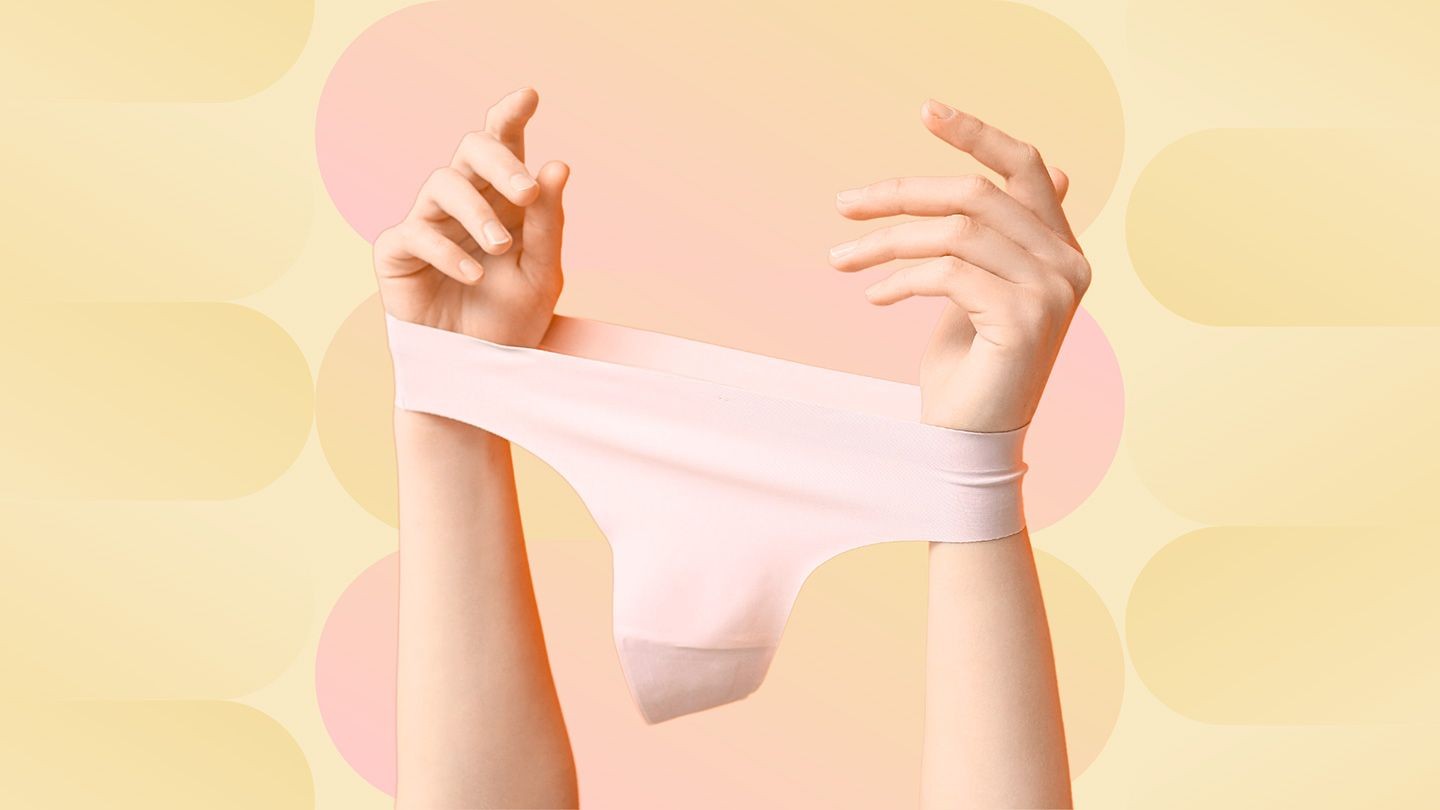
Thongs. String bikinis. Teddy suits. They might make you feel sexy, or confident. They also trap heat and compress tissue.
“There are only a couple of between inches between the openings,” Rabin notes.
The urethra, vagina, and rectum are neighbors in a tight space. Tight underwear acts as a highway for bacteria to travel from the anus toward the vaginal and urinary areas. Loosening up literally lowers the risk. Cotton is better than synthetics. Space matters.
The bottom line
None of these require panic. They require attention.
Drink water. Empty the tank. Watch your meds. And maybe rethink the thong on a long bike ride. Or maybe just keep riding.
We make compromises with our bodies every day. It’s about knowing which ones cost too much.