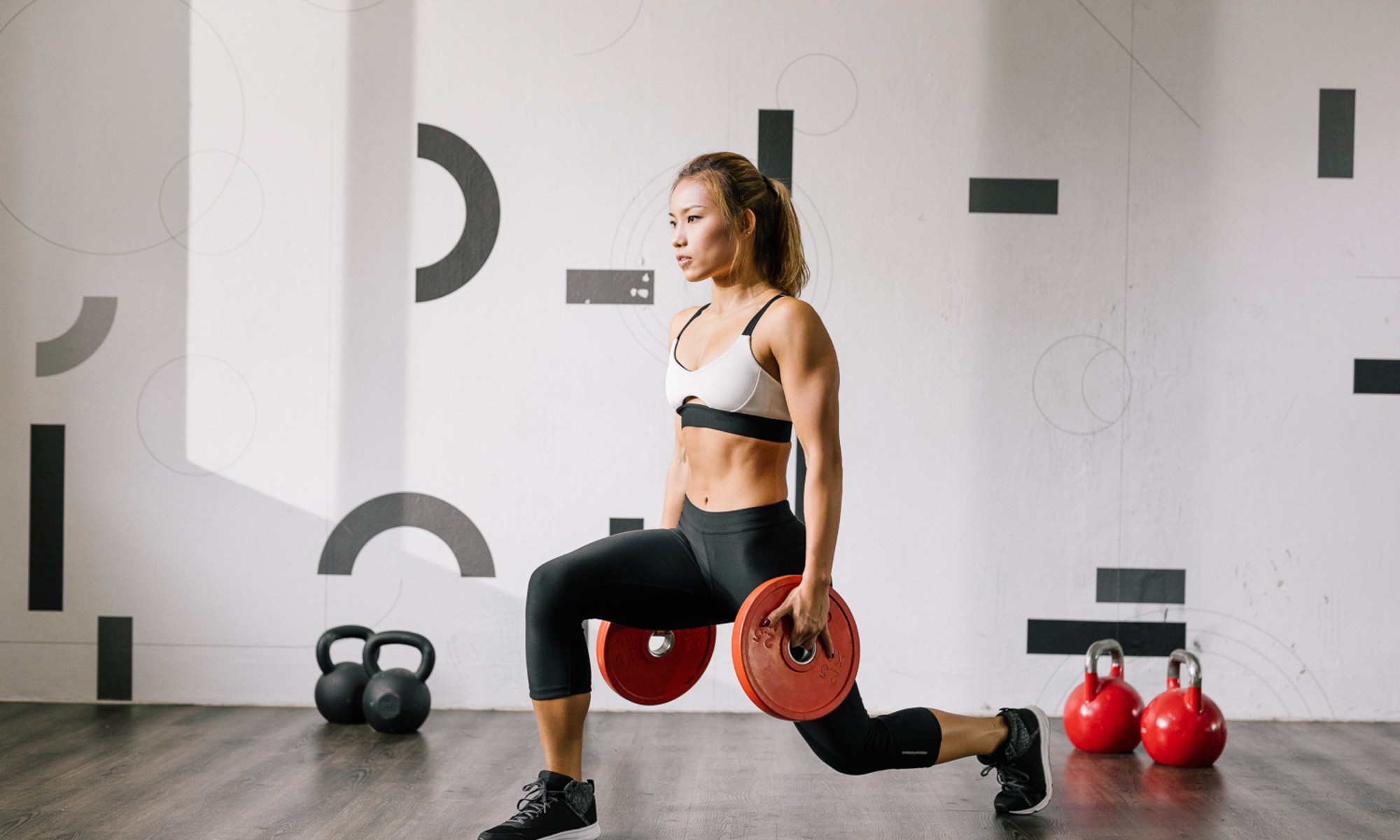
You skipped leg day. Again.
You probably did it because you weren’t worried about aesthetics.
That’s a mistake.
A new study published in Medicine & Science in Sports & Exercise suggests the reason matters more than your appearance. It points to something deeper. Leg strength is one of the most consistent predictors of hip bone density across the entire adult lifespan. We are talking about ages 18 through 85.
That is a wide window.
Most of us think bone health is an “older person’s problem.” This data says otherwise.
The 1RM leg press connection
The researchers needed to map this relationship clearly. They wanted to see how muscle and bone interact across decades and genders. So they gathered 251 adults.
- 149 women
- 102 men
Ages ranged from late teens to mid-80s.
To measure strength, they used a one-rep max (1RM) leg press. Participants pushed the heaviest possible load once. That was the metric.
The results were striking.
Higher leg press strength meant higher hip bone density.
And this held true even when controlling for age, sex, and body composition.
This matters.
You might think heavier people have denser bones just because of the weight. That’s part of it. But this study isolated muscle power from body mass. The connection remained. It wasn’t the fat or the pounds; it was the force.
The link was actually stronger in younger adults.
Does that make sense?
If the correlation weakens with age, it suggests an opportunity cost. Building that strength early isn’t just for vanity. It’s a deposit in your skeletal bank account for decades down the line.
Why spine density tells a different story
Here is where gender complicates the picture.
The study found a divergence in spinal health. Age-related declines in spine bone density were clear in women.
Men didn’t show that same pattern in the spine data.
This aligns with what we know about perimenopause. Hormonal shifts hit women harder and earlier when it comes to bone loss.
But it raises a question: are spine scans even reliable markers for older men?
The researchers caution against treating spinal measurements as the universal gold standard for men. It may not reflect their true bone health risks accurately.
For women especially, building lower-body strength is proactive armor against a biological vulnerability.
How muscles actually build bones
Why does this happen?
It’s mechanics.
When your quads contract during a squat or deadlift, they pull on the femur.
Bones aren’t static. They respond to demand.
Pull hard enough, and the bone reinforces itself. It gets denser.
This is Wolff’s Law in action—though the article didn’t name it, that’s the principle at play. The hip joint specifically handles massive loads from leg movements. No wonder the association between leg press strength and hip bone density was the strongest finding.
You don’t need to be a powerlifter.
You don’t need a shiny physique.
You need progressive overload.
Gradually increase the challenge. Lift heavier over time.
Why? Because light weights and high reps rarely send the necessary signal to bone cells. Heavy loads do.
Aim for two or three resistance sessions a week.
Consistency beats intensity. A mediocre routine you keep for five years will save your skeleton from an intense program you quit after six weeks.
Should you change your routine tomorrow?
Probably.
We tend to compartmentalize health. Cardio for the heart. Stretching for flexibility. Strength for looking good.
This research blurs those lines. Strength training is literally skeletal maintenance.
It is especially true if you are female, approaching 40, or just starting out in your 20s.
The window is wide open. From 18 to 84, the signal is the same: push against gravity. Make your legs work. Your bones will remember it long after you stop lifting.