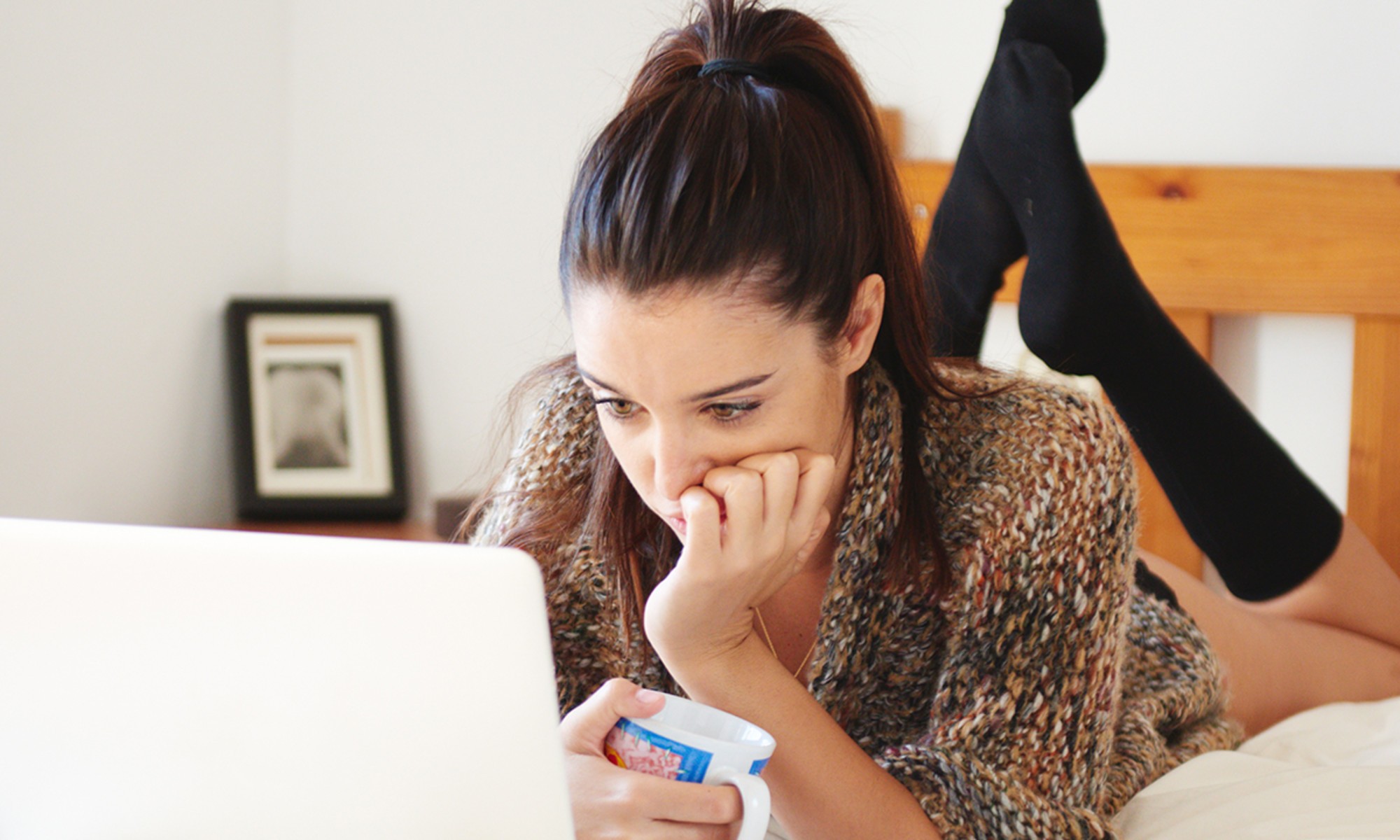
We all do it. We stay up too late. The TV blinks on, phone lights up, we tell ourselves just one more chapter.
Light lets us linger in the awake zone. It tricks us into thinking it’s harmless entertainment.
But new research presented at the American American Heart Association’s 25th Scientific Sessions says we’re wrong. It’s not just about tired eyes. It’s about stress, inflammation, and your heart working overtime while you watch reruns.
I’m guilty as charged. Late night screen time? Yes, I have done this.
Inside the study
Researchers looked at 450+ adults with no prior heart disease. They used PET/CT scans to see inside the brains and blood vessels. They watched for two specific markers. Brain stress activity. Arterial inflammation.
These show up years before heart disease actually hits.
Then they checked the lights outside those houses. Artificial light exposure mapped to address.
Here’s the damage:
- Higher night light means higher stress signals in the brain. Specifically the areas that trigger “fight-or-flight”.
- Those stressed brains came with inflamed arteries.
- The combination creates a high risk for future heart events.
Your brain sees night light and panics. It thinks there’s a predator. Or a deadline. There is only Netflix. But the body reacts anyway.
“Artificial light at night… affecting not just our sleep, but… long-term heart health.”
Why you can’t rest
We know light kills melatonin. The hormone that says go to sleep. Everyone knows this part.
But light does something nastier. It activates the sympathetic nervous system.
That system keeps you alert. Ready to run. Useful for escaping tigers. Useless when you’re lying under blankets trying to repair your DNA.
If you keep that system on all night, your body gets worn down. Blood pressure goes up. Arteries get stiff. Inflammation sets in.
Your heart doesn’t get the break it needs. It works hard for light that serves no evolutionary purpose.
How to fix it
You don’t need to live in a cave. Just be mean to the light at night.
Make the bedroom dark. Blackout curtains work. Eye masks help. Streetlight seepage? Block it.
Change the bulbs. Blue-white LEDs belong in the day. Amber tones for the night. Tell your brain it’s safe to downshift.
Give devices a curfew. One hour before bed, the screens go dark. Digital sunset. Your brain will thank you by letting go of the “day mode”.
Turn off outdoor lights. Use sensors. Use timers. Less light outside means less light inside. Saves energy too.
It’s a small thing. Lighting isn’t complicated physics. It’s environment.
And that’s the trap. We assume sleep is just closing our eyes. But if your body is under attack by photons, sleep won’t fix it.
Turn off the light. Let your arteries relax.
Or don’t. I know what happens then anyway.