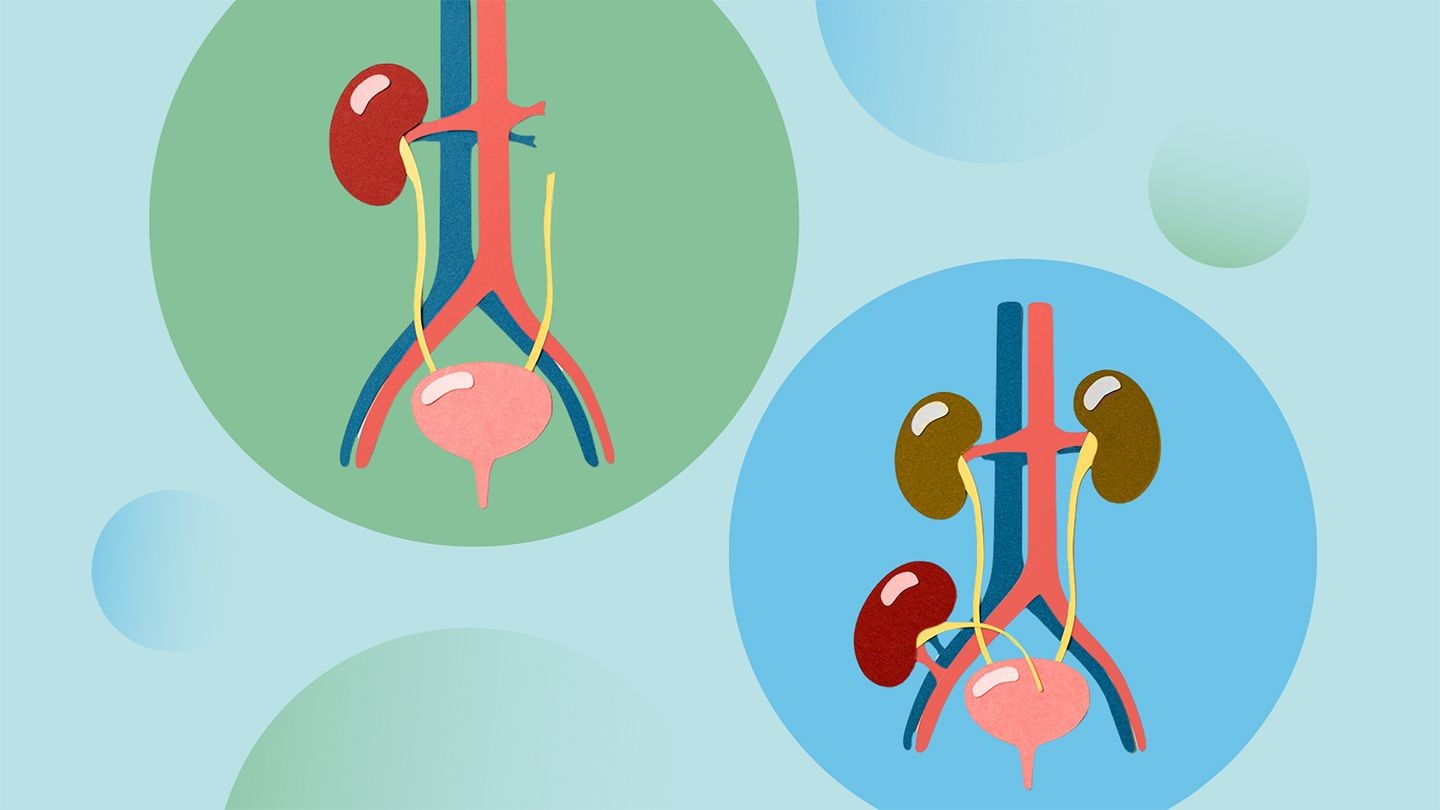
You have IgA nephropathy. Your kidneys are failing, or they might be on the brink. The topic comes up not because you are doomed, but because you are thinking ahead.
Dr. Randi Ryan says teams talk early. Just in case. It is a safety net. Not everyone with IgAN needs a transplant. But if your eGFR dips to the mid-20s? That is when the clock starts. Dr. Abdolreza Haririan marks this as the go signal. Before dialysis. Always before dialysis.
People who jump before the plunge usually survive the landing better. Early evaluation buys time. It also lets you hunt for living donors, who need months of medical checks themselves. A living gift has perks. It’s faster, sometimes easier. But dead donor kidneys are the norm, too. The list is long.
A transplant isn’t waiting until all doors close. It’s kicking the door down early.
The Good: Getting Your Life Back
Imagine a machine in your abdomen that never stops working. That’s the new kidney.
No more dialysis schedules. No more planning vacations around clinic hours. Dialysis saves you, yes, but it steals your days. Hemodialysis takes hours, multiple times a week. Peritoneal dialysis owns your nights.
A working kidney changes the geometry of your day.
-
Better Survival
Dialysis prolongs life. A kidney replaces it. The stats favor the transplanted. Dr. Haririan notes the gap clearly. -
Less Strain on the Body
Kidneys do everything. Filter waste, balance fluid, handle electrolytes. When they work, heart disease and stroke risks drop. Nicole M. Ali points out that calcification of blood vessels slows down. The fluid stays where it should, so lungs stay dry and legs stop swelling. -
Potassium Under Control
Bad kidneys let potassium build up. Good hearts hate high potassium. Dangerous rhythms start there. A new kidney flushes the excess. The nerves thank you. -
Energy Returns
Fatigue is the shadow of IgAN. Waste products linger in the blood. Dialysis scrubs some out, but the process drains you.Then comes the transplant.
Healthy kidneys make erythropoietin. It tells the marrow to pump red blood cells. Anemia fades. The fog lifts. You walk faster. You feel… real.
-
Food Again
Forget the strict fluid limits for a moment. After surgery, drink water. Hydration protects the new organ. You can eat more freely than on dialysis. Sodium might still need watching, and sugar certainly does. But you don’t need to fear a bowl of spinach or an apple the same way.
The Bad: The Price of Admission
Free lunches don’t exist. Transplants demand a toll.
The Surgery
It is safe. Most of the time. But “major procedure” has teeth.
Bleeding happens. Infection lurks. Clots can form. Your blood pressure might swing wild. In rare cases, people die.
For the first few months, you are under a microscope. The team checks everything. If something tears, they fix it. If an infection hits, they hit it back.
The Drugs
Immunosuppressants keep your body from eating its own new kidney. They also turn down the volume on your immune system.
You trade auto-immune war for an open door for invaders.
You get sick easier. Dr. Rafael Villicana stresses the lifetime commitment to these meds. Early on, antibiotics might prevent bacterial storms. Fever means a phone call, immediately.
There is also cancer. Specifically skin cancer. Squamous cell, basal cell. The immune system usually hunts these down. Now it can’t.
Sunscreen. SPF 30 minimum. Every day. Plus annual derm checks. No exceptions.
Metabolic Mess
The drugs raise blood pressure. They spike cholesterol. They can cause diabetes. You monitor for these side effects just like you monitored your kidneys before.
Recurrence
Does the IgAN come back?
Sometimes. A lot of times, even. Up to 60% recurrence rates are seen in studies. Younger patients seem more prone to it, as do those who get transplants very soon after diagnosis.
Why? The bad habit lives in the blood, not just the old kidneys. IgAN returns because the process is still running.
It does not mean the new kidney will die. Some recurrences are silent ghosts. Others cause rapid failure.
The immunosuppressants used for rejection might also tame the IgAN fire. Medicine is better now than it was ten years ago. Vigilance is key. Blood tests. Urine tests. Don’t miss the appointment.
So?
It is a gamble with stacked odds. You risk infection and cancer. You risk recurrence. But you keep dialysis at bay. You reclaim your days.
Dr. Ryan suggests looking at the big picture. Most people who go through the surgery live with a working kidney for years. The quality of that life is sharper, clearer.
You still have to eat well. You still have to take pills. The freedom is not absolute. It’s just… freer.
Which is worth enough to wake up early for.
“It doesn’t come close to replacing the work of a natural organ,” says Dr. Ryan of dialysis.
But nothing is perfect. Nothing is natural, not even the drugs.
We choose what hurts less.
The needle. The pills. Or the hope that the next organ arrives before the old one gives up entirely.