Continuous positive airway pressure therapy works. That is a fact. It pushes air through a mask to keep airways open. Most doctors will recommend it first because it stops the breathing pauses of sleep apnea.
But here is the problem. Many people hate it.
The mask leaks. The machine hums. Dry mouth becomes a nightly companion. Adjusting to the sensation of forced air while trying to relax feels impossible. Frustration mounts. Progress toward better sleep stalls because the treatment itself becomes a burden.
Why stick with one tool?
Sleep medicine isn’t stagnant. The field moves. New therapies emerge to help people manage obstructive sleep apnea without the mask.
This shift isn’t about rejecting CPAP. It’s about recognizing that tolerance varies. If the machine stays on the shelf gathering dust it does nothing.
Here is how to navigate the changing landscape of sleep care.
1. It stops your breathing
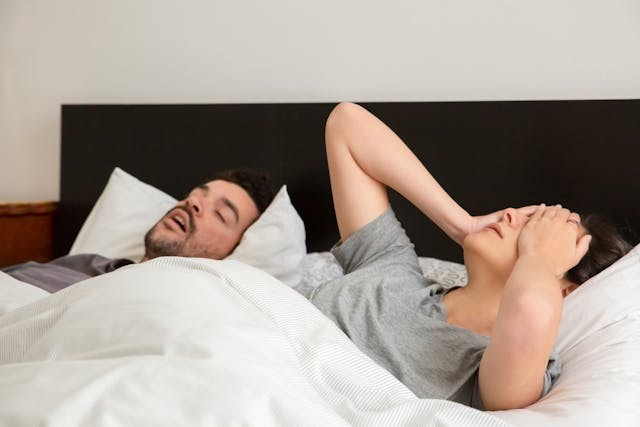
Sleep apnea causes breathing interruptions during the night. Repeated pauses.
Oxygen levels drop. Sleep quality fractures. Energy evaporates. Many ignore loud snoring or daytime fatigue until life becomes unmanageable.
2. The gold standard exists
CPAP delivers steady pressure. It physically prevents airway collapse. It remains one of the most effective treatments available.
Used consistently? Sleep improves. The science is solid.
3. Comfort kills consistency
Effectiveness means little if you don’t use the device.
Mask discomfort. Strange pressure sensations. The sheer hassle of setup and breakdown. These barriers lead to non-adherence. Doctors see it every day. They start looking elsewhere when CPAP fails as a practical tool.
4. Options are multiplying
Awareness grows. Patients demand alternatives that fit their lives.
This demand drives innovation. The market responds. New devices and approaches enter the fray.
5. One size does not fit all
Sleep apnea presents differently in everyone. Severity varies. Anatomy differs. Lifestyles clash.
Personalized care matters. Tailored recommendations beat generic protocols.
6. You need data
Diagnosis drives treatment.
Sleep studies track breathing patterns and oxygen saturation. They quantify the severity. Without this baseline, choosing a path is guessing.
7. Stick with what works for you
Consistency relies on comfort.
A therapy can be powerful but fail if the patient suffers. Focusing on comfort improves adherence. Happy patients stick with treatment longer.
8. Tech changes everything
Innovation expands the toolbox.
New technologies offer pathways for those who struggled with traditional machines. The horizon keeps moving. More choices appear for specific needs and preferences.
9. Knowledge is power
Understanding apnea changes the dynamic.
Educated patients participate in decisions. Uncertainty fades. Conversations with providers become clearer. Patients realize treatment hiccups are common and surmountable.
10. Sleep feeds health
Good sleep affects mood, focus, energy. Everything.
Addressing apnea restores balance. Sustainable treatment leads to better long-term outcomes. The ripple effects extend beyond the bedroom.
What comes next?
The era of the single solution is ending. CPAP remains potent for many. But the growing alternatives matter for those who find the mask intolerable.
Stay informed. Work with professionals. Find what supports both efficacy and comfort. The goal is simple: rest better. How you get there is up to you.