


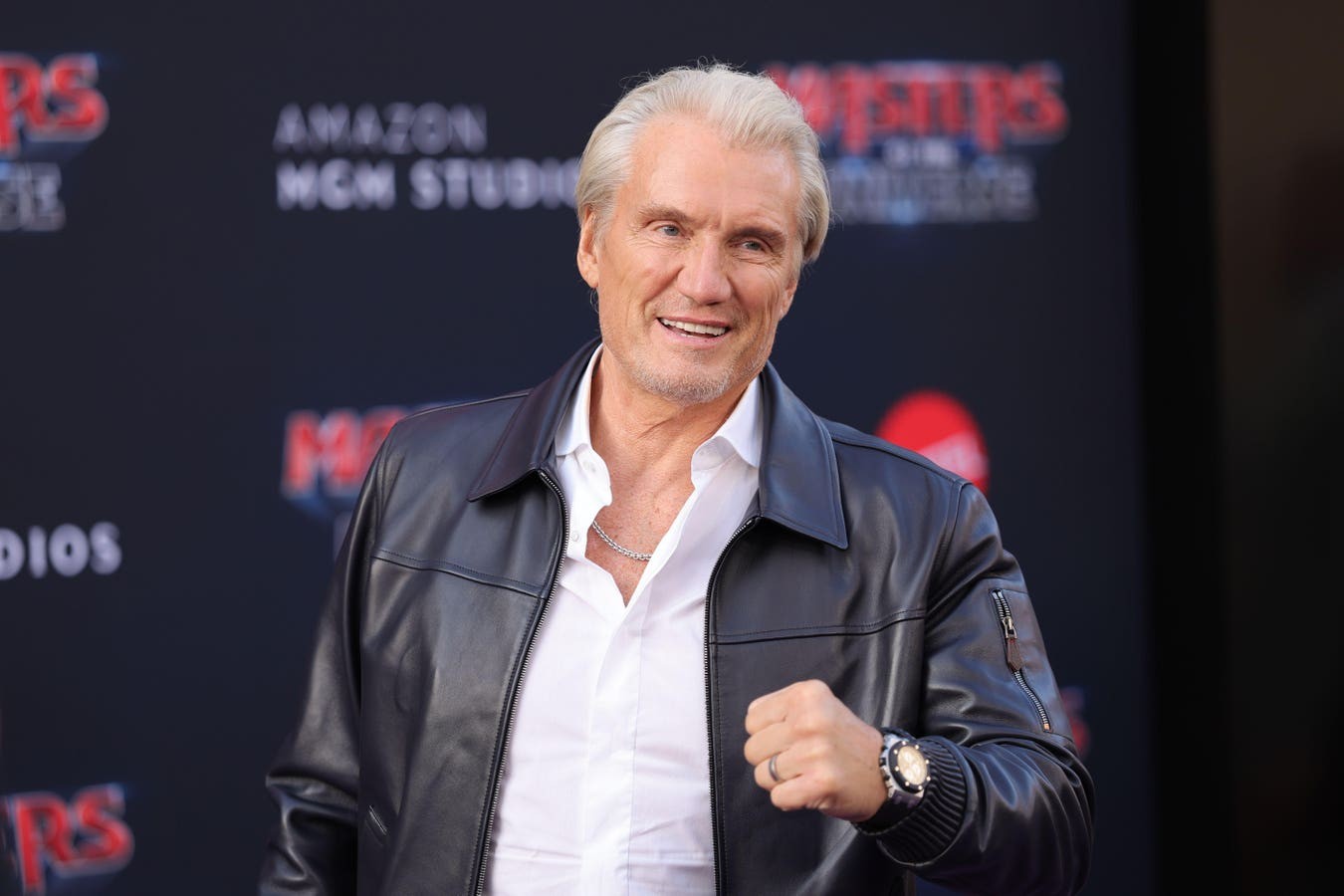
“I must break you.”
That line, delivered by Dolph Lundgren as Soviet boxer Ivan Drago in Rocky IV, defined a career built on physical dominance. But in 2020, the 68-year-old action star faced an opponent no amount of punching could defeat. His kidney cancer, dormant for five years, had returned. Worse, it had spread. His spine. Liver. Lungs. A British doctor in London gave him a brutal timeline: maybe a couple of years left to live.
He was wrong.
Lundgren didn’t just survive; he’s now cancer-free, active, and publicly dismantling the myths surrounding kidney cancer treatment. His journey offers a stark roadmap for anyone facing a renal cell carcinoma diagnosis. It isn’t just about surgery. It’s about which mutation you carry, who examines your tissue, and how long you can survive a six-month antibiotic war to stay standing.
From 2015 Diagnosis to Spreading Tumor
The story starts in Sweden, 2015. Lundgren was prepping for a Gumball 3000 rally when he noticed blood in his urine. He brushed it off as sparring trauma. It wasn’t.
He was diagnosed with renal cell carcinoma (RCC). According to the Kidney Cancer Association, RCC accounts for roughly 90% of kidney cancer cases. While nearly 78% of patients live five years or more post-diagnosis, outcomes vary wildly depending on the specific genetic profile of the tumor.
Lundgren underwent surgery to remove the tumor from his left kidney. He was cleared. He returned to life, assuming the war was over. As his character in Universal Soldier famously quipped, it wasn’t.
By 2020, during the peak of the global pandemic, the cancer came back. This time, it was aggressive. Surgery wasn’t an option because the tumor burden was too high. He started immunotherapy, hoping his own immune system would crush the disease.
It failed.
The Side Effects of Standard Care
Immunotherapy isn’t a gentle fix. It floods the body with IV medication designed to wake up the immune system, but the collateral damage is severe.
Lundgren lost his sense of taste. His appetite vanished. He dropped weight. Diarrhea, sores on his hands and feet, and dangerous blood clots traveling to his lungs became his daily reality. The treatment didn’t work. The London doctor’s prognosis was stark.
“I was engaged to my current wife,” Lundgren recalled. “[The doctor] said, ‘You really don’t have long to live.’”
Most patients in that position stop questioning. They accept the timeline. Lundgren didn’t. He sought a second opinion in the U.S., a decision that proved to be the difference between a few months of life and years.
The UCLA Second Opinion and the ALK Discovery
Through a connection made on a golf course, Lundgren was put in touch with Dr. Alexandra Drakaki at UCLA. She is an associate professor of hematology, oncology, and urology. Coincidentally, her husband trained in Kyokushin Karate—the same style Lundgren practices—and she had seen his movies growing up.
“It was kind of a strange coincidence, kind of means to be, that I had met them… and she ended up saving my life.”
Drakaki didn’t just accept the previous diagnosis. She looked at the tissue samples from 2015 again. She was looking for something the first team had missed.
There it was. An ALK mutation.
What Is ALK-Positive Kidney Cancer?
ALK stands for Anaplastic LymphomaKinase. The gene helps develop the gut and nervous system in embryos. Usually, it turns off after birth.
When it stays off, you’re fine. But if the ALK gene gets turned back on and fuses with another gene, it can cause cells to become cancerous. This is most commonly associated with ALK-positive non-small cell lung cancer, but it can appear in kidney cancer, too. It is rare. It is often overlooked because it’s not the standard profile for renal tumors.
Detecting this mutation changes the entire treatment plan.
Targeted Therapy: Alectinib and Cryotherapy
Because Lundgren’s cancer had the ALK fusion, Dr. Drakaki prescribed alectinib. This is an ALK inhibitor. It specifically targets the abnormal protein driving the cancer growth.
The results were immediate and dramatic.
“Within a few months, the tumor startedshrinking,” Lundgren said. “Within a year, 90 percent of all the tumors were gone.”
With the bulk of the cancer reduced, the remaining tumors in his liver were targeted with cryotherapy—a process that uses extreme cold to freeze and kill cancer cells. It’s a precise technique, but it came with its own risks. Lundgren began bleeding heavily from the cryotherapy site. An abscess formed, requiring six months of intense antibiotic treatment.
“At the end of that, my body went into shock,” he said. “I was physically weak.”
He gave himself one year to recover in early 2023. It took two. But in 2026, he is still in NED (No Evidence of Disease).
Why Second Opinions Are Life-Saving
Lundgren’s case highlights a critical flaw in healthcare systems: expertise varies wildly.
“Cancer treatment is still in infancy,” he noted. “Not everyone will realize the options available.”
He compares finding a doctor to finding a plumber. Some plumbers can’t fix a toilet. The right one walks in, fixes it in two seconds. The same applies to oncology. You need a doctor with the specific expertise to dig into tissue samples, look for rare mutations like ALK, and prescribe targeted therapies rather than generic protocols.
“If you have the opportunity to get a second person’s opinion, do so,” Lundgren urged. “Some doctors are great. Some aren’t.”
The Mental Game and Future Treatments
Lunggren’s background in chemical engineering gave him a scientific lens on his own illness. It sparked an interest in Athos Therapeutics, the company behind Dr. Drakaki’s husband. The firm uses artificial intelligence to analyze cancer gene mutations, predicting which medications will work best for specific genetic profiles.
This shift toward precision medicine is where oncology is heading. Immunotherapy caused Lundgren massive side effects. The targeted ALK inhibitor did not. The difference in quality of life was stark.
But the physical treatment was only half the battle.
“When you get a diagnosis like that, it’s a shock,” he said. “The first thing is to stay positive. Try to stay in shape. Stay physically active. Stay mentally active.”
His doctor told him the body can “hear” itself to some degree. It’s an instrument that responds to intent. He wasn’t going to let the disease dictate his timeline. He’s using his platform to raise awareness through the Kidney Cancer Association and by hosting History’s Greatest Machines on the History Channel. He’s writing an autobiography. Launching a vodka brand with his wife.
He refused to let the prognosis break him. And in doing so, he proved that even with rare, aggressive kidney cancer, the right treatment can change everything.


