It’s exhausting. Physically, mentally, emotionally. Living with Crohn’s means carrying a constant weight of inflammation, diarrhea, pain and a stomach that just won’t cooperate.
You want joy back. You want energy. Not just surviving, but thriving.
Standard medicine handles the disease. These seven tips handle the you. Add them to the routine. They might make the heavy days feel slightly lighter.
1. Move Like You’re There (Even If You Aren’t)
Activity lifts mood. Endorphins do their thing.
Yoga works because it’s gentle. It matches your body’s limits rather than fighting them. Brandon, an expert in the field, points out that yoga tailors itself to your capacity on any given day. It’s approachable. Even if it’s just breathing exercises on a bad morning.
“The biggest thing I want my patients take away is that they’re moving their body every day.”
— Dr. Heather Ventura-Witcher
Stuck in a flare? Switch to chair yoga. Stuck in bed? Do a stretch. That counts. Dr. Ventura-Witcher insists on this. Movement doesn’t mean a marathon. It means existing.
2. Feed the Machine in Drip Mode
Big meals are often out of the question. Your GI tract is swollen and sensitive. Missing nutrients drains you fast, affecting mood as much as physical strength.
Change the rhythm.
- Eat six or seven tiny meals instead of three giant ones.
- If solids feel wrong during a flare, drink your protein. Use approved fiber supplements.
- Cut alcohol. Especially when inflamed. It’s not worth the crash.
3. Sleep Is Non-Negotiable
Seven to nine hours. That’s the target for immune support and reduced inflammation.
Here is the trap. Poor sleep boosts inflammation. Inflammation causes pain. Pain kills sleep. You’re spinning.
“If we’re not sleeping well our risk of inflammation and flare goes up.”
— Dr. Ventura-Witcher
Break the loop by prioritizing quality over quantity. Keep the room silent. Ban the phone from the bed; screen light steals your REM cycle. Use the bed for sleeping only. If you can’t sleep, get up. Train your brain.
4. Quiet the Noise Inside
Mindfulness isn’t woo-woo. It’s focusing on the present without judging the pain.
Studies actually show it works. Brandon notes research linking mindfulness to lowered C-reactive protein levels—a direct marker of Crohn’s activity. That’s objective data.
Try these:
- Box breathing. 4-7-8 counts. Belly breathing. Simple mechanics calm the nervous system.
- Meditation. Focus on air entering the nose. Repeat a mantra. Let the stress dissolve.
- Body scanning. Close your eyes. Move attention through the body. Note sensations without fixing them. Just observe.
Dr. Ventura-Witcher uses gut-directed hypnotherapy. It teaches the brain to send soothing signals to the digestive tract instead of stress signals. Apps like Nerva or groups like GI Psychology can help find this care if your provider doesn’t offer it.
5. Create Something
Hobbies engage the emotional brain. They pull you out of future fears or past regrets into the now. They provide meaning.
Claire Brandon, MD, knows the risk. Crohn’s is unpredictable. You might cancel plans. You might feel unreliable. This leads to isolation.
Don’t quit. Try again. Find a hobby that survives the bad days.
Ventura-Witcher suggests crochet, knitting, pottery, or painting. Or just reading a book for part of the day.
“Music has long been known to work wonders for healing.”
— Dr. Claire Brandon
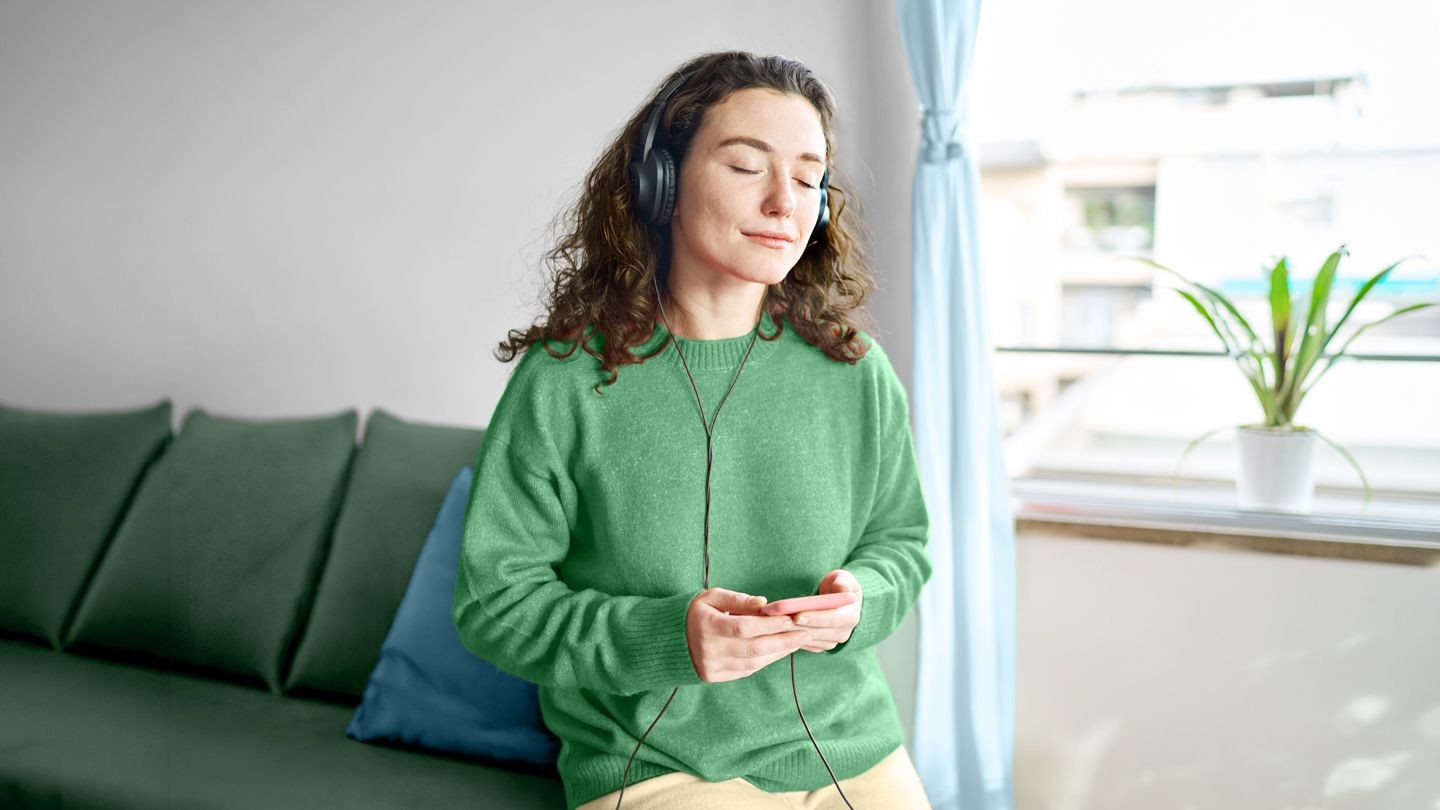
Music lowers stress hormones and sadness. You can listen even when in the middle of a severe flare. It requires zero physical movement. Just press play.
6. Find Your Tribe
Loneliness hurts. Literally.
Spending time with friends, family, or other Crohn’s warriors matters. Knowing others feel what you feel eases the isolation. Dr. Brandon says feeling part of a bigger group helps when medical illness weighs you down.
Where to start?
- Crohn’s & Colitis
-
Colitis
Foundation
– IBD Connect
Crohn’s and Colitis
– Young Adults Network
Can’t leave the house? Connect virtually. Text. Video call. Voice notes. Keep the lines open at a pace you can manage.
7. Be Nice to Yourself
Self-compassion means treating yourself like a good friend. Acknowledge the struggle. Stop judging yourself for not being “fixed” yet. Research links this to better well-being in IBD patients.
Dr. Ventura-Witcher prescribes a three-item daily to-do list. Items two and three are whatever tasks need doing. Item one must be kindness. Coffee. A nap. A movie. Just one act of kindness. Do that first.
Start Small
Starting is the hard part. You’re tired. You don’t want to add more to the plate.
Keep it microscopic. Thirty seconds of deep breaths. Step outside for one minute when the sun shines. Come back inside. That’s a win. Build from there.
Guilt is the enemy here. Don’t feel guilty for recharging. You’re fighting an inflammatory battle every day. Reducing flares isn’t selfish. It’s smart.