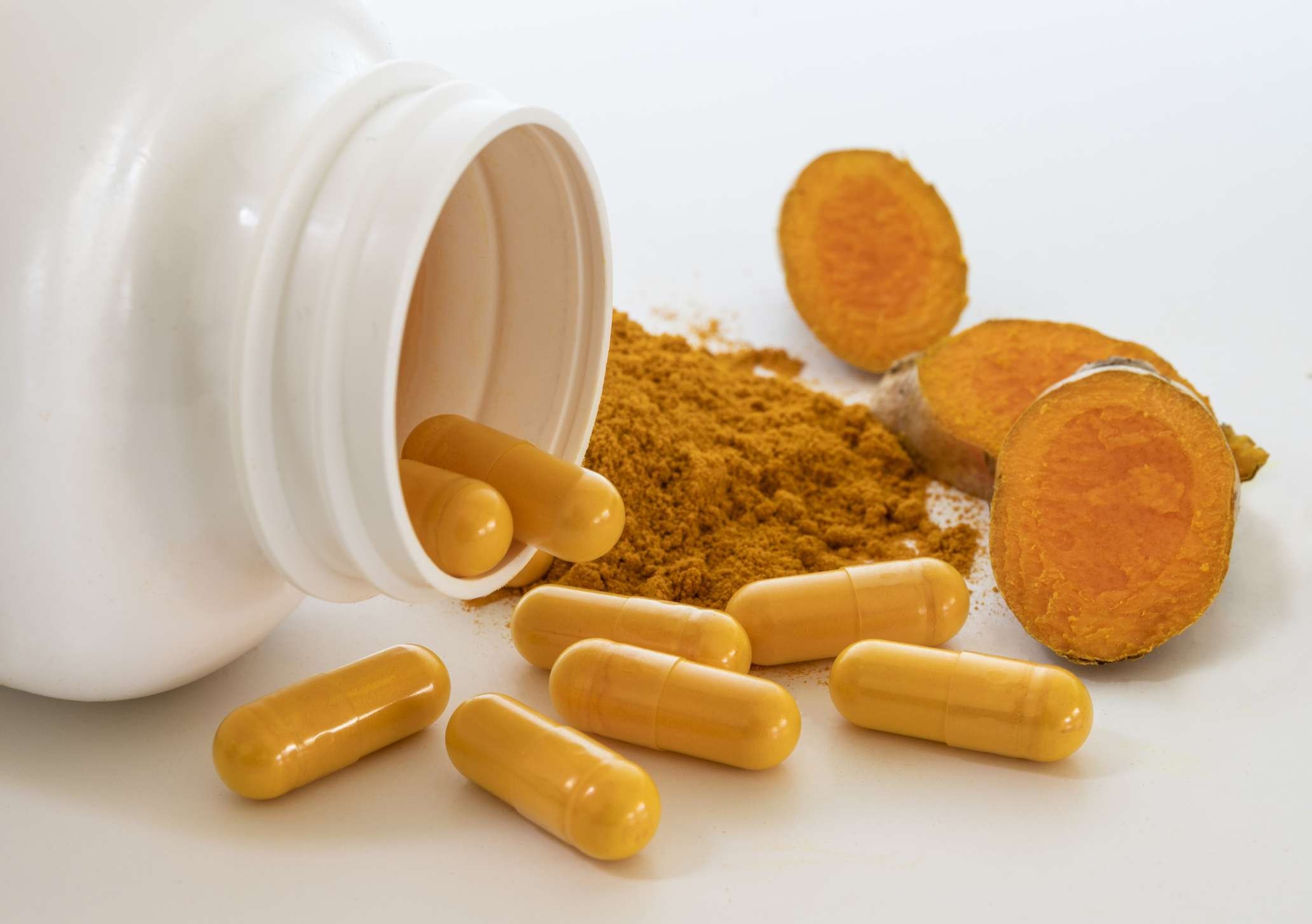
For centuries, turmeric has been a cornerstone of traditional Chinese and Ayurvedic medicine. Today, it has moved from the spice rack to the supplement aisle, driven by a growing scientific interest in its primary active compound: curcumin.
As a potent anti-inflammatory and antioxidant, curcumin targets the biological processes that drive many chronic illnesses. While it is not a “magic bullet” or a replacement for conventional medicine, emerging research suggests it can play a significant role in managing various health conditions.
1. Managing Joint Pain and Arthritis
Arthritis encompasses over 100 different conditions characterized by inflammation and reduced mobility. Whether it is the “wear and tear” of osteoarthritis or the immune-driven attacks seen in rheumatoid arthritis (RA), inflammation is the common enemy.
Studies indicate that curcumin can be as effective as some non-steroidal anti-inflammatory drugs (NSAIDs) for knee osteoarthritis, but often with fewer side effects. A review of 29 clinical trials confirmed that turmeric significantly reduced pain and inflammation in several types of arthritis, including gout and ankylosing spondylitis.
2. Supporting Cardiovascular Health
Heart disease often stems from atherosclerosis —the buildup of plaque in the arteries. Because curcumin helps improve blood vessel function and can lower “bad” LDL cholesterol, it serves as a powerful tool for heart health.
Research has shown promising results:
– One study noted that curcumin helped blood vessels relax and expand, aiding blood pressure management.
– In bypass surgery patients, taking curcumin shortly before and after the procedure was linked to a 65% reduction in heart attack risk.
3. Digestive Relief for IBD
Inflammatory Bowel Disease (IBD), including Crohn’s disease and ulcerative colitis, causes chronic inflammation in the digestive tract. Curcumin may act as a complementary therapy to standard medical treatments. In one 12-week study of patients with mild to moderate Crohn’s, 40% of participants saw their symptoms disappear entirely.
4. Protecting the Brain (Neurodegeneration)
Neurodegenerative diseases like Alzheimer’s and Parkinson’s involve the death of nerve cells, often triggered by chronic inflammation and protein buildup. Curcumin may help protect brain cells from this damage and potentially slow cognitive decline by reducing inflammation in the central nervous system.
5. Mental Health and Depression
There is a growing link between chronic inflammation and mental health. Depression is often associated with low levels of BDNF (brain-derived neurotrophic factor), a protein essential for brain cell survival. Curcumin has shown potential in increasing BDNF levels, helping to improve mood and manage symptoms of major depressive disorder.
6. Calming Allergies
Allergies occur when the immune system overreacts to substances like pollen or dust, releasing histamines that cause congestion and itching. By suppressing histamine release and lowering respiratory inflammation, curcumin may help manage mild to moderate allergy symptoms.
7. Soothing Inflammatory Skin Conditions
Conditions like eczema and psoriasis result from an overactive immune response, leading to itchy, cracked, or inflamed skin. Curcumin can be used both orally and topically (as a cream) to soothe these symptoms, offering a natural alternative to some steroid-based treatments.
8. Potential Role in Cancer Research
While research is still in the early stages, studies suggest curcumin may inhibit the growth of cancer cells and prevent them from spreading. Furthermore, it may help mitigate the harsh side effects of conventional treatments, such as nausea and diarrhea resulting from chemotherapy.
9. Regulating Type 2 Diabetes
Type 2 diabetes is characterized by insulin resistance and unstable blood sugar. Curcumin may help the body process sugar more efficiently by improving insulin sensitivity and supporting the enzymes responsible for glucose regulation, potentially protecting the pancreas from long-term damage.
10. Supporting Respiratory Function
For those living with asthma or COPD, airway inflammation makes breathing difficult. Curcumin’s antioxidant properties can help protect lung tissue from toxins and reduce the inflammatory substances that cause wheezing and coughing.
💡 Maximizing Absorption: The “Golden Rules”
A common challenge with turmeric is its low bioavailability —meaning the body struggles to absorb it on its own. To get the most benefit, follow these two nutritional tips:
- Add Black Pepper: The piperine in black pepper significantly enhances curcumin absorption.
- Pair with Healthy Fats: Since curcumin is fat-soluble, consuming it with fats like avocado, olive oil, or coconut milk helps it dissolve and enter the bloodstream.
⚠️ Safety and Side Effects
While the FDA recognizes curcuminoids as “generally safe,” moderation is key. High doses may cause stomach upset, nausea, or headaches.
Important Precautions:
* Blood Thinners: Turmeric may increase bleeding risks if taken with medications like warfarin or aspirin.
* Diabetes Medication: It can lower blood sugar, which may cause issues if combined with prescribed diabetes drugs.
* Pregnancy: Due to a lack of established safety data, pregnant or breastfeeding individuals should avoid concentrated supplements.
Conclusion: Turmeric is a versatile, science-backed tool for managing inflammation across multiple body systems. However, it should be viewed as a complementary support rather than a replacement for professional medical guidance and prescribed treatments.