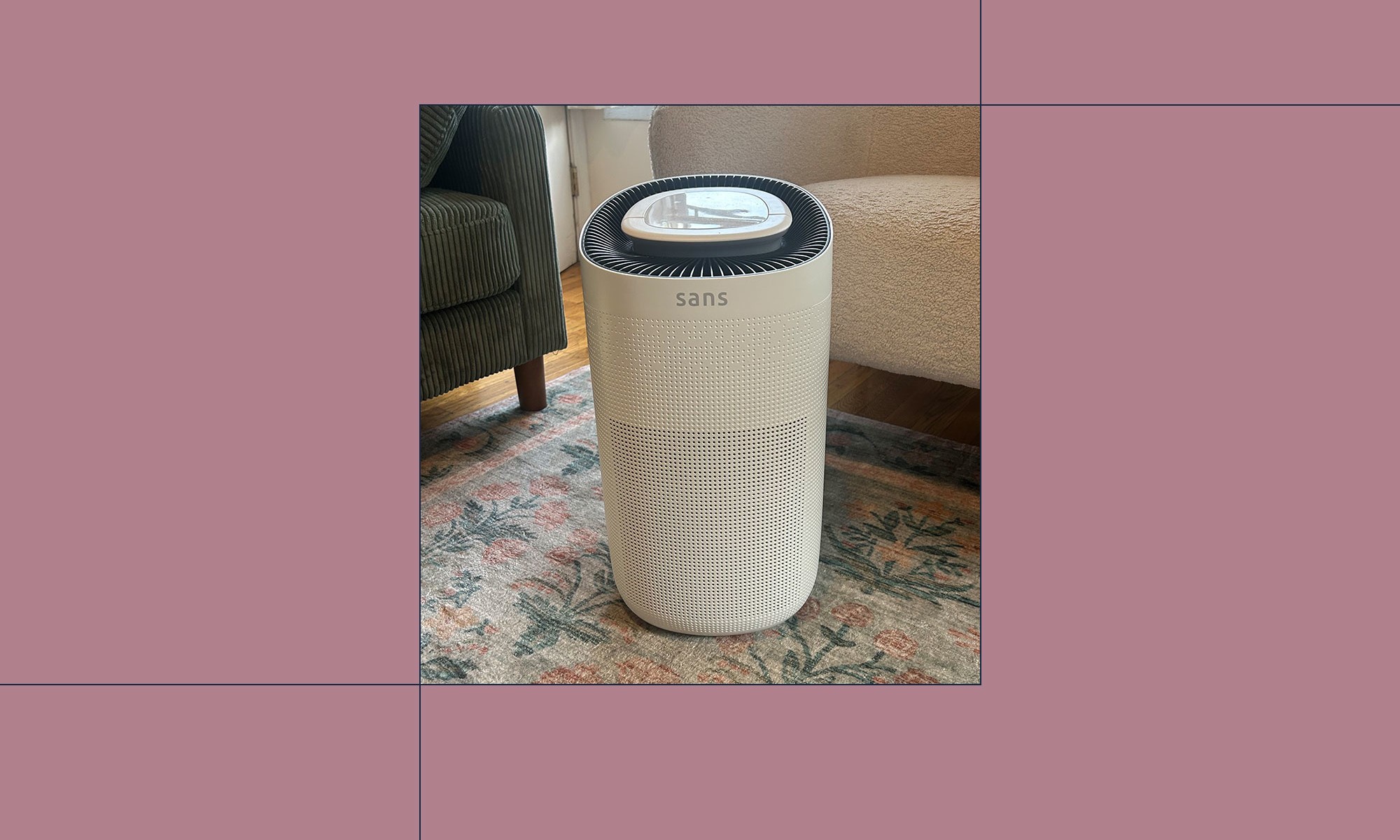
The air in your house isn’t fresh.
Not really. Nearly 99% of people breathe unhealthy air daily, indoors included. It slips in through drafty windows. It rises from your gas stove. Your pets shed it. You breathe it.
Living in an old building in Boston, I’ve learned this the hard way. Construction next door turned my windowsills into dust bowls. The ventilation? Nonexistent. So I got the Sans Air Purifier. Two months later, my apartment smells like… nothing. The dust isn’t there either.
If you’re wondering how to clean indoor air effectively without spending your entire paycheck, keep reading. Here is the real deal on the Sans Air Purifier, stripped of the fluff.
What makes the Sans Air Purifier different?
Most air purifiers rely on a basic HEPA filter. Sans does three things at once. It uses a three-stage filtration system designed to trap particles most devices miss.
Here is how it works:
- Medical-grade HEPA 13: This isn’t standard office-grade filtration. It meets clinical requirements used in hospitals. It catches 99.97% tiny particles—dust, pollen, pet dander, and smoke.
- Activated Carbon Layer: Filters alone can’t stop smells. This layer absorbs Volatile Organic Compounds (VOCs) and odors. Cooking fish? Gone.
- UV-C Light: Hidden inside, this targets airborne bacteria and mold spores before they circulate.
It covers up to 1,550 square feet (though the text notes 1,560). There’s a smaller mini version for tighter spaces, too.
Why does this matter for longevity? Because breathing PM2.5 (fine particulate matter) and nitrogen dioxide hurts your lungs. Decades of data link these pollutants to cardiovascular disease, respiratory issues, and even cognitive decline. One 2023 study linked increased dementia risk to PM2.5 exposure.
We can’t change the sky outside. We can fix what we breathe inside.
Setting up your air purification strategy
Setup takes about three0 seconds. Plug it in. Turn it on. Done.
The top panel is where you live. It’s intuitive.
Most users leave it in Auto Mode. This is the sweet spot. The built-in SmartPure technology monitors your air in real-time. If you burn toast, the sensor detects the smoke spike. The fan automatically kicks up speed. No fiddling.
“The fan dials up automatically when harmful chemicals hit the air, then backs off when things clear.”
You can see exactly what’s in your lungs. The screen shows levels for PM2.5, PM1.0, and VOCs. If the numbers look confusing, the ring light around the display helps.
- Blue: Good. You’re fine.
- Yellow: Moderate. Proceed with caution.
- Red: Poor. Something is burning (or you have a very messy kitchen).
You can tap the sensor icon (a magnifying glass shape) to drill down into the data. Or set a timer. Run it for two, four, or eight hour bursts. Or leave it on 24/7 if you’re paranoid.
My honest review: Did it actually help?
I tested it in my 1-bedroom apartment. Old building. Poor airflow. Constant construction dust outside.
I placed it near the window and the kitchen—the two worst zones. Here’s what changed.
It’s genuinely quiet
At the lowest speed, you forget it’s there. I slept through it. Worked from my living room with it on Auto Mode. It whispers. You only hear it if you listen for it, which I rarely did.
The dust actually went down
This was the biggest surprise. Before the Sans, I wiped my windowsills and vacuumed every three days. It was annoying. Necessary, but annoying.
Two months later? I vacuumed on my Sunday reset schedule. The dust accumulation slowed dramatically, despite the construction noise rattling the panes next door. It traps the fine particulate that usually settles everywhere.
Cooking smells don’t stick
Ever wonder how to get rid of onion or salmon smells in small apartments? This handles it. The activated carbon layer catches odor molecules, not just big particles.
When I chop onions or bake fish, I run it immediately. The stale air freshness returns within hours, sometimes sooner. Before this, cooking smells would cling to the couch until I opened a window (letting in more dust, naturally).
It helps anxiety
There is something visceral about seeing that blue light. Knowing my air quality index is in the “good” zone provides a strange kind of relief. Once it turned red—a minor event—it triggered action, not panic. The machine did the work.
The downsides and the price
Is it perfect? No device is.
I wanted Bluetooth app connectivity. Some competitors track trends over weeks via a phone app. The Sans stands alone. It shows real-time data on the device, but no long-term digital history. Maybe next year.
Then there’s the cost.
The regular price is $469. That is steep for an air purifier. Currently, it’s on sale for $369 ($100 off). Still expensive? Yes.
Is it worth it?
If you have allergies, asthma, or just hate dust on your TV stand, the investment pays for itself in less dusting and fewer allergy meds. Filters last at least three months or 2,200 hours. That’s a manageable recurring cost.
You pay for medical-grade filtration that actually works. You get cleaner air, quieter nights, and windows you don’t need to wipe every other day.
Breathing better isn’t magic. But with the Sans, it’s close enough.