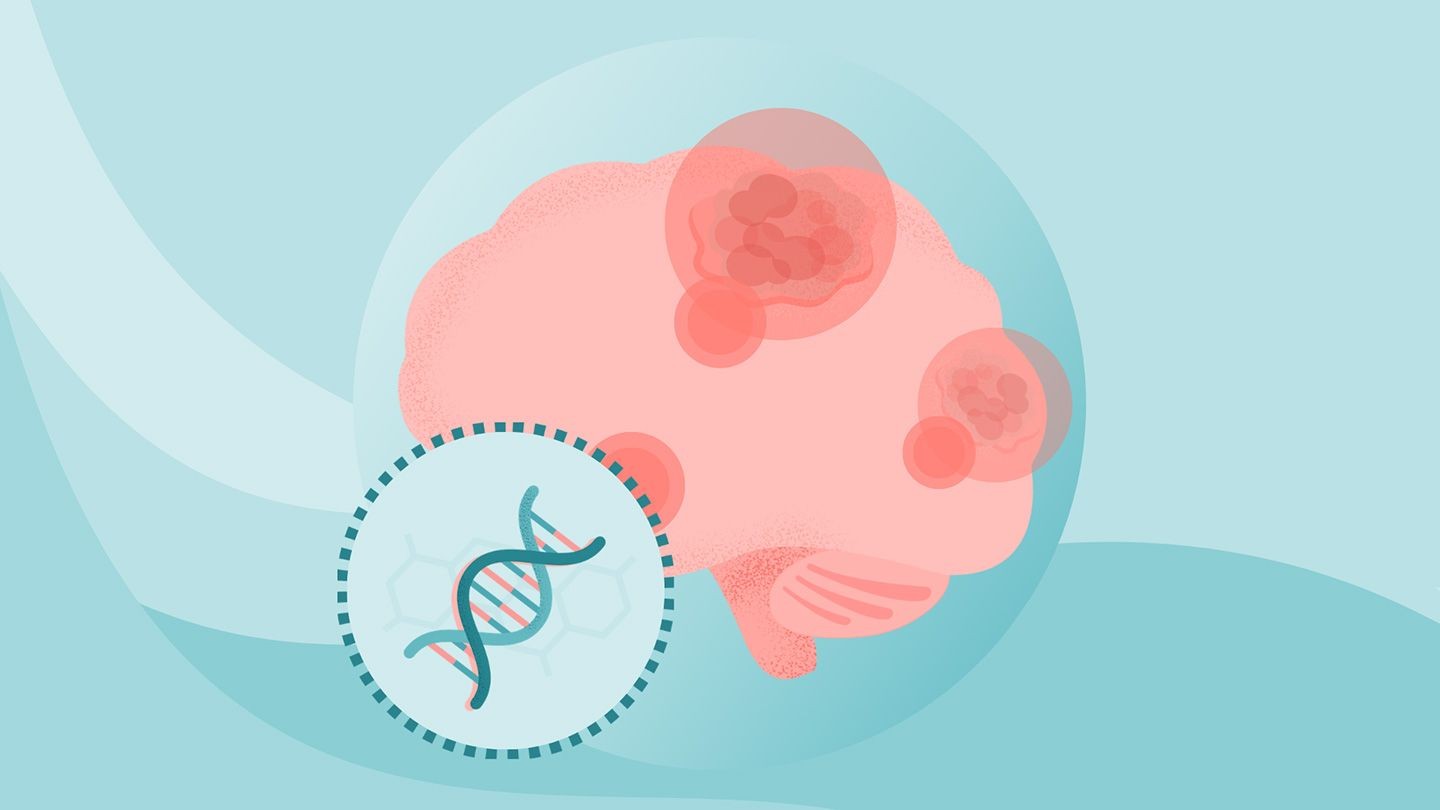
It is genetic. You inherit it. The neurons die, one by one, and the brain forgets how to hold itself together.
Huntington’s is rare, roughly four people in every hundred thousand worldwide, but for those caught in its web, the damage is total. Uncontrolled movements. A decline in intellect. Psychiatric storms that rage without warning.
There is no cure. Treatment is just damage control—palliative measures to make the days slightly less miserable. You manage what you can, accept what you can’t.
Adult vs. Juvenile: The Age of Onset
When do the lights flicker out? Usually, it happens when life should be stabilizing. Most people hit symptoms in their thirties. Forties. This is the “adult-onset” version, the standard track of destruction. It’s unusual to see it after sixty, though if it does, doctors call it late onset.
Then there is the juvenile form. The early onset. It’s rarer, crueler in its suddenness. Before ten, or between ten and eighteen, the brain begins its unraveling. It’s different, too—more stiffness than jitteriness. Kids aren’t given this break. They are often misdiagnosed. ADHD. Autism. Behavior problems. By the time the genetic reality sets in, the foundation has already cracked.
The Symptom Spiral
Huntington’s doesn’t just arrive. It creeps in.
Early Stage
Irritability comes first. Then paranoia. Apathy. The smell of the world might fade, literally; you can no longer detect odors. Balance slips. You become clumsy in a way that wasn’t there before. Hallucinations appear at the edge of vision.
Middle Stage
The body loses its script.
Chorea. That’s the word. Involuntary, jerky, unpredictable movements. You look restless, fidgety, as if buzzing with anxiety you don’t actually feel. Dystonia sets in—muscles locking, twisting. Walking becomes a negotiation. Reaction times slow. You lose weight, not by diet, but by metabolism burning through effort. Speaking turns thick. The mood? Stubborn. Defiant. Broken.
Late Stage
Everything is heavier.
Bradykinesia means movement starts late and stops early. Rigidity. The jaw locks. Swallowing becomes a choking hazard. Severe chorea turns simple acts like drinking water into dangerous rituals. You need help. Everything needs help.
For children, the trajectory is sharper. Academic performance drops first. Then rigidity, not dancing. Seizures. A fact adults rarely face. Memory forms like sandcastles in the tide—they wash away faster. Progression is rapid. There is no pause button.
The Genetic Lottery
Why you?
Because of the HTT gene. Specifically, a mutation within it. It creates a protein called huntingtin. We still don’t fully know what this protein does, but we know neurons need it to survive.
The mutation is a stutter in the code. A sequence called CAG repeats too many times. The more repeats, the higher the risk. And the earlier it strikes.
It is autosomal dominant. Brutally efficient. One parent has it, each child rolls a 50% die. Heads, you get it. Tails, you don’t. Most patients have a parent who suffered before them. Occasionally, the mutation pops up de novo—a fresh break in a healthy line—but that is rare. More often, the repeats amplify as they pass down generations, landing younger, harder. Anticipation, in genetics terms.
Diagnosis: Confirming the Worst Fear
You don’t get Huntington’s by accident. You get it because it was waiting in your blood.
Diagnosis starts with history. Family trees matter. The neurologist watches how you move, tests reflexes, checks strength. They listen to your speech, test your balance. If your family screams Huntington’s, or your symptoms whisper it, the physical exam usually points the way.
Imaging helps, mostly by subtraction. MRIs and CT scans show the brain shrinking, the caudate nucleus wasting away. These pictures confirm the structural decay. But they also rule out the mimics—the tumors, the strokes, the other diseases that want to steal this one’s spotlight.
Psychiatric evaluations follow. Mood. Behavior. Coping. Because the mind suffers before the body admits defeat.
Genetic testing is the final word. It confirms the mutation. But for many, knowing the date of your own decline is its own punishment.
You can test before symptoms start. Predictive testing. If you carry the gene, the clock starts. Insurance may not cover it. It’s generally forbidden for under-18s. Who wants a teenager carrying this secret? Sometimes it’s done prenatally or during IVF, preventing the mutation before it even has a chance to breathe.
Treating the Untreatable
There is no medicine for the cause. There is only medicine for the effect.
Pharmaceuticals attack the symptoms, not the disease itself. They are scaffolding around a crumbling building.
- Chorea control: Vesicular monoamine transporter 2 inhibitors like deutetrabenazine (Aустедо) or valbenazine (Ingrezza). They dampen the jittering. Side effects? Sleepiness. Depression. Restlessness. Trade-offs, always trade-offs.
- Psychiatric support: Antipsychotics like risperidone or quetiapine help the mood, the agitation, the violence. They can also suppress movement. But be careful. They might make the rigidity worse. Drowsiness is a heavy blanket.
- Antiseizure meds: Clonazepam. Levetiracetam. These help mood and movement in ways not fully mapped.
- Antidepressants: SSRIs like sertraline or fluoxetine tackle the despair. Nausea and drowsiness join the party.
Therapy isn’t just talk. It’s function. Speech therapy preserves communication as muscles fail. Physical therapy builds balance to prevent falls—a major killer. Occupational therapists turn homes into safe zones, installing handrails, modifying bathing routines. Life becomes a series of adapted motions.
Mind-body work—dance, music—has little hard data backing it. But patients try. Why not? If it buys a moment of rhythm, it matters.
No Escape
Prevention is impossible. Not really. Genetics doesn’t care about diet or exercise.
If you carry the gene, your children face a coin flip every pregnancy. Genetic counselors help you navigate the moral minefield of knowing. They offer the test, then help you survive the answer.
The complications are physical, brutal. Swallowing difficulties lead to pneumonia. Falls cause fractures, head trauma. But the emotional toll is just as lethal. Depression. Despair. Suicide rates in the Huntington’s population dwarf the general average. It is a disease of the mind as much as the motor system.
Finding Anchors
You cannot face this alone.
The Huntington’s Disease Society of India has been fighting for fifty years. They have directories. Support groups. Centers of excellence where multidisciplinary teams treat the whole person, not just the genes.
For the young, the Huntington’s Disease Youth organization builds bridges. Camps. Online communities. It matters to talk to others who see what you see, who understand the shadow over your future.
The Family Caregiver alliance offers a lifeline to the spouses, the parents. They handle the financial planning, the legal knots, the exhaustion. They remind caregivers that their health matters, too.
There is no perfect ending here. No tidy wrap-up. Just days. Minutes. Moments of clarity before the fog returns. You plan for the fall, you brace for the loss, you look for support when the legs give out.
What happens next depends entirely on what you’ve left of yourself. And that changes, daily.