


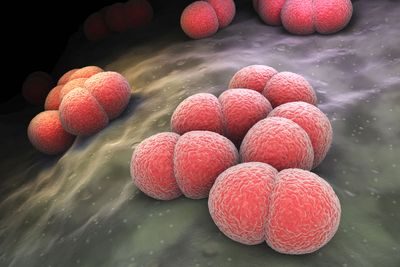
It starts with a rise in body temperature. Chills follow. Then comes a wave of weakness so deep that it feels as if your bones have turned to water. Sweat drips from the skin. Blood pressure drops. This isn’t just a bad flu. This is an early warning sign of septicemia, a serious condition where bacteria enter the bloodstream.
Although the term is often used interchangeably with sepsis, there is a technical difference. Septicemia specifically refers to bacteremia – the actual presence of bacteria in the blood. The body’s immune system works at full speed to fight these invaders. Gram-negative bacteria are common culprits. They release toxins that trigger a chaotic immune response. This reaction causes extensive clotting in blood vessels.
Blood clots block blood circulation. Organs and tissues begin to starve for oxygen. The system is starting to fail.
Why hospital infections are getting worse
If you’ve recently had surgery or are recovering from another infection, your risk is higher. The development of septicemia in this context means a critical failure. The body’s natural defenses were bypassed. The infection escaped local control. Immediate medical intervention is no longer optional; it is urgent.
The landscape of this disease has changed. The incidence is increasing. Severity increases. Two main factors drive this development. First, medical technology has become more invasive. Catheters, ventilators and surgical implants provide access for pathogens. Second, hospitals are breeding grounds for antibiotic-resistant bacteria. The tools we use to save people also provide opportunities for the spread of resistant strains.
Treatment challenges and mortality risks
It is difficult to identify the specific pathogen. Often, septicemia is not caused by a single microorganism. It can be caused by multiple infections at the same time. This complexity prevents narrowly targeted therapies. Doctors often have to rely on broad-spectrum antibiotic therapy to cover all bases.
Time is the enemy. If the disease is not treated quickly, it progresses to septic shock. This is a condition of dangerously low blood pressure that does not respond to standard fluid resuscitation. Mortality from septic shock is over 50 percent.
Treatment requires a two-pronged approach. You need appropriate antibiotics to kill the bacteria in the blood. Surgical drainage is also necessary if sources of infection, such as an abscess or infected tissue, are evident. Without addressing the source, antibiotics may not be able to effectively fight the infection.
The transition from fever to organ failure is rapid. Survivors often have long-term health effects. The window for effective intervention is narrow. Early recognition of the signs—fever, chills, low blood pressure, confusion—can mean the difference between recovery and tragedy. But for many, the damage has already been done by the time they arrive at the hospital. The question remains: can we slow the growth of resistant bacteria before they become untreatable?


