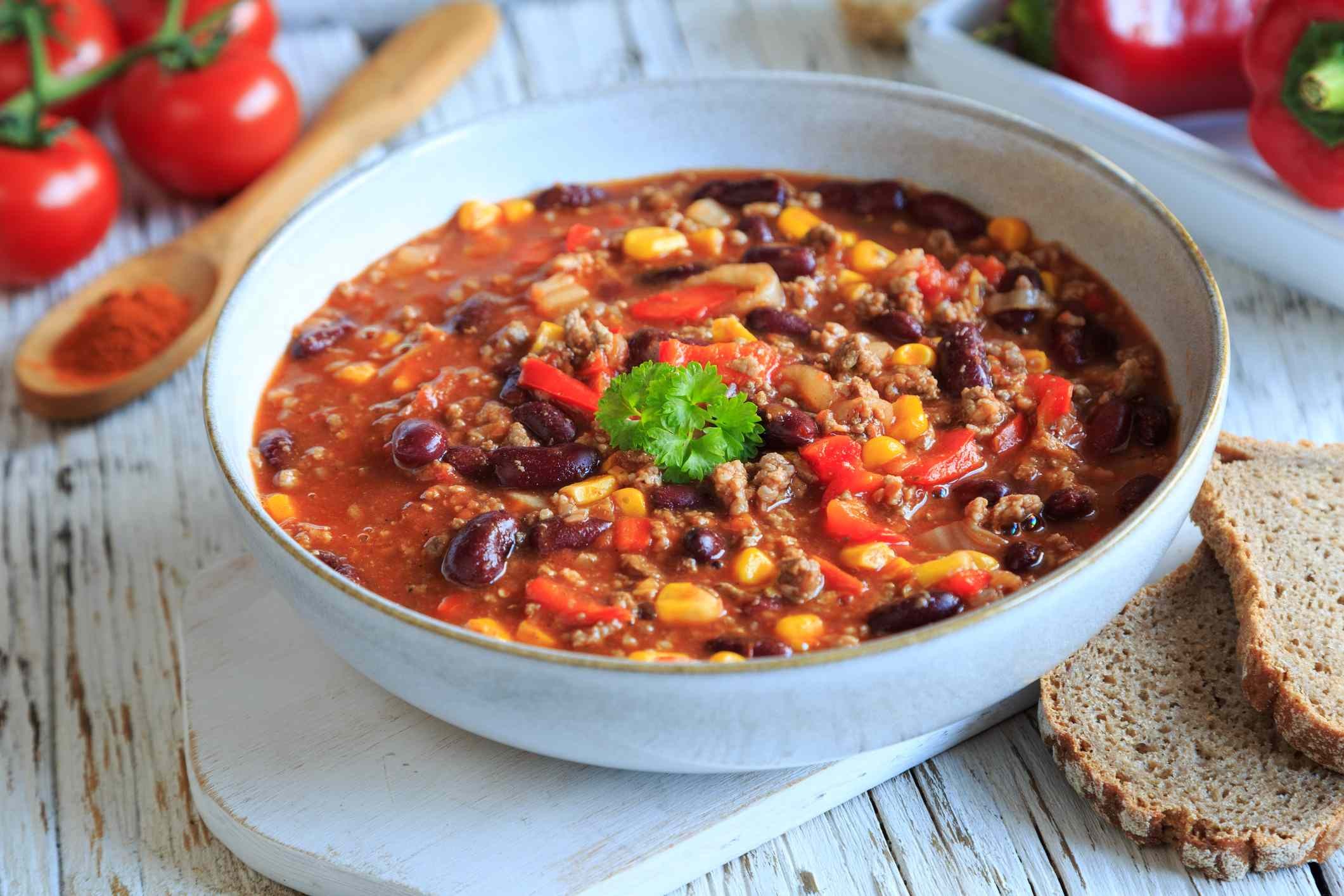
You put it in your bowl. The bowl holds meat. Beans. Tomatoes. And usually, something spicy enough to make your nose run. It’s a comfort food. It’s also, depending on how you make it, either a nutritional powerhouse or a salt-laden bomb.
Regularly eating chili isn’t just about warmth. It’s chemistry. You’re mixing protein, antioxidants, fiber. It lands somewhere in the middle of helpful and harmful. Let’s look at why.
Heart Health Gets a Lift
Chili might actually help your heart. Or at least, it won’t hurt if you’re careful. Beans carry soluble fiber. That fiber turns to gel in the stomach. Digestion slows. Cholesterol drops.
Then there’s the tomato. It brings lycopene. An antioxidant that fights inflammation. It keeps blood pressure lower. High blood pressure kills. So does clogged arteries. Lycopene fights back.
Sugar Levels Stay Flat
Here’s where the mix matters. Animal protein plus plant fiber equals slow digestion. Glucose doesn’t spike into your blood like it would with plain carbs. Fiber grabs carbohydrates. Protein signals hormones for fullness.
Result? Steady energy. No crash. For diabetics or those worried about risk, this structure helps manage the disease. Or lowers the chance of getting it. It keeps things steady.
Metabolism Takes a Spark
Add spice. Actually add heat. The capsaicin in chili peppers triggers thermogenesis. Your body produces heat. It burns energy. Briefly, at least.
Want to lose weight? Burning more calories helps. Better metabolism helps. It even touches hormone balance and general energy. It’s not magic, but it’s a push in the right direction.
Capsaicin turns food into heat. Heat costs calories.
The Bad News Isn’t Silent
Health benefits sound nice until you look at the ingredients. Many people make chili wrong. Not badly, but inefficiently.
Too much salt? Yes. Canned beans are a sodium minefield. High sodium means high blood pressure. Stroke risk goes up. Heart disease risk goes up. It’s simple physics of pressure.
Too much fat? 80/20 beef? Short ribs? Pork shoulder? These are heavy on saturated fats. Add bacon. Add sausage. Now the saturated fat skyrockets. LDL cholesterol—the bad kind—climbs. Clogged arteries follow.
Then there’s the burn. Capsaicin hurts the stomach lining. If you eat too much spice, you get cramps. Heartburn. Acid reflux. Diarrhea. Sensitive stomachs hate this. If you have IBS or GERD, the heat is likely an enemy, not a friend.
So it boils down to this. The ingredient list is everything. You can fix the salt. You can trim the fat. You can tone down the spice. Or you can ignore it all. Your body will remember.
Make It Less Trash
If you want the health benefits without the risks, adjust the bowl. Swap the processed meat. Drain the cans or use dried beans. Watch the salt. Control the heat.
It takes more effort. But it pays off. Or doesn’t. That’s on you.