Every week. Millions of people sit down. They voluntarily give up an hour to watch health crises unfold on a screen.
Think about that. No government poster. No frantic news alert. No public health campaign can match that kind of captive audience. We treat television as leisure, not intervention. Wrong move.
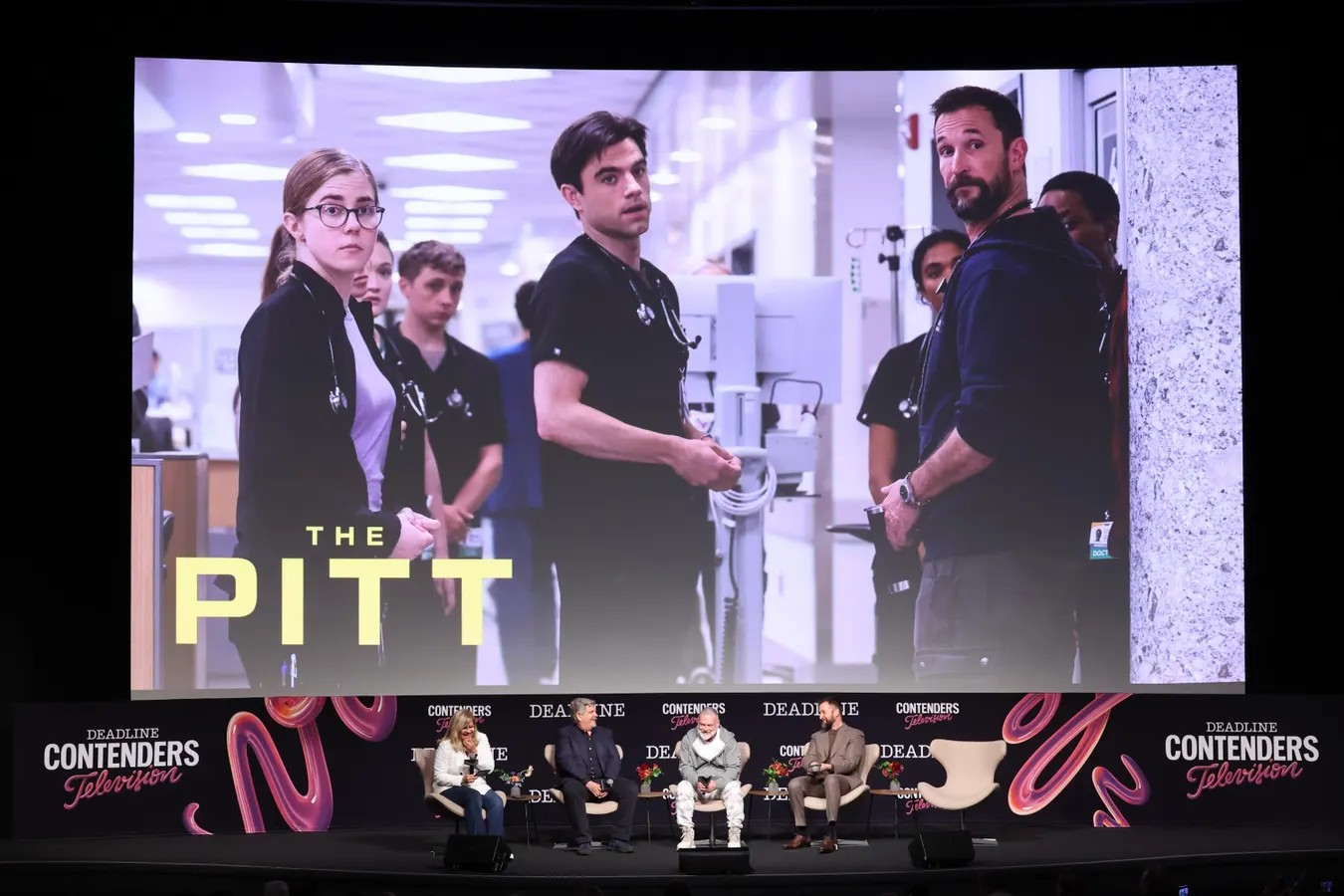
‘The Pitt’ isn’t just getting Emmy nominations, though twenty-five of them is no joke. The awards are shiny but the real impact is quieter. It is preparing us for the worst days of our lives before they happen.
Science finds the cure. Stories give you the guts to take it.
Agencies burn billions trying to fix us with facts. Websites. Brochures. PSA ads. Important? Yes. Effective? Barely. Information hits a wall. Stories walk through the door.
The Living Room Clinic
Television has always been a classroom, long before streaming made us binge.
Remember the eighties and nineties? Those “very special episodes.” They didn’t just show problems like drunk driving or HIV or teen pregnancy. They handed scripts to parents who didn’t have words. Families watched. They talked at the dinner table. They cried. Sometimes they argued. But the silence broke.
Then ‘ER’ showed up.
Fifteen seasons of Thursday nights. We didn’t just watch doctors; we lived with them. We learned about organ donation, trauma triage, physician burnout. No med school degree required. Just the TV remote.
Now ‘The Pitt’ picks up the slack. It is only two seasons in, but it is already honest in a way that hurts. It won’t pretend medicine is clean or heroic. It shows the overcrowded ERs. The violence against nurses. The shortage of staff. The weight of mental illness. The fog of misinformation.
Dignity on Screen
There is an episode about a sexual assault victim. Dana, a nurse, handles it.
The scene is brutal because it is tender. Every step is consent-based. The patient is in charge. The team protects dignity, not just evidence.
We have brochures for this. We have educational videos from advocacy groups. They are full of dry instructions on how a forensic exam works. You should watch them.
But can a brochure make you feel less afraid? Can a video give you courage? Probably not. Spending sixty minutes with Dana might change everything for a survivor who hasn’t lived that moment yet. It might help a parent know what to say. Or a friend know what to stay out of. It might even convince a young person to become a Sexual Assault Nurse Examine themselves, just by showing what dignity looks like.
We’ve seen this power before. Just not with scripts.
In 1994 Pedro Zamora walked into our homes via ‘The Real World’. HIV was a scary, stigmatized word then. He was real. He was dying. When he died hours after the finale aired the country mourned him like a friend. Not a statistic. A person. Research showed his appearance dropped stigma more than any PSA could.
Stories Have Teeth
Hollywood didn’t always do good.
For decades cigarettes were sexy. Humphrey Bogart. James Dean. DiCaprio in ‘Titanice’. Smoking meant rebellion, cool, confidence. It wasn’t harmless. It was recruiting. Studies showed kids who saw smoking on film started smoking IRL.
So people noticed.
Public health folks got mad and worked with the studios. Disney led the way. Cigarettes disappeared from movies for kids. My parents saw cartoon characters lighting up. My kids see none of it. That wasn’t an accident. It was a choice to admit that stories change behavior.
That’s what’s happening now.
Organizations like Hollywood, Health & Society at USC connect writers with experts. The Entertainment Industry Foundation bridges the gap between data and drama. They stop the misinformation. They help the narrative carry the truth.
We know vaccines work. We know seatbelts save lives. We know fluoridated water prevents cavities.
But do we know this?
Stories shape what we accept as normal. Businesses spend billions to tell you that buying a thing makes you happy. Politicians craft narratives to win elections.
Public health is behind. We rely on facts to tell us what to do. We need stories to give us the reason to do it.
Maybe we need to add storytelling to the list of life-saving tools. Right next to the syringe.
What will you watch tonight? And will it make you stronger, or just pass the time?