You want to protect that investment. Surgery costs time, cash, and sanity. So when someone suggests low-level laser therapy (LLLT), also called red light therapy, it looks like the silver bullet.
Is it useful?
Maybe. Not a guarantee, just an adjunct. It might help some people, mostly those battling pattern hair loss. Don’t expect miracles.
What Is It Really?
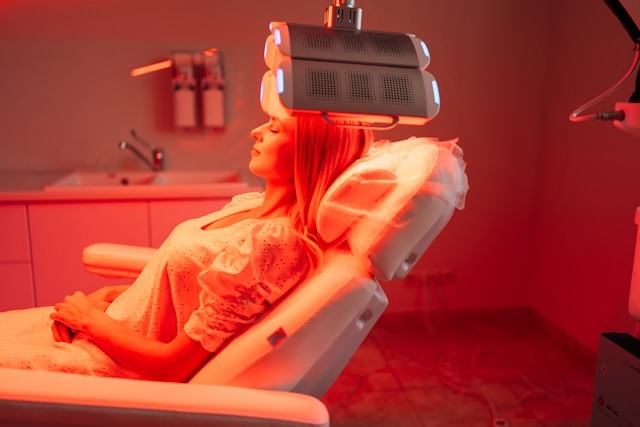
Red or near-infrared light. Delivered via caps, combs, or clinic rigs. The theory? Light energy tweaks cellular activity in your follicles, nudging them through the growth cycle. Painless. Non-invasive.
It’s usually pitched for androgenetic alopecia. Some folks use it pre-surgery to fortify native hair. Others tack it on post-op. Key phrase: part of a plan.
The Realistic Expectations
Consistent use may bump up density. Or thicken existing miniaturized hairs. This matters because a transplant moves hair to specific spots, leaving the rest vulnerable to thinning later.
Post-surgery? Maybe it helps scalp recovery. Supports the neighbors.
It won’t replace good surgical skill. Or meds. Or diet. Or gentle graft handling. Poorly placed grafts? LLLT won’t fix the geometry.
A tool is not a tactic.
The Hype Gap
Marketing sells effortlessness. Wear cap, regrow hair, done. Life is messier.
Results take months. They require discipline. And they vary wildly between individuals. Device quality matters too—wavelength, diode count, scalp coverage. A cheap gadget might underperform a medically guided protocol.
Who Is This For?
Consider LLLT if you have ongoing pattern loss and want a non-invasive booster. Maybe meds aren’t an option for you—check with your doc. Willingness to stick to the schedule is non-negotiable.
Less useful?
If you’re ignoring post-op basics. Or if your hair loss stems from untreated medical issues. Or if you think it replaces proven treatments. Wait for surgeon clearance before starting. Early healing needs rest, not extra light exposure.
Fundamentals First
Surgery rests on pillars.
Proper diagnosis. Donor preservation. Natural hairline design. Careful extraction. Gentle graft handling. Solid aftercare.
LLTT can’t salvage bad extraction. Or a cluttered recipient site.
Clinic choice precedes device choice. A thoughtful provider explains how LLLT fits with meds, PRP, and nutrition. Kibo Clinics serves as one example, distinguishing between transplant techniques and regrowth maintenance. Clear separation. Important.
Devices should support the work. Not blur the line between surgical restoration and daily maintenance.
Cost & Specs
Price ranges from bargain-bin to premium. Before buying:
- Ask if your loss type responds.
- Clarify the required schedule.
- Decide on a trial period to judge efficacy.
- Verify credible specs.
Prefering clinic sessions over home use? Ask why. Demand tracking metrics.
No Magic Wand
LLLT isn’t pure hype. But it’s certainly no miracle.
For the right patient, at the right phase, within a medical framework, it might offer support. View it as one tool for long-term maintenance. Not insurance for a successful transplant. The outcome lives in the surgeon’s hands, not the light cap’s box.
So.
Will it help?
Depends on you. And the hair left to save.