When most people think about metabolism, they view it as a simple equation of calories in versus calories out. However, biological reality is more nuanced: not all calories are created equal. The energy your body requires to process food—a process known as the thermic effect—varies significantly depending on the macronutrient you consume.
If you are looking to optimize your metabolic rate and improve overall health, protein stands out as the most effective dietary tool.
The Science of Thermogenesis
The primary reason protein excels at “revving up” the metabolism is a phenomenon called dietary thermogenesis. This refers to the energy the body must expend to digest, absorb, and metabolize nutrients.
Different macronutrients require different amounts of “work” from your body:
- Protein: Has a high thermic effect of roughly 20–30%. This means if you consume 100 calories of protein, your body uses about 20 to 30 of those calories just to process the food, leaving you with a net of 70 usable calories.
- Fats: Have a thermic effect of nearly 0%. Consuming 100 calories of fat provides 100 calories of usable energy to the body.
- Carbohydrates: Fall somewhere in between, but generally require much less energy to process than protein.
By substituting fats or carbohydrates with protein, you can effectively increase your daily calorie burn even without changing your total caloric intake.
Beyond Calorie Burning: Metabolic Health
Protein does more than just increase heat production; it serves as a fundamental building block for metabolic stability. It influences two critical areas: blood sugar regulation and muscle preservation.
1. Blood Sugar Stability
Protein slows down the rate of digestion. When eaten alongside carbohydrates, protein helps moderate the speed at which sugar enters the bloodstream. This prevents the sharp “spikes and crashes” in blood glucose that can lead to energy slumps and increased hunger.
2. Muscle Mass and Resting Energy
Protein provides the essential amino acids necessary for muscle protein synthesis. This is vital because muscle tissue is metabolically active. Unlike fat, muscle burns more calories even while you are at rest. By building and maintaining muscle, you increase your baseline metabolic rate, making weight maintenance easier in the long term.
Choosing the Right Protein Sources
While various foods provide protein, their “quality” is often determined by their amino acid profile—the specific building blocks that the body uses to repair tissue.
- Animal-Based Proteins: Sources such as meat, seafood, dairy, and eggs are considered “complete” proteins. They offer a superior ratio of essential amino acids, including leucine, which is a primary driver of muscle growth.
- Whey Protein: As a highly researched supplement, whey protein isolate is particularly efficient. Because it is processed to remove much of the fat and lactose, it provides a concentrated, bioavailable dose of protein that supports both muscle synthesis and blood sugar control.
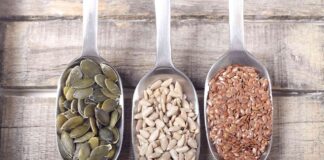
- Plant-Based Proteins: Foods like tofu, lentils, nuts, and seeds are excellent nutritional choices. However, they often lack the amino acid diversity or density found in animal products. While they are healthy, achieving optimal protein goals on a purely plant-based diet may require more intentional meal planning.
The Bottom Line: To improve metabolic efficiency, prioritize protein. Whether through whole foods or high-quality supplements, increasing your protein intake supports thermogenesis, stabilizes blood sugar, and helps maintain the muscle mass necessary for a healthy metabolism.