


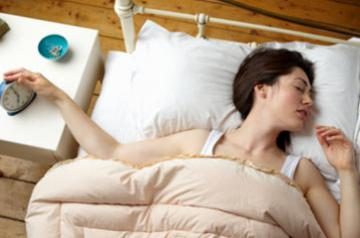
Most people assume sleep is automatic. It happens every night, after all. But try falling asleep on command when your brain is still revving at highway speeds. You likely can’t.
Take Henry. He works hard, then works harder after clocking out. He tries to fit every errand and desire into the few hours between quitting time and his eventual exhaustion. He waits until the last possible moment to think about bed. That is a critical error.
He expects to brush his teeth, pull back the covers, and close his eyes—and suddenly be in deep, restorative sleep. It doesn’t work that way. His body and mind have been sprinting all day. Slamming on the brakes doesn’t stop momentum instantly. If you don’t prepare for rest, you won’t get it.
More than half of U.S. adults report sleep issues. Part of the problem is the lack of preparation. Sleep hygiene isn’t about luck. It is about deliberate actions starting long before you hit the pillow.
Build Your Sleep Strategy Early
You cannot start preparing for sleep when your head hits the pillow. The process begins when you wake up.
Your daily choices dictate your nighttime recovery. Small decisions about movement, light, and stress management compound over hours. Good sleep hygiene starts with morning habits. It continues with afternoon routines. It ends with evening rituals.
Ignoring these phases guarantees poor outcomes. You might survive. You won’t thrive.
The Four Pillars of Effective Sleep
Maximizing sleep time requires a structured approach. Experts identify four main considerations for better rest:
- Preparation throughout the day : Your circadian rhythm responds to daily cues.
- Scheduled sleep patterns : Going to bed and waking up at consistent times.
- Pre-sleep relaxation habits : Techniques to lower physiological arousal.
- Environmental control : Optimizing your bedroom for rest.
Why Morning Exercise Matters
One of the most effective ways to set up nighttime rest is through physical activity. Exercise helps regulate your body clock. It reduces stress hormones. It builds sleep drive.
However, timing matters. Working out too close to bedtime can keep you awake. The right workout at the right time helps you fall asleep faster.
Start Your Routine Now
You have choices every day. They affect your energy levels and your ability to rest.
Making wise choices doesn’t require a major life overhaul. It requires consistency. It requires recognizing that sleep is a skill. You can learn it. You can improve it.
But you have to start early. Waiting until you are exhausted is too late.
“Sound sleep is not magic. It is a result of preparation.”
Most people skip the preparation. They wonder why they are tired. They wonder why they can’t shut off. The answer lies in the hours before bed.
It lies in the choices you make while the sun is still up.
Exercise is just one piece. Light exposure is another. Caffeine intake is a third. All of these factors interact. Ignoring them leads to fragmented rest. Paying attention to them leads to recovery.
Henry didn’t prepare. He just hoped. Hope isn’t a strategy.
You need a plan. You need to treat your sleep environment with the same respect you treat your work environment. You need to schedule rest like you schedule meetings. You need to relax like it’s part of the job.
The science is clear. The method is simple. The execution is hard.
Most people fail at the execution. They don’t see the link between their morning coffee and their midnight staring. They don’t connect their afternoon stress to their nighttime anxiety.
But the connection is there. It is always there.
If you want to know how to fall asleep faster, stop waiting for the night. Start preparing in the morning. Start preparing during the day.
The rest will follow. Maybe.
Why Your Workout Timing Dictates Your Sleep Quality
Most people skip the gym because they are exhausted. It feels like a catch-22. You need sleep to have energy for exercise. You need exercise to get better sleep. The loop is frustrating. But the link is real.
We all know exercise is good. That is why we intend to do it. We rarely follow through.
Regular physical activity strengthens the heart. It lowers blood pressure. It builds bone density and muscle mass. It reduces stress. It improves mood. Now we add another benefit to the list. Exercise promotes deeper sleep.
The catch is timing. And type.
When to Exercise for Better Sleep
People often ask when is the best time to work out for sleep. Morning? Afternoon? Evening?
Exercising vigorously within three hours of bedtime is a bad idea. It sounds counterintuitive. You think a hard workout will tire you out. It does not. It stimulates your heart. It wakes up your brain. It activates your muscles. This is the opposite of what you need for rest.
It also raises your core body temperature. Your body needs to cool down to fall asleep. If you spike your temperature right before bed. You fight that natural dip. You stay awake.
Morning Light and Evening Intensity
Morning exercise helps with stress and mood. This indirectly helps sleep. But there is a direct method. Combine morning exercise with outdoor light.
Natural light in the morning reinforces your circadian rhythm. It tells your body when to wake up. It sets the clock for when to sleep later.
For a direct boost to sleep onset. Aim for vigorous exercise in the late afternoon or early evening. This timing works best. It raises your body temperature a few hours before bed. Your body then starts to cool down as you get ready for sleep.
That drop in temperature is a signal. It eases you into the night.
The Cardio Connection
The specific type of exercise matters. We are talking about cardiovascular work. This means keeping your heart rate up. Your muscles must pump continuously. Do this for at least 20 minutes.
Strength training is good. Stretching is good. Yoga is good. None match the sleep benefits of cardio.
You need to schedule this. Aim for twenty minutes. Do it three or four times a week.
Pick something you enjoy. Walk to work. Walk the dog. Jog. Swim. Bike. Ski. Jump rope. Dance. Play tennis. Just make it part of your routine.
Safety First
If you have serious medical conditions. If you are significantly overweight. If you have not exercised in years. Talk to your doctor before you start.
Do not dive in. Start slowly. Gradually increase your time and intensity. Avoid injury.
Regular exercise helps you feel better. It helps you look better. It helps you sleep better.
The relationship between sunlight and your sleep-wake cycle is complex. We will explore that next.
Disclaimer: This content is for informational purposes only. It is not medical advice. The editors, authors, and publishers do not take responsibility for any consequences from treatment, exercise, or medication. This does not replace the advice of a physician. Consult a healthcare provider before starting any new exercise or treatment plan.
Why Morning Light Fixes Your Sleep Cycle
It feels backwards. You think you need darkness to sleep, so you stay up late and hide from the sun. Yet getting sunlight first thing in the morning is the most reliable way to guarantee better sleep that night.
Light is the primary signal your brain uses to distinguish day from night. You know this intuitively. Turn on a bright lamp at 2 a.m. and your sleepiness vanishes. But the timing matters immensely. Morning light doesn’t just wake you up; it resets the internal timer.
Your biological clock isn’t perfect. It has a natural tendency to drift forward. This “free-running” rhythm is longer than 24 hours. If you stay up late and hit snooze until noon, you feed that drift. Your internal clock shifts. Suddenly, falling asleep at 10 p.m. feels impossible. Your body thinks it is still early evening.
Morning light acts as a reset button.
It forces your circadian rhythm back into alignment with the earth’s 24-hour cycle. Without this daily reset, your sleep-wake cycle desynchronizes. Research on people who spend extended periods without natural light shows dramatic disruptions. Their sleep patterns fragment. Their body temperature rhythms flatten. Their hormone cycles go haywire.
You don’t need to be in a cave to suffer. Just getting less morning light than you need can make it harder to fall asleep and wake up when you want to.
The Right Kind of Light
Not all light is created equal. Your circadian system is most sensitive to sunlight between 6 a.m. and 8:30 a.m. Light exposure later in the day does not provide the same resetting benefit. In fact, bright light too close to bedtime can delay sleep onset.
The type of light matters, too. And so does the duration. Direct sunlight outdoors is superior. You need at least thirty minutes to get a meaningful physiological response. Indoor lighting, no matter how bright, has minimal effect on your circadian clock. The intensity and spectrum simply aren’t there.
This is why morning sunlight for sleep regulation is so specific. It’s not just about being awake. It’s about hitting the photoreceptors in your eyes with the right spectrum of light at the right time.
Can Light Boxes Replace the Sun?
You might wonder about alternatives. Specially designed light boxes and visors are available. Doctors often prescribe them for Seasonal Affective Disorder (SAD), a type of depression linked to shorter days in winter.
These devices mimic sunlight. But they are not quite the same. Even the most powerful clinical light box does not provide as much phototherapy as thirty minutes outside on a cloudy day. The full spectrum of natural light, combined with the context of being outdoors, appears to be more effective.
You can’t control the weather. You can’t control the sunrise. But you can control your morning routine. Go outside. Sit by a window. Let the light hit your face.
It resets the clock. It keeps the drift in check. And it sets you up to sleep better when the sun goes down.
Stress is another factor. How does anxiety mess with your sleep? We will look at that next.
This content is for informational purposes only. It is not medical advice. Consult a healthcare professional before making changes to your sleep habits or light exposure routines.
Why Chronic Stress Ruins Your Sleep (And How to Fix It)
You know the feeling. You’re exhausted. Your body is begging for rest. But your mind is racing. It’s not just that stress makes sleep hard. It’s that we don’t get used to it. Unlike a bad smell, you can’t build up a tolerance for anxiety.
Think about moving into a house near a smelly factory. At first, the odor is annoying. You notice it every second. After a few weeks? You stop noticing it. You become conditioned to the stench. It might still be toxic. It might still be harmful. But your brain filters it out.
Stress works the same way.
We live in a high-pressure world. Hurried schedules. Traffic jams. Family demands. The constant bombardment dulls our senses. We stop realizing how stressed we actually are. We only notice when something breaks. A health scare. A mental breakdown. The “last straw.” But that constant, low-level exposure is quietly wrecking our sleep and our overall health.
Managing Stress vs. Avoiding It
Here is a hard truth: you cannot avoid stress. As long as you are breathing, you will face difficult situations. The goal isn’t to eliminate it. The goal is to manage it.
Management starts with a simple exercise. Draw a line. On one side, list what you can control. On the other, what you can’t.
Take a work deadline. Did your boss set an unrealistic date? You can’t change the boss. You can’t change the date. That is out of your hands. But you can control your response. You can choose how to tackle the project. You can choose your mindset. Focusing on your reaction puts you back in the driver’s seat.
The Physical Cost of Unresolved Stress
Therapists often say your body is the best early warning system. Pay attention to physical cues. Tight shoulders. Clenched jaw. Restlessness. If you catch these signs during the day, you can intervene. You can stop the stress from hijacking your night.
Why does daytime stress keep you awake at night?
Have you ever crawled into bed, drained from a terrible day, only to spend hours staring at the ceiling? That’s your mind replaying the day’s events. Unprocessed emotions rise to the surface in the quiet.
When you dwell on these events, your body reacts. The brain triggers the fight-or-flight response. It releases hormones that heighten alertness. This is useful if you’re running from a dog or swerving to avoid a car.
It is not useful when you are trying to sleep.
That heightened state of alertness prevents relaxation. You are physically ready for action, but mentally trapped in the past. The solution is to process stressors immediately. Deal with them when they happen. Don’t let them pile up until bedtime.
Napping and Nighttime Rest
You have control over your sleep habits. You have control over your stress response. You also have control over naps.
How does daytime napping affect your ability to fall asleep at night? That’s a different conversation. We’ll look at that next.
This information is for educational purposes only. It is not medical advice. Consult a healthcare provider before making changes to your routine.
The Timing Trap of Daytime Rest
Napping is a polarizing subject. For some, it’s the ultimate productivity hack. For others, it’s the enemy of a good night’s rest. The truth is that napping isn’t inherently good or bad. It’s about timing.
The biological urge to sleep hits hardest roughly eight hours after you wake up. This isn’t just willpower failing. It’s your body temperature dropping during the first of two daily dips. The second dip is much more dramatic and happens at night.
A short burst of sleep can restore energy. A long one can ruin your night.
How Long Should You Nap?
To get the benefits without the penalty, keep it simple. Take a nap no later than mid-afternoon. Keep it under thirty minutes.
Why thirty minutes? Because longer naps push your body into deeper sleep stages. Waking up from deep sleep leaves you feeling groggy. This is known as sleep inertia.
If you are severely sleep deprived, skipping a nap might be impossible. In that case, commit to a full sleep cycle. Most people take about ninety minutes to complete one cycle. It’s better to sleep for ninety minutes and feel refreshed than to wake up thirty minutes in and feel terrible.
Strategic Napping for Late Nights
You can also use naps to manage anticipated sleep deficits. Say you know you’ll be up late for a special event.
Take a prolonged nap earlier in the day. Two to three hours works well. This strategy has been shown to reduce fatigue at your normal bedtime. It also improves alertness later on.
There is a catch. It may throw off your normal sleep rhythm temporarily. But for a one-off event, the trade-off might be worth it.
Building a Nap Rhythm
If you find yourself needing a nap every single day, consistency is key. Take your nap at the same time each day. This helps your body develop a rhythm. Your internal clock can then incorporate the rest period.
What if you try to nap and can’t sleep? Don’t stress. Just resting with your eyes closed can help. It restores some alertness and energy even without full sleep.
“If you try to take a nap but are unable to sleep, simply resting with your eyes closed may help restore some alertness and energy.”
What Comes Next?
Your eating habits also play a role in your sleep cycle. How you fuel your body influences how you rest. The next section covers how a healthy eating pattern can lead to better sleep.
This information is for educational purposes only. It is not medical advice. Neither the Editors of Consumer Guide (R), Publications International, Ltd., the author, nor the publisher take responsibility for consequences from any treatment, procedure, exercise, dietary modification, action, or application of medication resulting from reading this information. This publication does not constitute the practice of medicine. It does not replace the advice of your physician or other health care provider. Before undertaking any course of treatment, seek the advice of your physician or other health care provider.
Shifting Your Meal Timing for Better Rest
The direct link between what you eat and how you sleep is not fully mapped out. It remains unclear how much of a direct effect diet has on sleep. However, the consensus is straightforward. A varied diet rich in fresh produce, whole grains, and lean proteins supports optimal bodily function. It also helps ward off chronic conditions like heart disease.
Controlling portion sizes matters. You need to ingest only enough calories to maintain a healthy weight. This practice helps keep conditions like diabetes at bay. Since chronic diseases and their treatments often disrupt sleep, eating wisely safeguards both your health and your rest.
Adjusting your eating routine may also help you get a better night’s sleep. Most people in this country eat a light breakfast, a moderate lunch, and a large meal in the evening. Yet leaving the largest meal to the end of the day may not be the best choice. It can result in uncomfortable distention and possibly heartburn when you retire for the night.
Try reversing that pattern.
A Sleep-Friendly Meal Plan
Eat a substantial breakfast. You are breaking your nighttime fast here. You need the nutrients for energy throughout the morning. Make breakfast your largest meal. Whole-grain breads and cereals work well. Yogurt and fruit are also solid choices.
Opt for a moderate lunch. Choose brown rice, pasta, or whole-grain bread. Pair it with a serving of protein. Fish, eggs, chicken, meat, or beans all fit.
Finish with a light dinner. It is particularly important to eat lightly for your evening meal in order to prepare for a good night’s sleep. Plan to finish your meal at least two hours before going to bed. Preferably longer. If you need a little something to eat before you hit the sack, look for suggestions for late-night snacks elsewhere.
Managing Stimulants and Fluids
Reduce or eliminate caffeine. Especially in the late afternoon and evening. Caffeine is a stimulant. That is why so many of us reach for that cup of coffee in the morning to get us going. And it’s true that some individuals can drink caffeinated beverages all day long and still sleep soundly at night. But if you’re having trouble sleeping, then limiting your caffeine intake should be one of the first steps you try to help improve your sleep.
Be aware that coffee is not the only source of caffeine. Many sodas and teas contain it. Chocolate does too. Some medications, especially those for headaches, also contain caffeine. Check labels to help eliminate such sources of stimulation.
Some people are sensitive to monosodium glutamate (MSG). This flavor enhancer and preservative can cause digestive upset. It can trigger headaches and other reactions that can interfere with sleep. MSG is found in some processed foods and in some Asian foods. Try avoiding foods that contain MSG to see if it helps you sleep better.
Drink the majority of your fluids for the day by the end of dinner. A full bladder may be cutting into your sleep time. Drink plenty of water throughout the day. Water is essential to healthy bodily functions. Shoot for eight glasses, or two quarts, per day. But be sure to drink the majority of your fluids before dinnertime so you won’t be making numerous trips to the bathroom during your sleeping hours.
Skip the alcohol. Despite making you feel drowsy, alcohol may actually be disturbing your sleep.
Your overall daily routine, not just your eating routine, also has an impact on sleep. Learn how on the next page.
This information is solely for informational purposes. IT IS NOT INTENDED TO PROVIDE MEDICAL ADVICE. Neither the Editors of Consumer Guide (R), Publications International, Ltd., the author nor publisher take responsibility for any possible consequences from any treatment, procedure, exercise, dietary modification, action or application of medication which results from reading or following the information contained in this information. The publication of this information does not constitute the practice of medicine, and this information does not replace the advice of your physician or other health care provider. Before undertaking any course of treatment, the reader must seek the advice of their physician or other health care provider.
Why a Fixed Sleep Schedule Matters for Adult Energy
We treat sleep like it’s optional. We treat it like something that happens to us, rather than something we actively manage. It isn’t. Our biology craves regimentation. It might feel unnatural to schedule your sleep with the same rigidity you apply to a work meeting or a dentist appointment. But establishing a fixed window for rest is one of the most effective ways to improve your nightly recovery.
Establish a Bedtime Ritual
Most of us have a morning routine. We brush our teeth. We drink coffee. We check emails. These actions signal to our brains that the day has begun. Why not build an equivalent signal for the end of the day?
A bedtime ritual sends a clear message to your nervous system. It says: Stop. Wind down. Prepare.
You likely already have habits you perform at night. Flossing. Lowering the thermostat. Setting your phone to silent. The goal is to chain these together. Perform them in the same order. Every single night. Consistency creates a Pavlovian response. Your body begins to anticipate sleep before your head even hits the pillow.
Avoid stimulation. Do not assemble furniture. Do not review your monthly bills. Do not argue with your partner. These activities spike cortisol and adrenaline. They are the enemy of rest. If you need to tackle these tasks, do them in the early evening. Finish them with enough time left to transition smoothly into your bedtime ritual.
This routine provides closure. It gives your day an endpoint. When you have a clear end, you can let go of the day’s stressors. You go to bed with a quieter mind. That matters.
The Power of Regularity
Some people think rigid sleep schedules are for children. They assume that adults need the flexibility to stay up late or sleep in on weekends. That flexibility is exactly what breaks your internal clock.
Staying regular is about waking up and going to bed at the same time every day. Even on Saturdays. Even on Sundays. This regularity sets your circadian rhythm—the internal sleep-wake clock that regulates hormones, body temperature, and alertness.
Within weeks of maintaining a stable sleep-wake schedule, you will notice a shift. You will feel more alert. Not just rested, but sharp. The quality of your sleep improves. But the benefits extend beyond the bedroom. Your daytime energy stabilizes. Your mood likely improves. Your cognitive function gets a boost.
Try it for six weeks. Just six weeks of consistent timing. The difference in your daily energy and alertness will be stark.
Your nightly ritual is just one tool. There are other methods to prepare your body for rest. We will look at those next.
This information is for educational purposes only. It is not medical advice. Consult a physician before making significant changes to your health routine.
The One-Hour Window That Defines Your Sleep
The day is done. You’ve managed the light exposure. You’ve timed the caffeine. Now comes the hardest part: the hour before your head hits the pillow.
It’s not just about closing your eyes. It’s about cooling down the engine.
That final sixty minutes is the most critical window for sleep quality. Used correctly, it helps you shed the day’s stress. It signals safety to your nervous system. Used poorly, it sets you up for a night of staring at the ceiling.
You need to experiment. Not with medical doses, but with behaviors. Find what works. Because if you rush into bed with a racing heart, sleep won’t come.
Creating an Atmosphere of Calm
The goal is simple. Create an environment of peace.
Your mind and body need to shift from “doing” to “being.” Quiet, pleasurable activities work best here. They build a sense of inner well-being that allows sleep to arrive quickly.
Most people fall into one of these patterns. Try them. See what sticks.
Read to unwind
But pick your material carefully.
This isn’t the time for complex problem-solving. You don’t want to crack open a new software manual or read the financial section of the news. That stimulates the analytical brain. You want to dull it, slightly.
Choose light reading. A popular magazine. A short story. Devotional texts. Something that flows. Something easy.
Listen to calming sounds
Music is powerful. It can pull you under or push you up.
Soft instrumental music usually has the most calming effect. It’s background noise that doesn’t demand attention. Hard-driving rock or pop? Often too stimulating. If the beat is familiar, your brain latches onto it. You become more awake.
Nature sounds are another option. Rain. Waves. White noise. Whatever slows your pulse.
Meditate or pray
These practices help many people relax. They also help you process what’s on your mind.
You’re not trying to achieve enlightenment. You’re trying to achieve neutrality. Peace with whatever thoughts are circling.
Television is tricky
Watching TV before bed is fine. If it helps you relax.
But you need discipline. Falling asleep with the TV on is a trap. You’ll eventually wake up. You’ll have to turn it off. Then you have to try to fall asleep again. Fragmented sleep. Poor sleep.
A better strategy? Watch TV earlier in the evening. Use the last hour for other relaxation techniques.
If you must watch right before bed, don’t do it in your bedroom. Keep the bed sacred.
The Warm Bath Timing Trap
A warm bath is a classic relaxation tool. It slows the mind. It loosens the muscles.
But timing matters.
Some people love a hot shower right before bed. It makes them drowsy. If this is you, enjoy it.
Others find it stimulating. Their body gets too warm. They feel uncomfortable when they slip under the covers.
If a pre-bed bath keeps you awake, shift your schedule.
Take it earlier. A couple of hours before bed.
Why? This enhances the natural drop in body temperature that occurs at night. Your core temp needs to fall to trigger sleepiness. An earlier bath helps that process start early. It doesn’t fight your biology. It assists it.
Don’t Bring the Fury to Bed
Let’s be honest.
You just got off the phone with a relative. They’re infuriating. They call collect. They criticize your life.
You storm into your bedroom. You’re glowing with anger.
You lie down. You slam your fist into the pillow.
You can’t fall asleep. You’re on fire.
This is a common mistake.
We bring our raging emotions into a space meant for rest. We make the bed a place for anger. For worry.
It shouldn’t be.
If your emotions have boiled over, stay out of the bed. Stay out of the bedroom if you need to.
Cool down first.
Write it down. Journal your frustrations. Get it out of your head and onto paper. Unburden the mind.
Use a relaxation technique. Breathe. Stretch. Wait.
Once you’re calm, then you can retreat to bed.
The bedroom must be a peaceful retreat. You prepare for this by preparing yourself.
It sounds simple. It’s harder than it looks.
But the alternative is tossing and turning, wondering why you’re so tired in the morning.
This information is solely for informational purposes. IT IS NOT INTENDED TO PROVIDE MEDICAL ADVICE. Neither the Editors of Consumer Guide (R), Publications International, Ltd., the author nor publisher take responsibility for any possible consequences from any treatment, procedure, exercise, dietary modification, action or application of medication which results from reading or following the information contained in this information. The publication of this information does not constitute the practice of medicine, and this information does not replace the advice of your physician or other health care provider. Before undertaking any course of treatment, the reader must seek the advice of their physician or other health care provider.
Your environment matters as much as your routine. If you treat your bedroom like a living room or an office, you are fighting a losing battle against your own biology.
Most people assume the bed is for sleeping. They are wrong. You likely use it for watching TV, scrolling on your phone, eating, reading, or even just talking on the phone. This creates a problem. You are conditioning your brain to link your bed with wakefulness instead of rest.
If you want to fix your sleep, stop doing non-sleep activities in bed. It is not about willpower. It is about association. Your brain needs to learn that lying down in that specific spot triggers drowsiness. It should not trigger alertness for a chat or excitement for a drama.
The Trap of Background Noise
Consider the person who sets a timer on the radio or television before drifting off. This is a common habit. It is also a bad one.
You might not realize it, but you are often fighting off sleep to hear the end of a monologue or the last chord of a song. You are keeping your brain engaged when it should be shutting down.
Worse, you are creating a dependency. If you only fall asleep with background noise, you break down when that noise stops. Wake up in the middle of the night? You cannot fall back asleep without the TV. So you get up, turn it on, and ruin the rest of your night. Or you lie there awake, frustrated. Neither option helps.
Work in Bed is a Stress Multiplier
Some people try to catch up on paperwork in bed. It might feel efficient. It is not.
When you work in bed, you attach stress to your sanctuary. The sheets and pillows become triggers for anxiety. Just lying down can cause your heart rate to rise. Your muscles tighten. Thoughts race.
The smell of your laundry detergent might remind you of an unfinished deadline. Your brain floods with work-related thoughts the moment you touch the sheets. This makes falling asleep nearly impossible.
The Sex Exception
There is one common exception: sex.
It depends entirely on your physiology and your relationship. For some couples, sex is relaxing. It is tiring. It leads directly to sleep. If that describes your dynamic, it is a valid part of your sleep hygiene.
For others, it is the opposite. Sex can be energizing. It can leave you alert. It can also be fraught with relationship tension, frustration, or negative emotions. In those cases, sex is the last thing you want before closing your eyes.
Couples need to talk about this. Determine what helps or harms your collective sleep. If sex is stimulating or stressful for either partner, save it for another time. Or another room.
What If You Are Still Awake?
If you follow these rules and still find yourself lying in bed, wide awake, do not stay there. Get up. Go to another room. Do something quiet and boring until you are sleepy again.
Lying in bed while awake reinforces the wrong association. It teaches your brain that bed equals frustration.
This information is for general knowledge only. It is not medical advice. Consult a healthcare provider for personal health concerns. The publisher and editors take no responsibility for actions taken based on this content. This does not replace professional medical guidance.
Struggling to drift off is exhausting. It is mentally draining to lie there in the dark, staring at the ceiling when you just need to rest. You might wonder why your body is refusing to shut down. The answer usually isn’t to try harder. In fact, effort is the enemy here.
When you toss and turn, frustration sets in fast. You start repeating, “I have to sleep now.” That urgency backfires. The more you will yourself into slumber, the more alert your mind becomes. You are hyper-aware of the fact that you are not asleep.
Sleep is an outlier in human behavior. In your job, in sports, or in any waking task, pushing harder usually leads to success. When it comes to sleep, trying harder guarantees failure. Forcing the issue spikes your anxiety. It tightens your muscles. Sleep happens most easily when you are in a state of total relaxation. Your mind needs to be quiet or focused on something soothing. Your body needs to be loose.
The Rule of Leaving Bed
If you are awake and frustrated, the best move is to get up. Yes, really.
Common advice suggests you should stay in bed and wait it out. That is often wrong. If you stay there every night when you can’t sleep, you start to wire your brain to link your bedroom with stress. You begin to feel uncomfortable and unhappy in your own room.
Walking into that room triggers worry. You immediately think about how long it will take to fall asleep. That worry delays sleep further. It becomes a self-fulfilling prophecy.
Break that link. Let your body associate wakefulness with other parts of your house. Go to the kitchen. Get a glass of water. Move to another room. Read a book. Sew. Draw.
The activity doesn’t matter much. It just needs to be calming. It shouldn’t require intense focus. You want to be bored. You want to be relaxed.
Usually, within 15 to 20 minutes, your body will be ready to try again. The tension will have dropped. The anxiety will have faded.
Learning Techniques
To avoid this cycle in the future, you can learn specific techniques that promote sleep. These methods help create the right conditions for rest without the pressure.
Check the next page for methods to help you fall asleep faster.
This information is solely for informational purposes. IT IS NOT INTENDED TO PROVIDE MEDICAL ADVICE. Neither the Editors of Consumer Guide (R), Publications International, Ltd., the author nor publisher take responsibility for any possible consequences from any treatment, procedure, exercise, dietary modification, action or application of medication which results from reading or following the information contained in this information. The publication of this information does not constitute the practice of medicine, and this information does not replace the advice of your physician or other health care provider. Before undertaking any course of treatment, the reader must seek the advice of their physician or other health care provider.
What to Eat for Better Sleep
A grumbling stomach has a knack for keeping you awake. If hunger strikes right before bed, a light snack can actually help you sleep more soundly. The key is to keep it light. Stuffing yourself is just as bad as going to bed empty. An overly full belly disrupts sleep just as much as an empty one.
What should you eat? There’s an old suggestion to drink warm milk. Some research says this works because milk contains tryptophan. This amino acid helps your body make serotonin. Serotonin calms the brain and promotes sleep. Tryptophan is also in turkey, tuna, peanuts, and cheese.
Other researchers say carbohydrates are the real hero. Foods like bread, potatoes, cereal, or juice help usher tryptophan into the brain. Once there, it converts to serotonin.
Sleep scientists also point to magnesium and calcium. These minerals calm the nervous system. Even a slight deficiency can affect sleep. Dairy is good for calcium. Magnesium is in apples, apricots, avocados, bananas, peaches, nuts, and whole-grain cereals.
Experiment to see what works for you. There is no guarantee they will lead to a good night’s sleep. You might find some helpful.
Avoid foods that cause heartburn or indigestion. Skip greasy, fatty, and spicy foods. If you are lactose intolerant, skip the warm milk. Use a lactose-free version instead. If MSG causes you problems, don’t eat those Chinese takeout leftovers.
Active Relaxation Techniques
Quitting the day requires a deliberate shift. Active relaxation techniques help you clear your mind of intrusive thoughts. They wring tension from your body. The goal is a peaceful state.
Progressive Muscle Relaxation (PMR)
When you tense a muscle, it naturally wants to relax. That is how PMR works. You start at your toes. Then you work your way up the body.
Lie on your back on the floor or a recliner. Do this in a room other than your bedroom. Scrunche your toes as hard as you can for ten seconds. Keep the rest of your body relaxed. Then relax your toes.
Tighten your calf muscles. Release them. Leave the other muscles relaxed. Move to your thighs. Continue through your buttocks, abdomen, chest, forearms, shoulders, neck, and face.
Take your time. One pass from toes to head should take at least 20 minutes. You should feel very relaxed by the end. If you don’t, repeat the cycle once more.
Abdominal Breathing
Rhythmic breathing is one of the best ways to relax your body. It appears simple. You will need practice to do it properly.
Lie on your back. Breathe normally. Place your hand on your lower abdomen, near your belt line. Fill your lungs with air. Feel your abdomen rise. Take in as much air as you can. Hold it for a couple of seconds. Then slowly release all the air.
Focus only on the slow intake and release. Watch your abdomen rise and fall. Do not rush. Repeat this eight to ten times.
Visualization
Imagine your favorite vacation spot. Maybe you are sitting on the sand. Your bare feet are massaged by the ocean surf. Or think of scuba diving off a coral reef.
Think of an activity you find relaxing. Drawing. Cooking. Hiking. Walking your dog. Even shopping can work.
The idea is to use your imagination. Tell your mind to enjoy itself instead of focusing on worry. Lie in bed. Close your eyes. Go to that place in your mind. You will likely be sleeping peacefully in short order.
Your mattress also matters. Learn how to pick a good one on the next page.
Most of us ignore our beds until the springs poke through the foam. That’s a mistake. We spend roughly one-third of our lives unconscious on these surfaces. Your mattress dictates your sleep quality. Poor sleep makes you feel groggy, irritable, and sluggish during the day.
So, stop ignoring it. You need to think about firmness, type, and size. Not doing so costs you energy.
Finding the Ideal Mattress Firmness Level
Soft isn’t always better. If your mattress sags, it offers no support. You’ll wake up with a stiff neck or aching back. The same goes for rock-hard surfaces. Too much pressure hits your shoulders and hips. You need something in between. Gentle support is the goal. The mattress should contour to your body’s shape without letting you sink too deep.
Also, consider longevity. Mattresses degrade. They lose their bounce over time. The average lifespan is about ten years. Most people keep theirs much longer, ignoring the sagging center. If you feel bumps or valleys when you roll over, it’s time for a replacement. Don’t wait until it’s painful.
Comparing Mattress Types for Comfort and Cooling
You have choices. They aren’t all created equal.
Polyurethane foam mattresses vary in firmness. But they often trap heat. Your body loses a pint or more of moisture every night. If the foam doesn’t breathe, you’ll wake up sweaty. Hot sleepers usually avoid this type.
Innerspring mattresses use rows of tempered steel coils. Insulation and padding sit between the coils. Firmness depends on wire thickness and coil count. More coils usually mean a firmer feel. They are the most popular choice for a reason. Air circulates around the coils. This keeps you cooler and drier. They are also widely available.
Waterbeds are a niche option. They don’t breathe. They tend to sag under heavier body parts. Some people swear by them. But before you buy one, test it out. Sleep on a friend’s to see if it matches your expectations.
Why Bed Size Matters for Restful Sleep
Size is just as important as type. Bigger is generally better. You don’t want to fight for space. You don’t want to get elbowed or shoved.
Healthy sleepers move 15 to 30 times per night. Cramped conditions make tossing and turning frustrating. Some older research suggests sharing a bed is less restorative than sleeping alone. As we age, our sleep becomes more restless. We need more room to maneuver.
If space allows, go for the largest mattress your bedroom and budget can handle. You could also try separate beds. Or look into newer models designed to minimize motion transfer. These mattresses claim to reduce the disruption when a partner gets in or out of bed.
Testing Before You Buy
Never buy blind. Go to the store. Lie down in your normal sleeping position. Stay there for a few minutes. See how it feels. If you have a partner, have them join you. Test it together.
Ask about trial periods. You want an option to exchange or return the mattress if it doesn’t work out. Be picky. You’re going to spend a significant portion of your life on this object. Make sure it’s worth it.
Next, we’ll look at pillows. They matter just as much.
This information is solely for informational purposes. IT IS NOT INTENDED TO PROVIDE MEDICAL ADVICE. Neither the Editors of Consumer Guide (R), Publications International, Ltd., the author nor publisher take responsibility for any possible consequences from any treatment, procedure, exercise, dietary modification, action or application of medication which results from reading or following the information contained in this information. The publication of this information does not constitute the practice of medicine, and this information does not replace the advice of your physician or other health care provider. Before undertaking any course of treatment, the reader must seek the advice of their physician or other health care provider.
Finding the Perfect Support for Your Neck
Sleep is personal. You might find a slab of wood comfortable. Most people do not. Your head weighs more than ten pounds. Gravity pulls on it all night. Your pillow must provide support. It must also provide comfort.
A good pillow keeps your head in line with your back. It aligns your spine. But your sleeping position matters. Side sleepers need firm support. The pillow fills the gap between your ear and shoulder. It supports the neck. Back sleepers do better with a medium to firm pillow. It offers cushion without collapsing. Stomach sleepers need something different. A soft pillow is best. It eases the strain on your neck.
Material choice is next. Synthetic fibers and foam are common. They are often better for allergy-prone people. You can wash them easily. Down and feather pillows exist. They feel luxurious. But they can trigger allergies. Check if your sleep partner is sensitive. Buy one only if it is safe for both of you.
Orthopedic pillows are an option. They are designed to relieve pain. They target neck stiffness. Back pain relief is also a goal. These cost more than standard options. Medical insurance may cover them. A doctor must prescribe them. You can find them at surgical supply stores.
Some pillows claim to stop snoring. These claims are optimistic. The reality is different. They rarely work. Do not waste money on a futile search. If you snore, see a doctor. Address the root cause. Do not try to muffle the problem with a pillow.
Comfort is key. Your aunt might use pillows made from East African camel hair. That does not mean it is right for you. Experiment with different types. Stick with what works. When a pillow loses its shape, replace it. Support degrades over time.
If noise is the issue, a folded pillow is not the solution. It is a distraction. You need to control your environment directly.
White Noise vs. The Nightly Noise Pollution
Sleep rarely happens in a vacuum. If your bedroom is near a train track, under a flight path, or next to neighbors who blast music, silence is a luxury you can’t buy. You can’t always stop the crows from cawing at dawn or the plane from roaring overhead. So, stop trying to eliminate the sound. Start masking it.
A white-noise machine is the standard fix. It pumps out a steady, whooshing sound. This constant baseline drowns out the sudden, unpredictable spikes that jolt you awake. It’s easy to get used to. It’s soothing.
The key difference between a white-noise machine and a radio is constancy. A radio changes. A white-noise machine does not. This unchanging volume doesn’t trigger the startle reflex.
Basic models are all you need. Fancy units that mimic rain or waves can be too stimulating for some people. Stick to the pure noise. They cost between $50 and $150. You can find them at specialty shops, department stores, or online.
The Pet Problem: Bed Sharing
Pets are family. But family members who move around all night are bad for sleep hygiene. Many people let their dogs or cats sleep in the bed. It feels comforting. It disrupts rest.
Pets don’t stay still. They nuzzle. They shift. They chase their tails. Every time you roll over, they react. By morning, you might be pushed into a tiny corner of the mattress while your pet sprawls out. Add a partner to the mix, and you’re simulating an earthquake.
Some pets just want company. They wake you up to put a toy on your pillow. If this sounds like your life, it’s time to kick them out of the bedroom. If you can’t bear to lock the door, try it for a week.
It feels like betrayal. You worry they’ll love you less. They won’t. You will love yourself more. You’ll get more sleep. The peace returns when the bed belongs to you alone.
Transitioning Away From Home
Leaving your own bed and your own soundscape makes sleep harder. The next section covers how to manage sleep when you’re not in your familiar environment.
This content is for informational purposes only. It is not medical advice. The publishers and authors are not responsible for any consequences from using this information. Always consult a physician before starting any treatment or making significant lifestyle changes.
You check into a four-star hotel. The sheets are crisp. The lighting is dim. The air smells like expensive citrus.
And you can’t sleep.
This isn’t just bad luck. It’s biology. Even in the most luxurious surroundings, most people experience a significant drop in sleep quality during their first night in a new environment. Scientists call this the first-night effect.
The name is literal. Your brain doesn’t fully shut down. One hemisphere often stays partially alert, acting as a lookout while the other half sleeps. It’s an evolutionary holdover, a relic of when sleeping in a strange cave meant you might get eaten by something else.
“Sleep often improves considerably after as little as one night away from home.”
But you don’t have to accept the poor rest as inevitable. You can hack your environment.
How to Trick Your Brain Into Familiarity
The goal is to make the strange feel safe. Your brain associates safety with repetition. Break that loop, and anxiety spikes. Restore it, and melatonin follows.
Start small. Bring objects from your own bed. Your pillow. A framed photo. That worn-out t-shirt you sleep in. These sensory cues signal to your amygdala that you are not in immediate danger.
Then, mirror your home routine. If you read before bed, read. If you shower at a specific temperature, take that shower. Do not try to “optimize” your sleep routine with a new meditation app or a complicated supplement stack when you’re away. Keep the clues constant. Give your body the usual signal that bedtime is approaching.
If you find you actually sleep better away from home, pause.
Why?
Did your bedroom at home have pets that move at night? Is your mattress sagging? Is it too quiet in a way that makes you hyper-aware of every creak? Sometimes, the solution isn’t fixing the travel sleep—it’s fixing your home sleep. Identify what the new environment offers that your bedroom lacks. A firmer mattress. A darker room. A quiet street.
Then, replicate those conditions at home.
How to Avoid Noise Pollution When Moving
Sleep is non-negotiable. But choosing where to live often prioritizes square footage over silence. Don’t make that mistake.
If you are renting or buying, noise pollution is the silent sleep-killer. You need to screen for it. Here is how.
- Take sound samples. Don’t just look at the floor plan. Stand in the proposed bedroom. Close your eyes. Listen. Does the wall back up against a neighbor’s porch? A barbecue area? A basketball court? Ask current tenants or neighbors if they keep noise to a minimum. If their answer is vague, run.
- Check timing. Visit the neighborhood at dusk. Visit it late at night. Visit it on a Saturday afternoon. That quaint tavern might be peaceful at 2 PM but loud until 2 AM on weekends. A park might be empty in the day but full of teenagers at night.
- Test the walls. If you are renting an apartment or condo, check the thickness. Can you hear the television of the unit next door? Can you hear footsteps above? Thin walls mean thin sleep.
- Map the traffic. A bus stop near the front door seems convenient until the whole building shakes every time the 24-hour route rumbles through. Is the home on a trucking route? Is it miles from the airport, but directly under the flight path for takeoff and landing?
High prices do not guarantee peace. Fancy addresses do not guarantee silence.
You cannot eliminate all noise. You cannot find a place that meets every single criteria. But you can eliminate the obvious traps.
If you are currently struggling with the first-night effect, start with the pillow. Bring the familiar.
If you are looking for a permanent solution, listen to your new neighborhood before you sign the lease.
Sleep is something we all must do every night. But how we protect it depends on where we are.
This information is for educational purposes only and does not constitute medical advice. Consult a healthcare provider for personal medical concerns.
About the Author
Virgil D. Wooten, M.D., serves as the medical director of the TriHealth Sleep Centers at Good Samaritan and Bethesda North hospitals in Cincinnati. He is a diplomat of the American Board of Sleep Medicine and a fellow of the American Academy of Sleep Medicine. With over 25 years of experience in research, clinical practice, and teaching, Dr. Wooten specializes in sleep-related disorders.


