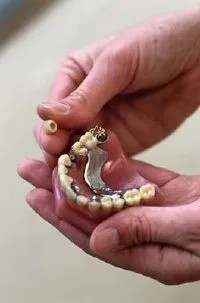
The transition to using dentures is rarely smooth. If you have new teeth in your mouth, you know that pain can and should be expected. Most people face two different walls of discomfort. The first time was when I started using them. The second time was several years later when his condition worsened.
The reason is simple. After the teeth are removed, your dentures rest on the bony ridge left behind. Without roots to hold everything in place, that ridge shrinks. The shape changes. The size of your prosthesis will remain the same. They slip. It slides. This friction can cause pain. This is the main cause of denture pain.
You don’t just have to endure it. There are ways to relieve discomfort at home. Here are the basics of how to tackle the basics of adjustment and relief.
Adaptation time
The first days are the hardest. Your gums are raw. You can’t tell which part of your mouth is plastic and which is meat. The brain is constantly sending wrong signals.
This is normal. Give it time.
But if you’ve been wearing dentures for years and this is the first time you’ve experienced pain, the problem is likely fit. The bone is resorbed. The device is loose. Loose dentures rub. Friction creates sores.
Managing the Fit
If the dentures become loose, they are dangerous to your oral health. They’re not just a nuisance. They are destructive.
while you figure out the bigger picture, here are some steps you can take immediately to reduce your pain.
“If your dentures slip, it can cause pain and discomfort in the denture.”
- Be careful when using glue. Denture adhesives can help stabilize loose teeth. They add a cushion. It also fills in some small gaps. Don’t use too much. If you need a tube of glue for every meal, you don’t have the right fit. Requires professional adjustment.
- Soft Lining. Over-the-counter soft liners provide temporary relief from gum pain. These are not permanent solutions. They buy you time until you can go to the dentist.
- Rinse with saline. Soothes inflammation. Add 1 teaspoon of salt to 1 cup of warm water. Swish it around. Spit it out. Do this 2-3 times a day. It helps heal the sores.
- Leave Them Out. Give your gums a break. If the pain is severe, remove the denture for a few hours. Let the tissue breathe. Let the blood flow return to normal.
When home care doesn’t work
Home remedies are for management. They are not a cure for a bad fit.
If the bone has shrunk significantly, the dentures will not fit properly, no amount of salt water will make the dentures fit right. You need a reline or new dentures.
Contact your dentist if:
– Sores do not heal in two weeks.
– The pain continues even after a month of getting used to the new prostheses.
– You experience difficulty eating or speaking.
Ignoring chronic pain can lead to infection. It can accelerate bone loss.
Overall picture
Denture pain is often a symptom of a larger structural problem. The jawbone is a living tissue. Stimulation of the root of the tooth is necessary to maintain density. Without this stimulus, it disappears.
This is why denture pain often worsens years after the tooth is removed. It is not just about comfort. It is related to the health of the jaws.
If you’re concerned about your overall bone health, consider nutrition. Calcium and vitamin D are important. However, follow the basics to immediate denture relief. Keep it clean. Check the fit. If the pain does not stop, contact a professional.
Your mouth is complicated. Don’t treat it
Natural wound care strategies for new prostheses
Just because you wear dentures doesn’t mean you’ll always experience irritation. You can manage this transition by using some simple, proven family strategies.
Fresh figs as a topical poultice
In some Spanish, Arabic and Southwestern American traditions, fresh figs are the first choice for treating canker sores. This method requires patience. Cut ripe figs in half. Press the open, fleshy side directly onto the sore area of your gum. Keep it there. When watching TV or taking a break, you must stay still and avoid moving. The texture and moisture of the fruit can help soothe inflamed tissues.
Soft foods protect sensitive gums
After losing a natural tooth, the gums take time to heal. Avoid hard, crunchy foods like pretzels and raw carrots. May damage the healing tissue. Stick to soups, stews, pasta, puddings, gelatin and applesauce. You don’t have to puree everything, but you should chew it properly.
Hygiene and herbal rinse
Soap cleaning
A build-up of bacteria can slow healing. Clean the prosthesis daily with warm water, regular soap and a hand brush. Massage gently. Wash thoroughly. Do this at least twice a day to keep your gums healthy.
Aniseed mouth rinse
Gentle mouthwash for sensitive mouths. Add 2 teaspoons of ground fennel and 1 tablespoon of mint leaves to 2 cups of boiling water. Cover and soak for 8 hours. Strain the liquid. Add 1 teaspoon of myrrh tincture which acts as an antiseptic. Take 2 tablespoons twice a day. Store the rest in a glass bottle and shake well before use.
Clove oil as a pain reliever
Cloves have been used since ancient times to treat toothaches. Eugenol is a compound found in cloves that relieves pain and disinfects abscesses. Grind 1 teaspoon of whole cloves into a powder. Mix with olive oil. Apply the mixture around the wound. It relieves pain and smells fresh.
** Rinse with salt water **
Warm salt water can reduce inflammation and kill bacteria. Mix 1/2 teaspoon of salt in 4 ounces of warm water. Rinse your mouth and spit. Do this twice a day. Shrinks swollen tissue and strengthens sensitive gums.
Long-term denture treatment
Remove the prosthesis every night. Give your mouth a break. If you notice red spots on your gums, take them out for 24 hours.
Check your dentures at least once a year. The lining must be changed every 2-3 years. Replace them every 5-6 years depending on wear and gum recession.
For more information about bone health and dental pain, check out the resources on the mechanisms of osteoporosis and dental disease.
** Dr. David J. Hufford** is a University Professor at the Pennsylvania State University School of Medicine. He serves on the editorial boards of several medical journals.
This information is used for educational purposes only. This is not medical advice. Talk to your doctor before starting treatment.