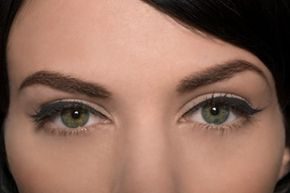
Eyebrow tinting offers a low-maintenance way to define thin brows or blend in a few gray hairs without daily pencil application. This semi-permanent procedure frames the eyes by depositing color directly into the hair shafts, potentially streamlining your morning beauty routine. The process is straightforward at a salon: an esthetician protects your eyes with a patch or mask and applies petroleum jelly around the brow line to shield the skin. Using a cotton applicator, they apply a vegetable-based dye to the eyebrows, eyelashes, or both. Once the solution dries, the excess is washed away with soap and water. The result typically costs about $20 per eye and lasts four to six weeks.
Why Massachusetts Bans Eyebrow Tinting
The practice carries significant legal and health risks that vary by location. In Massachusetts, eyebrow tinting is illegal. This restriction stems from a 1999 incident where a woman suffered chemical burns and permanent eye irritation after a salon used a coal-tar dye. The product label explicitly warned against using the dye on eyelashes or eyebrows due to the risk of blindness.
FDA Stance on Brow and Lash Dyes
The Food and Drug Administration (FDA) has not approved any dyes for eyebrow or eyelash tinting. This lack of approval follows an alert issued in 1982 regarding cosmetic dyes imported from Austria, Germany, and England. Those imported products contained coal-tar dyes, and the FDA alert remains in effect today. Because no approved dyes exist for these specific areas, consumers face a regulatory gap that requires extra caution.
Safe Options and DIY Risks
You can purchase do-it-yourself eyebrow tinting kits online, but you must verify ingredients before purchase. Ensure the kit does not contain substances that could damage eyes, irritate mucous membranes, or stain skin. Alternatively, finding a trusted salon is an option, though the legal landscape varies by state. Whether you choose a professional or a home kit, caution is essential. The absence of FDA-approved products means you are responsible for checking safety data yourself.
The FDA alert regarding coal-tar dyes in imported cosmetics remains in effect, highlighting the ongoing risk of using unapproved products near the eyes.
Caveat emptor, or let the buyer beware, is the guiding principle here. The appeal of skipping daily makeup is real, but the potential for chemical burns and vision issues means you should weigh the convenience against the lack of regulatory safeguards.