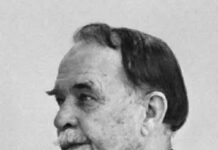
William Withering is considered a key figure in the history of pharmacology, bridging the gap between folk remedies and modern evidence-based medicine. Born in Wellington, Shropshire, in 1741, the English physician and botanical writer devoted his career to understanding the therapeutic potential of plants. His legacy is chronicled in one groundbreaking publication: An Account of the Foxglove, and Some of Its Medical Uses, published in 1785.
At that time the dropsy, now known as edema, was a terrible and widespread disease. It manifests as a painful accumulation of fluid in soft tissue, often leading to severe discomfort and death. Eighteenth-century physicians struggled with limited options. It wasn’t a clinical trial that piqued Withering’s interest, but a secret family medicine. An elderly woman in Shropshire had successfully treated her dropsyy with a special herbal mixture. Driven by scientific curiosity, Withering set out to identify the active ingredient.
Through careful isolation and testing, he determined that Foxglove (Digitalis purpurea ) was the main ingredient in the remedy. He was not content with mere recognition; he systematically documents how to use it. In his 1785 treatise, he provided a detailed description of the plant’s medicinal uses and established protocols for dosage and preparation. This was not a chance observation, but a thorough study that laid the foundation for clinical application.
The impact of this work cannot be overstated. Withering’s discovery provided a crucial tool in the treatment of heart failure, a disease inextricably linked to the accumulation of fluid seen in dropsy. Foxglove’s active ingredient, Digitalis, affects the heart’s electrical system and muscle contractions, helping to regulate heart rate and improve pumping capacity in heart failure.
Medicines containing digitalis derivatives are still part of the medical arsenal. Although modern cardiology has developed more advanced treatments, the basic understanding of how these compounds work comes from Withering’s careful observations. He turned folklore into scientific fact and showed that effective, life-saving medicines can be produced from natural sources.
His life ended at Sparkbrook, Birmingham in 1799, but the pharmacological principles he founded live on. The journey from a Shropshire herbalist’s secret to standardized modern medicine illustrates the slow, often serendipitous path of medical discovery.