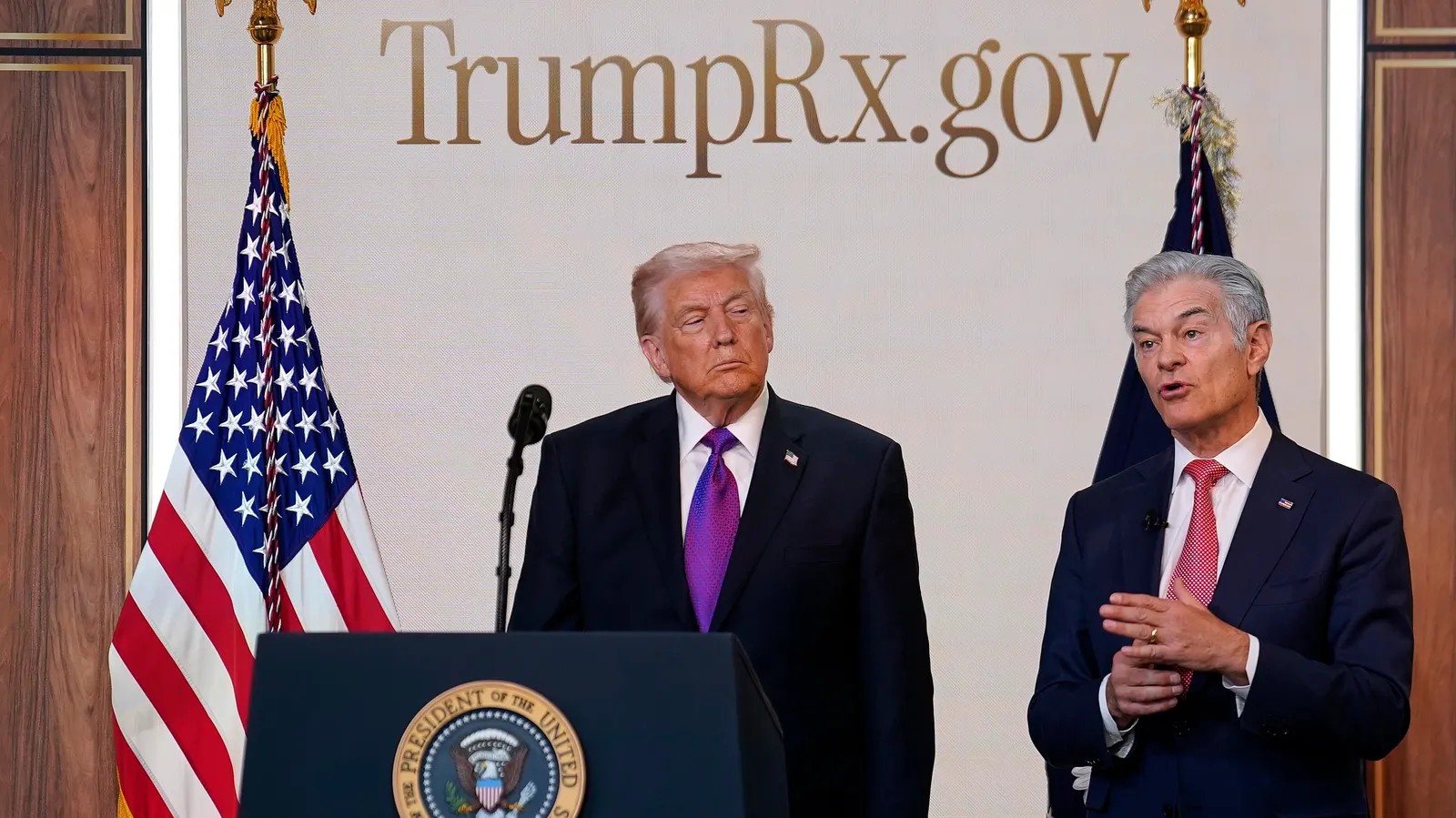
The landscape of American pharmaceutical pricing is undergoing a radical shift. Following a recent executive order, the Trump administration has moved from negotiating voluntary agreements to using trade policy as a primary enforcement tool. By leveraging Section 232 of the Trade Expansion Act, the administration has imposed sweeping tariffs on drug manufacturers that refuse to participate in the “most-favored-nation” (MFN) pricing initiative.
This escalation marks a pivot from diplomacy to pressure: companies that comply with MFN pricing receive a three-year tariff reprieve, while those that resist face significant financial penalties.
The MFN Framework: How It Works
The core of the TrumpRx initiative is the Most-Favored-Nation (MFN) model. Under this framework, drugmakers must ensure that the prices they charge U.S. buyers are no higher than the lowest prices they offer to other comparable, wealthy nations.
To date, the administration has secured 17 deals covering approximately 86% of the branded pharmaceutical market. The structure of these agreements generally follows a specific pattern:
– Direct-to-Consumer Access: Manufacturers commit to MFN pricing for cash-paying customers via the TrumpRx.gov portal.
– Medicaid Support: State Medicaid programs receive access to these discounted rates.
– Future Pricing: Companies agree to launch all new drugs at MFN-aligned prices.
The immediate results have been visually striking. For example, Pfizer has implemented price cuts ranging from 50% to 85%, and popular medications like Ozempic have seen monthly costs drop from roughly $1,000 to $350 for TrumpRx users.
The “Affordability Gap”: Who is Being Left Behind?
Despite the headline-grabbing discounts, a critical question remains: Who actually benefits from these deals?
While the administration calls TrumpRx a “transformative” healthcare initiative, the current structure creates a significant divide in the American market:
- The Beneficiaries: The primary winners are cash-paying consumers (those without insurance) and state Medicaid programs.
- The Excluded: The roughly 220 million Americans with private health insurance see little to no direct benefit. Because most insured patients pay prices negotiated through complex rebates and middleman contracts, the “list price” reductions on TrumpRx do not translate to their pharmacy counters.
- The Competition: Many of the drugs added to the TrumpRx platform are already available at lower prices through existing discount platforms or generic alternatives, complicating the platform’s value proposition.
The Bottom Line: While TrumpRx provides relief for a specific subset of the population, it does not yet address the systemic pricing issues that affect the vast majority of Americans covered by private insurance.
The Industry Tug-of-War: Innovation vs. Access
The pharmaceutical industry has voiced intense opposition to the MFN model, centering their argument on long-term innovation.
The U.S. currently acts as a global engine for pharmaceutical R&D, largely because it offers higher profit margins than other nations. Industry advocates argue that:
– Tying U.S. prices to lower international benchmarks could reduce the capital available for research.
– While “Big Pharma” may absorb these costs, small biotech startups —the ones often developing treatments for rare diseases like cystic fibrosis—could face insolvency if investor returns are capped.
Conversely, proponents of the reform argue that the current system is fundamentally broken. They contend that Americans are already paying the highest prices in the world, and that the “innovation” argument should not serve as a shield for an inefficient pricing architecture that drives patients to skip necessary medications due to cost.
Looking Ahead: A Fragmented Regulatory Future
The path forward is increasingly complex as multiple pricing mechanisms begin to overlap. The Trump administration’s MFN initiative is now running in parallel with the Inflation Reduction Act (IRA), which is already negotiating prices for several high-cost drugs within Medicare.
Several factors will determine if this represents a permanent shift in drug pricing:
– Transparency: Lawmakers are currently demanding access to the confidential MFN agreements to understand exactly how much is being saved.
– New Models: The administration’s proposed GLOBE (for Part B) and GUARD (for Part D) models could soon impose mandatory rebates on high-cost drugs.
– Compliance: The effectiveness of the April 2026 tariff order will be tested by how many “holdout” companies choose to comply rather than face trade penalties.
Conclusion
TrumpRx is not a final solution, but rather a high-stakes opening move in a broader battle over healthcare economics. While it has successfully lowered costs for cash-paying patients, its ultimate success will depend on whether the administration can move beyond a niche portal to influence the broader private insurance market.