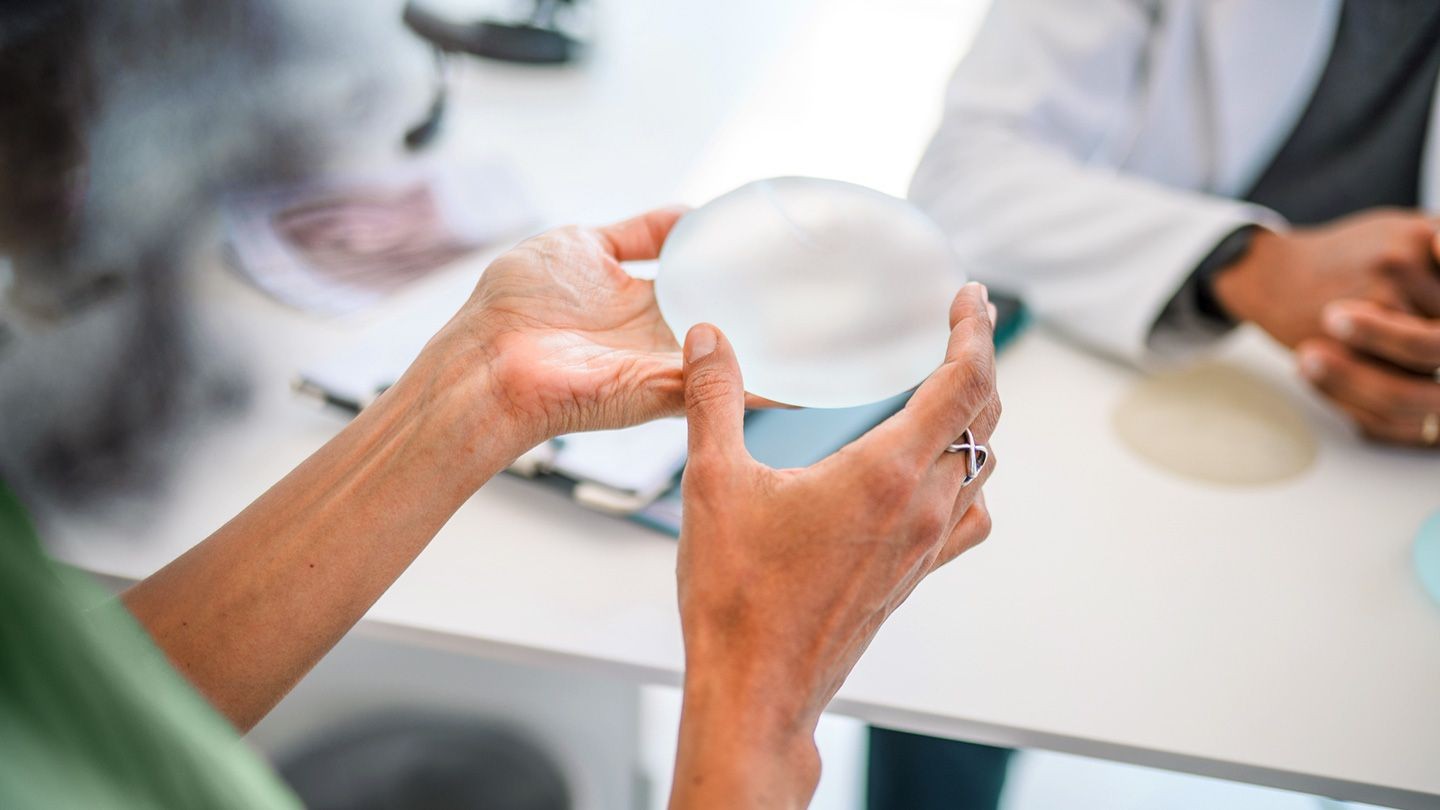
A breast cancer diagnosis is a life-altering event, and the surgical requirements—such as a mastectomy—can profoundly impact a person’s body image, sense of femininity, and self-esteem. To address these psychological and physical changes, many patients opt for breast reconstruction.
While approximately half of women choose reconstructive procedures, others decide to “go flat.” It is important to note that reconstruction is not a one-time decision; it can be performed during the initial cancer surgery or even years later.
Reconstruction After a Lumpectomy
Reconstruction is not limited to mastectomy patients. For those undergoing a lumpectomy (a breast-conserving surgery where only the tumor and a small margin of tissue are removed), surgery may be needed to restore symmetry if the procedure leaves the breasts looking uneven.
Common Techniques:
- Oncoplastic Reduction: Ideal for women with larger breasts, this procedure combines cancer removal with plastic surgery to lift, reduce, or reshape both breasts to ensure they look even.
- Fat Grafting: Surgeons use liposuction to collect fat from areas like the abdomen, thighs, or buttocks, which is then injected into the area treated by the lumpectomy. This is often done a year or more after cancer treatment to allow the body to fully heal from radiation.
Reconstruction After a Mastectomy
When a mastectomy is performed, patients generally choose between two primary methods of rebuilding the breast mound: implants or autologous tissue (flaps).
1. Implant Reconstruction
This is the most common method, utilizing saline or silicone implants.
– The Process: While “direct-to-implant” surgery is possible, many surgeons prefer a two-stage approach. First, a “tissue expander” (a temporary balloon) is placed under the skin and gradually inflated over several weeks. Once the desired size is reached, the expander is replaced with a permanent implant.
– Pros & Cons: Recovery is generally faster and does not involve donor sites elsewhere in the body. However, implants may need replacement every 10 years, and there are risks of rupture or capsular contracture (scar tissue hardening around the implant).
2. Flap (Tissue) Reconstruction
This method uses the patient’s own living tissue to create a new breast.
– The Process: A surgeon moves a section of tissue—along with its blood vessels—from the belly, back, buttocks, or thigh to the chest, where it is reconnected to the blood supply.
– Pros & Cons: Because it uses natural tissue, the result often feels more realistic. However, it is a more intensive surgery involving a second “donor site” on the body, and there is a rare risk of the tissue flap failing if blood flow is interrupted.
Final Details: Nipple and Areola Restoration
The final step in many reconstruction plans is recreating the nipple and areola. While surgeons can sometimes perform “nipple-sparing” mastectomies, many patients require reconstruction of these features. Today, while surgeons can use small tissue flaps to create a nipple, 3D tattooing is frequently used to create highly realistic, pigmented areolas.
Recovery and Healing Expectations
Recovery timelines vary significantly depending on the chosen method:
| Feature | Implant Reconstruction | Flap Reconstruction |
|---|---|---|
| Hospital Stay | Usually overnight | Typically ~4 days |
| Return to Work | ~4 weeks | ~6–8 weeks |
| Activity Limits | No heavy lifting (<10 lbs) for 1 month | No heavy lifting (<10 lbs) for 4–6 weeks |
| Full Recovery | ~3 months (complete adjustment up to 2 years) | ~3 months (complete adjustment up to 2 years) |
Note: For both types, patients should avoid soaking in baths, pools, or oceans for at least six weeks to prevent infection.
Understanding the Risks
While surgical techniques have advanced, no surgery is without risk. Common complications include infection, bleeding, and wound healing issues. Specific risks include:
– For Implants: Rupture or the need for revision surgery.
– For Flaps: Potential blood clot formation or “flap failure.”
– General Risk Factors: Smoking, obesity, older age, and previous radiation therapy can increase the likelihood of complications.
Making an Informed Decision
Choosing a reconstruction path is a deeply personal decision. To ensure the best outcome, medical experts recommend:
1. Consulting a specialist: Meet with a plastic surgeon who specializes in the specific technique you are considering.
2. Reviewing portfolios: Ask to see before-and-after photos of previous patients.
3. Seeking support: Navigate the emotional weight of these decisions through support groups, patient navigators, or mental health professionals.
The Bottom Line: Breast reconstruction is a versatile tool for restoring physical symmetry and emotional well-being, but it requires careful planning and a thorough understanding of the surgical trade-offs.