


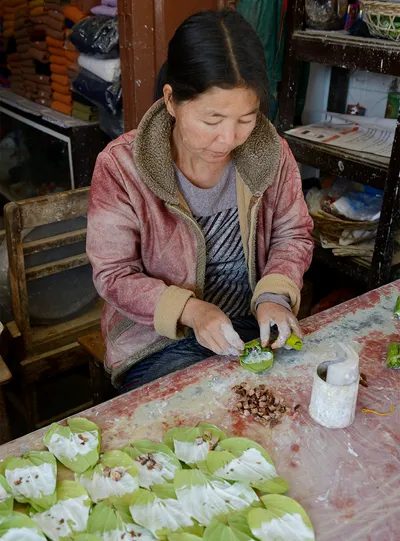
One in ten people on the planet chews betel nut. It is the fourth most used psychoactive substance in the world. The most important of them are nicotine, alcohol and caffeine. This custom is deeply rooted in South Asia and the East Indies.
Betel starts as a betel nut. This is the seed of the betel palm, scientifically known as Areca catechu. The seeds are wrapped in the leaves of the betel pepper plant or Piper betle. Add slaked lime (calcium hydroxide) to the mixture. This chemical reaction causes salivation. It also helps release stimulating alkaloids from the nuts.
Chewing a betel nut produces a large amount of brick-red saliva.
Some users add aromatics such as cardamom and turmeric. These ingredients add flavor and kick. In India, this preparation is called paan. It is usually served as a snack after dinner. You might find it sweet. It may also contain chewing tobacco.
The physical effects are obvious. Saliva flows freely. It turns bright brick red. This liquid temporarily stains the mouth, lips and gums orange-brown. The teeth themselves are also often stained.


Why does this practice continue?
Chewing betel leaves is not just a cultural ritual. It causes a chemical reaction in the brain. Areca nuts release alkaloids that act like mild stimulants. Think of it as a milder version of nicotine. Users report feeling alert and mildly euphoric. That’s why this habit is so strong. It is very addictive. Once you start, it’s hard to stop. The brain craves that special buzz.
Health realities
The cultural significance of betel nut chewing in South Asia cannot be overstated. It is incorporated in social ceremonies, weddings and religious ceremonies. However, health costs are steep. Health authorities are worried. The connection to oral cancer is well documented. The incidence of esophageal cancer also increases among heavy users. The risks are not just theoretical. This is a reality that millions of people face every day.
Public space and politics
There is another layer to this controversy. It’s not just about internal health. It’s about public space. Users spit out a red-staining juice. It marks sidewalks and streets. This is considered a problem in some cities. Spitting in a public place results in a fine. Governments are cracking down. Sales are limited or completely prohibited. We often focus on liquids containing tobacco. Tobacco increases the risk of cancer.
Break the cycle
This habit is hard to break. Addiction is real. There are a lot of social pressures. But the health warnings are clear. Oral cancer and esophageal cancer have serious consequences. These are not uncommon side effects. They are common consequences. As regulations tighten, this practice is likely to decrease. The damage to individuals already chewing is done. It has also been asked whether drug addiction can be curbed with politics.
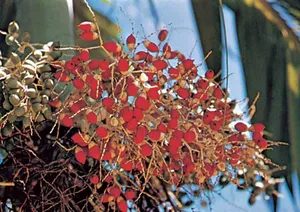

When you chew betel nut, you may feel a tingling sensation. This is the effect of the alkaloid arecoline. Stimulates the central nervous system. You might feel a rush. Then the sweat comes out. The face flushes red. Drooling. This is not a mild stimulant like tea. It is potent.
The plant itself is common in Asia. It is mainly produced in India and Sri Lanka. These palms are also grown in Thailand, Malaysia and the Philippines. This tree is unique in appearance. It has a slender trunk. Its height can be 15 meters. The crown has 6-9 large fronds. The fruits are small. About the size of an egg. The fibrous rind contains hard seeds. It has a gray and brown mottled pattern.
How are nuts made?
People rarely eat raw nuts. They process it. Start by peeling the unripe fruit. Boil in water. Then cut into thin slices. Dry the slices in the sun. This is how a chewable product is created. Often used alone. It is also the main ingredient in betel quid.
Veterinarians use nuts for a different purpose. Contains catechu. The main alkaloid is arecoline. This compound works as an worming agent. Helps remove parasites from animals. That same chemical have different effects on the human body.
Impact on oral health
Chewing nuts can damage your teeth. The stain is dark and permanent. Tooth enamel wear. The roots are revealed. This can lead to tooth loss. It is not just cosmetic. It’s a structural thing.
The mouth changes color has also changed. The tissue turns reddish brown. This is a sign of chronic irritation. It is a visible marker of long-term use.
Systemic health risks
The effects extend beyond the mouth. Blood pressure rises. Increased heart rate. Users often report a sense of well-being. But this comes at a price.
Indigestion is common. Nausea may also occur after chewing. Vomiting is not uncommon. Constipation plagues the average user. The nervous system can also be damaged. Headaches occur. Insomnia disturbs sleep.
Long-term use can cause serious illnesses. Oral cancer is the biggest risk. The International Agency for Research on Cancer classifies it as a carcinogen. It can cause cancer of the mouth, throat and esophagus. smoke tobacco with the nut increases your risk. This combination multiplies the danger.
Addiction and withdrawal
Betel nut is addictive. Contains psychoactive compounds. Users develop a tolerance. More is needed to achieve the same effect. It’s hard to stop.
when use ceases. you may experience withdrawal symptoms. Anxiety increases. Mood swings may also occur. Depression sets in. and it becomes difficult to fall asleep. Physical discomfort occurs. This cycle is hard to break.
Global spread and regulation
The custom is widespread. It moves with migration. Even countries with little history of chewing are now seeing cases. These new areas lack well-developed healthcare systems. They have no treatment options for areca nut addiction.
Governments have started to take action. There are places where sales are prohibited. Some require warning labels. The science is clear. The risks are documented. But the demand remains. Cultural customs die hard.
This plant is still a staple in many diets. but
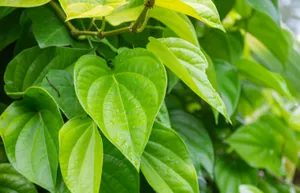

It is an evergreen vine plant. It is found in the shade of tropical forests. It is characterized by heart-shaped leaves. It belongs to the family Piperaceae. The plant is dioecious. This means that individuals are strictly male or female. White flowers bloom on small spikes. These are called catkins.
The origin refers to Malaysia. perhaps. It spread from there. Now, betel chewing is common. Growers prefer male plants. They plant them more often. Reproduction takes place asexually. Cuttings do the work.
Here’s the problem. Harvested leaves rot. Quickly. Post-harvest diseases are serious. Crop losses are increasing. Farmers lose money. This is a constant headache in the supply chain. The spoilage isn’t just a inconvenience. This is a huge financial loss.


