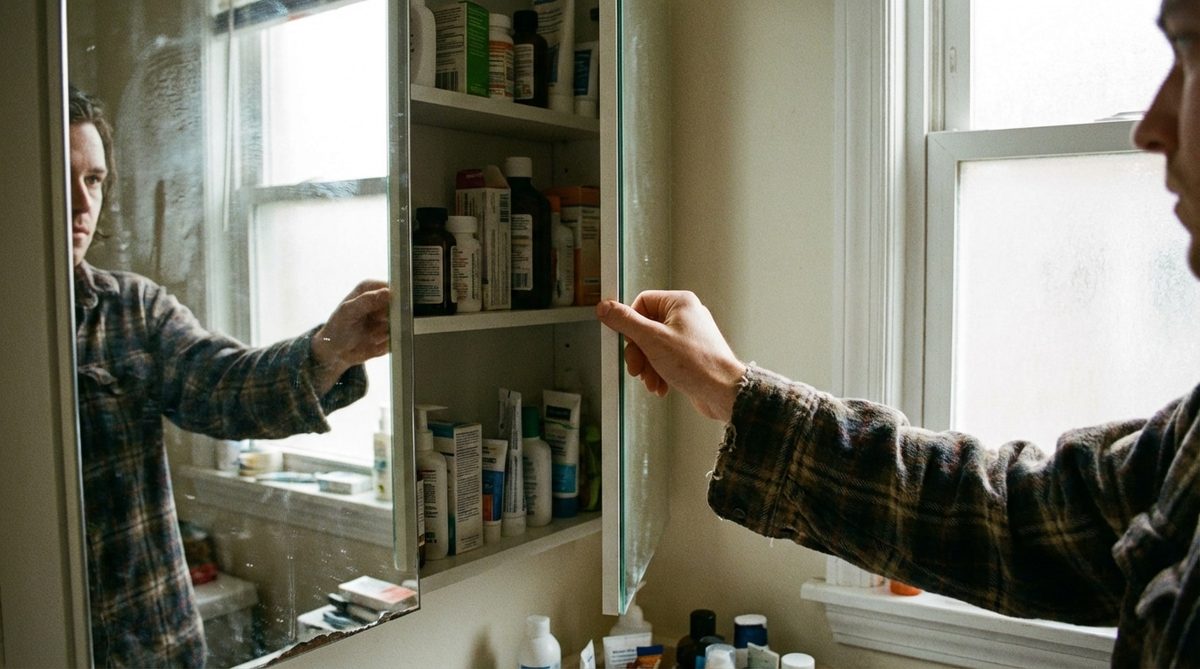
Your medicine cabinet is full. There is ibuprofen, topical gels, and prescription medications. But the sharp stabbing pain in your knee and the throbbing pain in my wrist won’t go away. It comes back every day and ruins your mornings and your ability to concentrate.
Imagine a powder that has been used for thousands of years. It comes straight from the ground. It costs a penny. It does not appear in TV commercials.
Before you swallow another pill, consider why this geological treasure has been overlooked as a solution to your chronic pain.
The Economics of Healing: Why Have You Never Heard of It?
In a world obsessed with synthetic molecules and high-tech medical devices, going back to dirt can seem old-fashioned. But because of this simplicity, you won’t see it in advertising.
The pharmaceutical industry is built on patents. To recoup the millions of dollars in research and development costs, companies need exclusive rights to sell their drugs. This is a business model based on scarcity.
Green Clay is different. It is a raw material. It is abundant. It’s everywhere.
You cannot patent the earth. You cannot patent rainwater or sunlight. Without patents, there is no monopoly. Without monopolies, there wouldn’t be huge marketing budgets to promote its benefits at prime time.
The treatment remains a secret among alternative medicine practitioners, not because it is ineffective, but because it is unprofitable for big pharmaceutical companies. It sells by the kilogram for a song. It cannot produce the large profits that pharmaceutical giants seek.
There is also a philosophical contradiction here. Standard anti-inflammatory drugs are designed to neutralize pain signals. They inhibit the chemical process of inflammation. They put a bandage on the alarm.
Green Clay does not silence your body. Its purpose is to clear the terrain. Eliminates toxins and reduces body swelling. Instead of cutting the smoke detector wire, we address the local cause of the problem.
The physics of absorption: how clay “sucks out” inflammation
To understand how simple mud can soothe mid-winter sprains and arthritis, you need to look under the microscope.
This material possesses a kind of physical intelligence. It is based on two different and complementary mechanisms: absorption and adsorption.
Absorption is a sponge effect. Thanks to the layered microstructure, this material absorbs liquids. When applied to inflamed and swollen areas, it actually absorbs excess tissue fluid. This can reduce noticeable swelling. Although this is a simple mechanical operation, it is very effective in cleaning congested areas.
Adsorption is more subtle. Think of it as magnetism. Green clay contains negative ions. Most toxins, bacteria and inflammatory markers have a positive charge. Through physical attraction, the paste traps these unwanted elements and keeps them on the surface for removal.
But the exchange doesn’t stop there. As the earth accumulates waste materials, the earth’s own minerals are released into the body. silica. aluminum. magnesium. calcium. iron.
It’s a kind of biochemical exchange. Your body removes waste products and receives building materials in their place.
Where clay beats cream: sprains, tendinitis, arthritis
As the cold, rainy days of January begin, the old joint pains start to wake up. The regional use of this mineral has become particularly important.
Unlike anti-inflammatory gels that penetrate the skin and spread a single active ingredient, a clay poultice works through mass and temperature. For many people, it provides excellent long-term peace of mind.
Thermal control is a major advantage.
In the case of an acute “hot” inflammation, such as a recent sprain or toothache, a cold clay paste can constrict the blood vessels. It immediately calms the fire of inflammation.
Conversely, for chronic pain, such as cervical or lumbar arthritis, warm preparations can relax muscles and increase blood circulation. It provides immediate comfort.
The draining action also helps unlock mobility. Painful joints are often “locked” joints that become clogged with accumulated fluid and metabolic waste. Reducing swelling naturally without resorting to corticosteroids or strong chemicals that damage the stomach and kidneys** allows movement to be restored more quickly.
This is a gentle approach. It respects the integrity of the body. And its power is surprisingly great.
Green clay does not cover the pain. The environment in which the pain occurs changes.
Evidence issues
Is it a cure-all? Probably not. Is this a miracle? It may not be in a religious sense.
However, the evidence for its physical properties is clear to those seeking non-drug treatment for local musculoskeletal problems. It absorbs liquid. It binds toxins. It replaces minerals.
It is not for lack of science that it is not in the doctor’s standard toolbox. There is no profit.
You can try it. You may find that while the tablets reduce noise, the clay actually cleans the room.
Earth’s supply is unlimited. The demand for silent joints is growing. The only question is whether we will continue to pay the price for the noise or start paying for the silence.
Metal Mistakes: How to Mix Clay Without Sacrificing Its Strength
Preparation is key. As for green clay, skipping the protocol can render the remedy useless. What is the most common mistake? Use metal utensils.
You need green illite or montmorillonite clay, preferably powder form. Use mineral water or spring water. Tap water is dangerous. Chlorine can interfere with the properties of the clay. The bowl must be glass, wood or ceramic. Use a wooden spoon or non-metallic spatula to mix.
Why is metal prohibited? Green clay works because of its electrical charge (ions). Metals are conductive. Contact causes a redox reaction. This reaction neutralizes the charge on the clay. Stir with a stainless steel spoon to turn the treatment into an inert slurry. Stick to wood, glass or plastic.
It is easy to mix but requires patience. Pour the powder into a non-metallic bowl. Add water until the surface of the water is about 1-2 cm above the level of the powder. Do not stir immediately. Let stand for at least 1 hour. This allows the material to hydrate and dissolve naturally. The result is a smooth paste. It’s not too watery. Not too thick. Ready for application.
When to remove the poultice: Listen to your body
Apply a thick layer (about 2 cm) to the painful area. The real issue is the duration. Do not let the green clay dry completely on your skin.
Pay attention to the signs. Remove when the edges turn light gray and the surface begins to crack.
When the clay is dry, reverse the process. Dry ingredients seek moisture. It absorbs moisture from the skin and muscles. This can cause local dryness and unnecessary skin irritation. Usually leave for 1-2 hours. In case of severe inflammation, a shorter time may be necessary. Pay attention to how you feel.
The pain may be slightly worse for the first few minutes. This is usually a good sign. This means that the treatment is working and drawing out the issue. If the discomfort becomes unbearable, remove it immediately. Rinse with lukewarm water. Try again later with a thinner layer or a shorter time. Do not brute-force your body.
Oral: Use clay water to detoxify
Topical use can relieve local pain. Use internally to treat systemic inflammation and deep cleansing of the gastrointestinal tract. This is especially important after the excesses of the January holiday season.
Drinking clay water has systemic anti-inflammatory effects. To prepare, sprinkle a teaspoon of clay powder into a glass of water in the evening. Use the wooden spoon again. Let stand overnight. Drink only the clear water on top in the morning. Leave the sediment at the bottom. This is “clay water”.
After a few days, if your body tolerates it well, you can mix and drink the whole mixture, including the powder. This is called “clay milk”.
Care must be taken in internal use. Clay is a strong adsorbent. There is no difference between poisons and drugs. It binds to everything. If you are on medication such as birth control or thyroid treatment, never use clay without the strict advice of your doctor. Space consumption by at least 3 to 4 hours. Excessive mineral content can cause constipation. Drink plenty of water throughout the day. People with high blood pressure or intestinal obstruction should avoid internal use entirely.
Make a natural first aid kit
Choosing green clay is choosing autonomy. You don’t need a closet full of expired tubes to treat everyday ailments. A single 3-kilogram bag of raw powder covers a wide range of needs. It treats everything from joint pain to sunburn, from upset stomach to skin problems.
This approach shifts your reflexes. Instead of reaching for chemical solutions when you feel discomfort, take the time to make a paste. Let nature take its course. This is a proactive, economical and environmentally friendly health strategy. Less chemistry. More geology.
This does not exclude modern medicine. Traditional treatments are booked when they are really needed. When your knees creak or your back starts to ache, think about trusting in all that the earth has to offer.