Americans are increasingly turning to alcohol-free alternatives, driven by health awareness, financial considerations, and a growing “sober-curious” movement. A 2025 survey by NCSolutions found that nearly half (49%) of Americans plan to reduce their alcohol intake this year, while a 2023 Gallup poll revealed that 38% abstain entirely. This shift isn’t just about cutting back; it’s a reevaluation of alcohol’s role in social life and personal well-being.
Why This Matters: Alcohol consumption has long been ingrained in many cultures. However, rising awareness of its negative health effects, combined with a desire for more mindful lifestyles, is fueling demand for sophisticated non-alcoholic options. This trend is also driven by economic factors, as cocktails can be expensive.
Beyond Abstinence: The Appeal of Mocktails
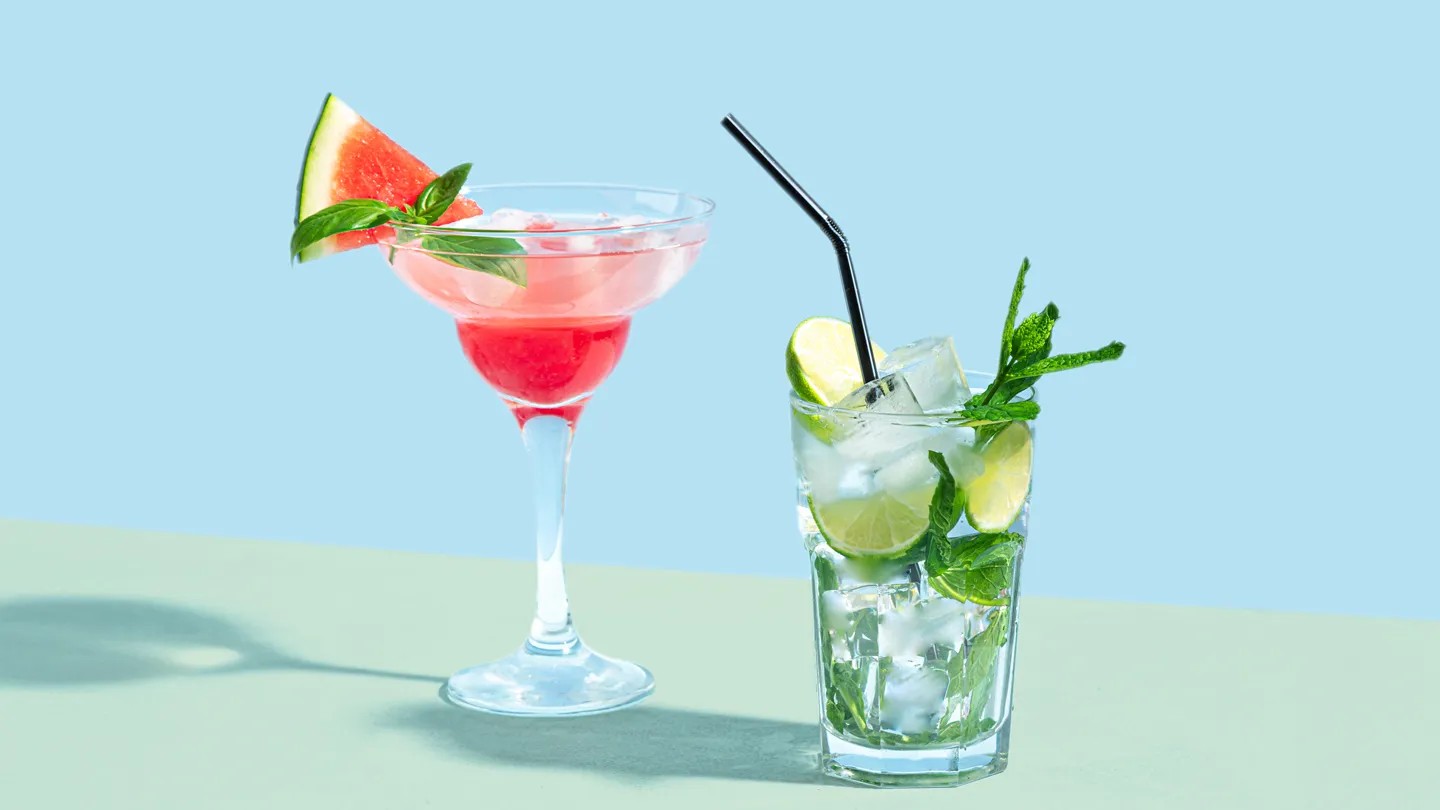
The growing popularity of mocktails – non-alcoholic cocktails – is meeting this demand head-on. Bartenders and brands are innovating with flavor combinations and ingredients that replicate the experience of drinking without the alcohol. This isn’t about simply removing spirits; it’s about crafting equally enjoyable beverages that prioritize health and taste.
A Range of Recipes to Try:
Experts suggest that the key to a great mocktail is to focus on fresh ingredients and balanced flavors. Here are a few options:
- Sparkling Blood Orange Mocktail: RDN Marisa Moore suggests combining blood orange juice, vanilla, lime sparkling water, and honey for a vitamin C-rich treat.
- Watermelon Cucumber Muddle: Violeta Morris, RD, recommends blending watermelon, raw honey, and muddled cucumber for a hydrating summer refresher.
- Kombucha Mule: Kaleigh McMordie, RDN, swaps vodka for ginger kombucha in a mule for a gut-friendly alternative. Note: Kombucha contains trace amounts of alcohol, so sparkling water can be substituted if complete abstinence is desired.
- Strawberry Sparkling Mocktail: Tara Rochford, RDN, balances fresh strawberries with lemon juice for a vitamin C boost.
- Ginger Pomegranate Sparkler: Lindsey Pine, RDN, combines pomegranate juice, kombucha, and orange bitters (optional) for a potent antioxidant fix.
- Pomegranate Mockarita: Taylor McClelland Newman, RD, suggests mixing pomegranate juice, lime juice, and club soda for a margarita-like experience.
- Grapefruit Mint Kombucha Mocktail: Sarah Gold Anzlovar, RDN, combines grapefruit juice and kombucha for a refreshing, immune-boosting drink.
- Piña Colada Refresher: Kaytee Hadley, RDN, recommends using a low-sugar coconut-pineapple drink base for a balanced mocktail.
- Blueberry Lavender Bliss: Bridget Wood, RD, blends lavender syrup, blueberries, prebiotic soda, and lime juice for a relaxing and gut-friendly option.
- Tropical Green Tea Mocktail: Amy Gorin, RDN, suggests using green tea as a base for a sangria-like drink rich in flavonoids.
- Blackberry Bliss: Vanessa Rissetto, RDN, combines blackberries, basil, lime juice, honey, and cloves for a refreshing summer treat.
- Strawberry Vanilla Spritz: Hadley recommends muddling strawberries with basil, adding Olipop strawberry vanilla, and finishing with seltzer for a fiber-rich option.
The Broader Trend: Alcohol-Free Alternatives Gain Traction
The mocktail movement is part of a larger trend: The availability of non-alcoholic beers, wines, and spirits is surging. Brands like Athletic Brewing Company, Seedlip, and Töst are leading the charge, offering sophisticated alternatives for consumers who want to enjoy the social aspects of drinking without the effects of alcohol.
Making the Switch: Cutting back on alcohol doesn’t mean sacrificing enjoyment. By experimenting with mocktail recipes or exploring non-alcoholic beverage options, individuals can maintain a vibrant social life while prioritizing their health and well-being.
In conclusion, the rise of the mocktail isn’t just a fad; it’s a reflection of changing attitudes toward alcohol and a growing demand for healthier, more mindful drinking experiences. This trend is likely to continue as consumers seek innovative ways to socialize without compromising their well-being.