Recent studies confirm that regular physical activity is a highly effective way to manage the often-debilitating symptoms of perimenopause and postmenopause. This isn’t just about weight control; movement directly impacts hormone regulation, mental health, and overall well-being during this life stage.
The Science Behind the Relief
For years, women have relied on hormone replacement therapy (HRT) or other medical interventions to cope with menopause. However, the latest research shows that exercise can provide significant relief without the side effects of medication.
Key findings include:
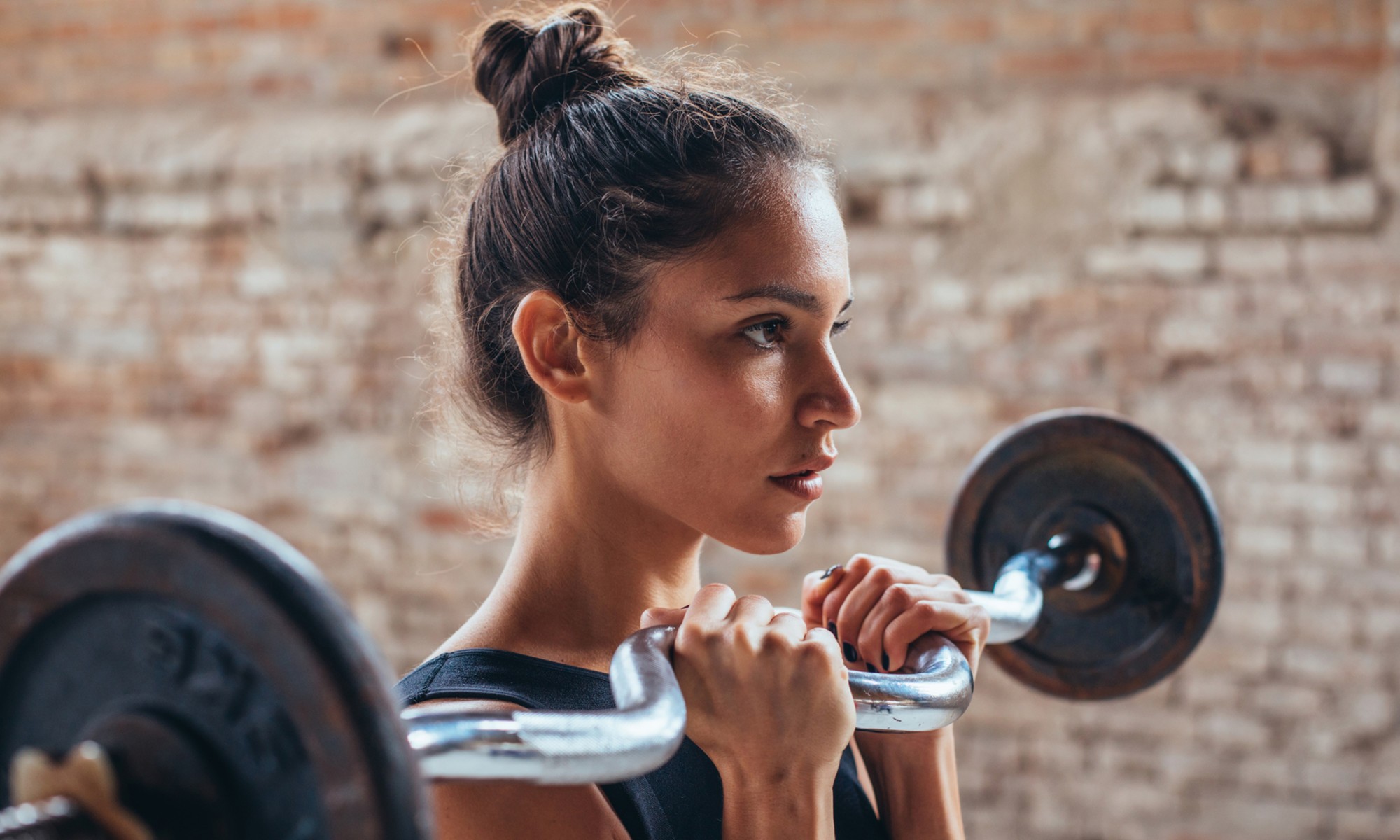
- Hot Flash Reduction: A 15-week resistance training program cut moderate-to-severe hot flashes by nearly 44% in postmenopausal women. The study utilized just three weekly full-body strength workouts, proving high-intensity daily exercise isn’t necessary.
- Mental Health Boost: An 8-week aerobics study with nearly 300 perimenopausal women demonstrated that consistent exercise alleviated anxiety in 83% of participants, depression in 84%, and insomnia in 90%.
- Sustained Benefits: Women who continued exercising beyond the study (more than three times weekly) experienced remission rates of up to 98% for anxiety and depression.
Why This Matters
Menopause symptoms – hot flashes, sleep disturbances, mood swings, cognitive dysfunction – can severely affect quality of life. Exercise helps address these issues at a biological level: it regulates the nervous system, supports hormonal balance, and improves blood circulation. This means symptoms aren’t just masked; they’re actively managed.
The fact that many women delay or avoid exercise due to perceived time constraints or discomfort is concerning. These studies show that even modest physical activity can yield substantial health improvements. The broader trend here is a shift toward non-pharmacological interventions for common health challenges, empowering women to take control of their well-being without reliance on medication.
How to Implement
The good news is that you don’t need a specialized gym or expensive equipment. Effective exercises include:
- Weightlifting (even light dumbbells)
- Aerobics (dancing, brisk walking, cycling)
- Bodyweight exercises (squats, push-ups, lunges)
The key is consistency. Start slowly, listen to your body, and gradually increase intensity.
The bottom line: Regular exercise provides a natural, accessible, and powerful way to alleviate menopausal symptoms. It’s a long-term investment in your health that yields immediate and lasting benefits.