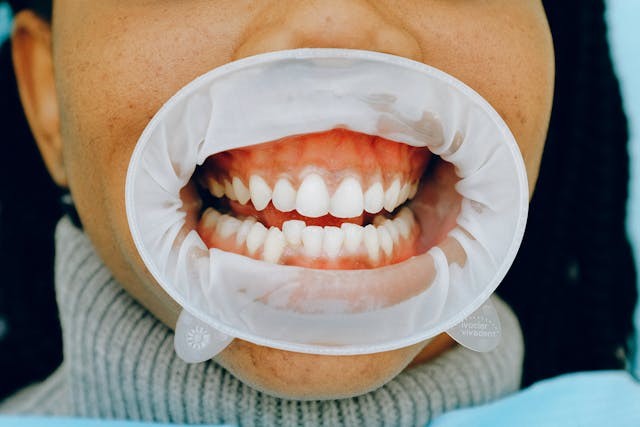
A brighter smile remains a popular cosmetic dental goal, but individuals with gum recession face unique considerations when pursuing teeth whitening. The good news is that whitening is possible even with receding gums, but it demands careful planning and professional oversight. Ignoring this nuance can lead to increased sensitivity, gum irritation, or even ineffective results.
Understanding Gum Recession and Its Impact on Whitening
Gum recession occurs when gum tissue pulls back, exposing more of the tooth root. This isn’t just cosmetic; it changes how teeth respond to whitening agents. Common causes include aggressive brushing, gum disease, genetics, and even teeth grinding. The key issue is that exposed root surfaces lack the protective enamel layer, making them more vulnerable during treatment.
Why this matters: Unlike enamel, tooth roots are covered in cementum, a softer, more porous material. Whitening products don’t lighten cementum predictably, and prolonged exposure can cause significant discomfort.
The Risks and Precautions
Whitening with gum recession isn’t inherently unsafe, but it requires a thorough dental evaluation. Key questions a dentist will ask:
- Is the recession stable, or worsening?
- Is there active gum disease present?
- How sensitive are your teeth already?
- How extensive is the root exposure?
If gum disease exists, whitening should be delayed until it’s treated. Prioritizing aesthetics over oral health is a mistake. Dentists may also recommend desensitizing treatments before whitening to minimize discomfort.
Professional Whitening vs. DIY Kits
For those with gum recession, professional whitening is strongly recommended. Here’s why:
- Custom trays ensure gel doesn’t contact sensitive gum tissue.
- Controlled gel concentrations minimize irritation.
- Supervised treatment durations prevent overexposure.
- Desensitizing options are readily available.
Over-the-counter kits pose higher risks, as ill-fitting trays can cause uneven whitening and severe sensitivity. Precision matters; a poorly fitted tray can amplify discomfort and potentially worsen recession.
Managing Sensitivity During Treatment
Even without gum recession, whitening can cause temporary sensitivity. To mitigate this:
- Use a desensitizing toothpaste for 2–4 weeks prior.
- Space treatments further apart.
- Shorten treatment sessions.
- Use lower-concentration whitening gel.
- Apply fluoride or remineralizing agents post-treatment.
Alternatives to Whitening
If whitening isn’t ideal due to extensive root exposure, other options include:
- Composite bonding: Resin applied to exposed roots creates a uniform appearance.
- Veneers: For more significant cosmetic concerns, veneers offer consistent color coverage.
- Gum grafting: In severe cases, a graft can restore gum tissue before whitening is considered.
A dentist will determine the best approach based on your oral health and cosmetic goals.
When to Avoid Whitening Altogether
Avoid whitening if you have:
- Active gum disease
- Untreated severe sensitivity
- Extensive root exposure
- Cracked enamel
- Ongoing gum inflammation
Whitening should be a final step, not the first, in a comprehensive oral health plan.
Long-Term Care
Maintaining results requires consistent care:
- Use a soft-bristled toothbrush.
- Avoid aggressive brushing.
- Schedule regular professional cleanings.
- Address teeth grinding with a night guard if needed.
- Limit staining foods and drinks.
Most importantly, monitor your gum health. Gum recession isn’t reversible, so prevention is crucial.
The bottom line: Teeth whitening with gum recession is possible, but only with professional guidance. Prioritize gum health first. A personalized assessment ensures a safe, effective treatment that minimizes discomfort and protects exposed roots. If you’ve noticed receding gums and are considering whitening, schedule a consultation before proceeding.