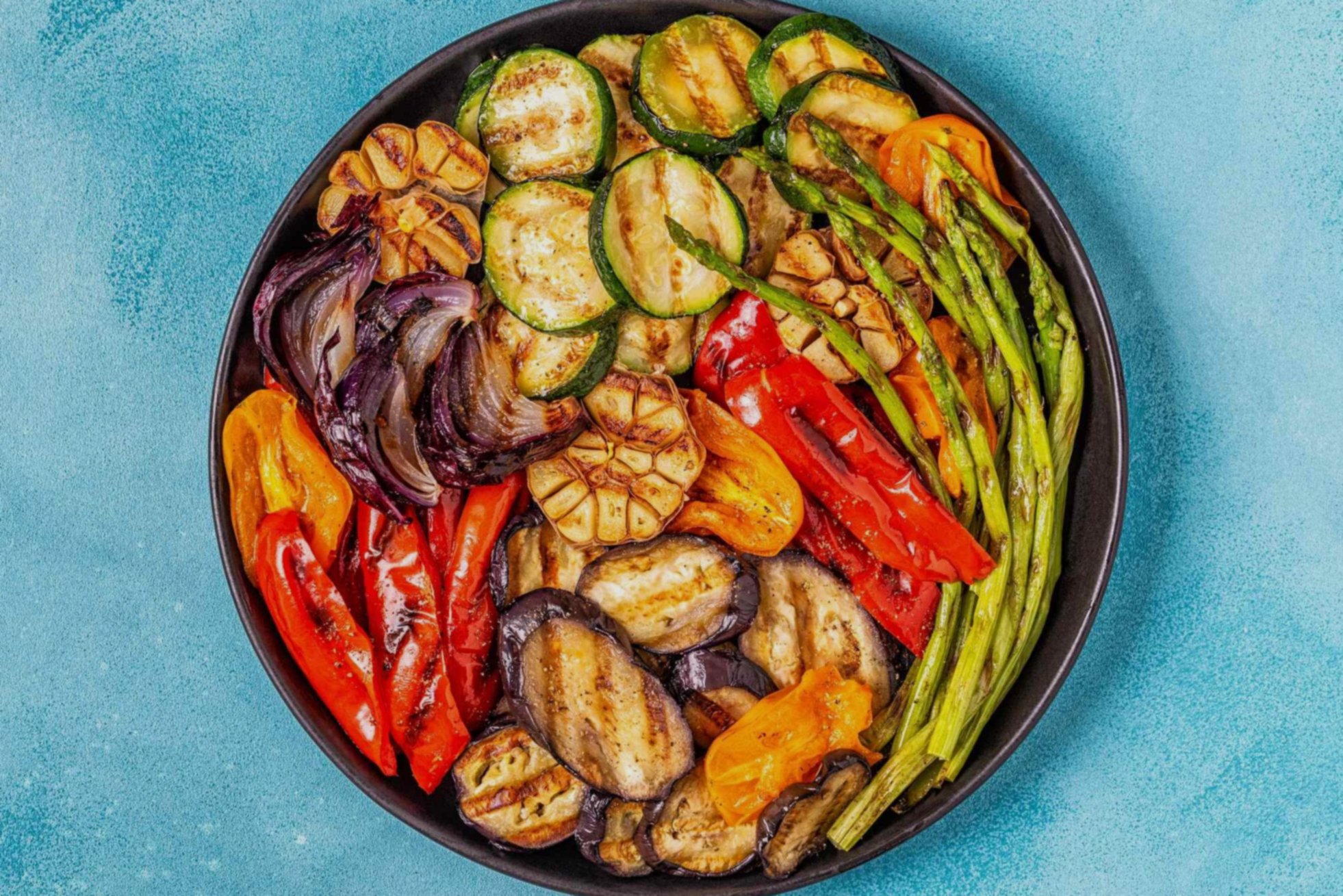
Cooking isn’t always the enemy of nutrition. For some vegetables, heat enhances their nutritional value, making them easier for the body to absorb key compounds. This isn’t about destroying vitamins – it’s about unlocking them. Here’s a breakdown of five vegetables that benefit from cooking, and why.
Asparagus: Antioxidants Unleashed
Raw asparagus is good, but cooked asparagus is better. Heating breaks down cell walls, releasing more antioxidants, particularly chlorogenic acid. Adding a small amount of fat, like olive oil, while cooking boosts absorption of fat-soluble vitamins E and K. Steaming or lightly sautéing are ideal methods to maximize nutrient retention.
Carrots: Beta-Carotene Boost
Carrots are famous for beta-carotene, which the body converts into vitamin A for vision, immunity, and skin health. Cooking significantly increases the amount of beta-carotene your body can use. Studies show stir-fried carrots yield about 75% bioavailability compared to 11% from raw carrots. This is because heat softens cell walls, and fat helps with absorption.
Tomatoes: Lycopene Power-Up
Cooking tomatoes dramatically increases lycopene, a heart-protective antioxidant linked to healthy aging. Heating also reduces oxalic acid, which is helpful for people watching their oxalate intake (such as those prone to kidney stones). While vitamin C is slightly reduced by heat, the lycopene gains far outweigh the loss.
Mushrooms: Flavonoid Surge
Mushrooms become healthier when cooked. Short cooking times (steaming or microwaving) are best to avoid nutrient loss. One study showed a 811% increase in flavonoids after just 15 minutes of cooking. Flavonoids are potent antioxidants that fight inflammation and support long-term health.
Spinach: Enhanced Mineral Absorption
Spinach is already packed with nutrients, but cooking can improve how well your body absorbs beta-carotene, iron, and calcium. Steaming is superior to boiling, which leaches antioxidants. Cooking helps break down compounds like oxalates that bind to minerals, making them more bioavailable. However, even gentle cooking can reduce vitamin C, so balance is key.
The takeaway? Don’t shy away from cooking these vegetables. Heat unlocks their full potential, making them even more beneficial for your health.
Including cooked vegetables is simple: steam, microwave, or lightly sauté. These methods preserve nutrients while maximizing absorption.