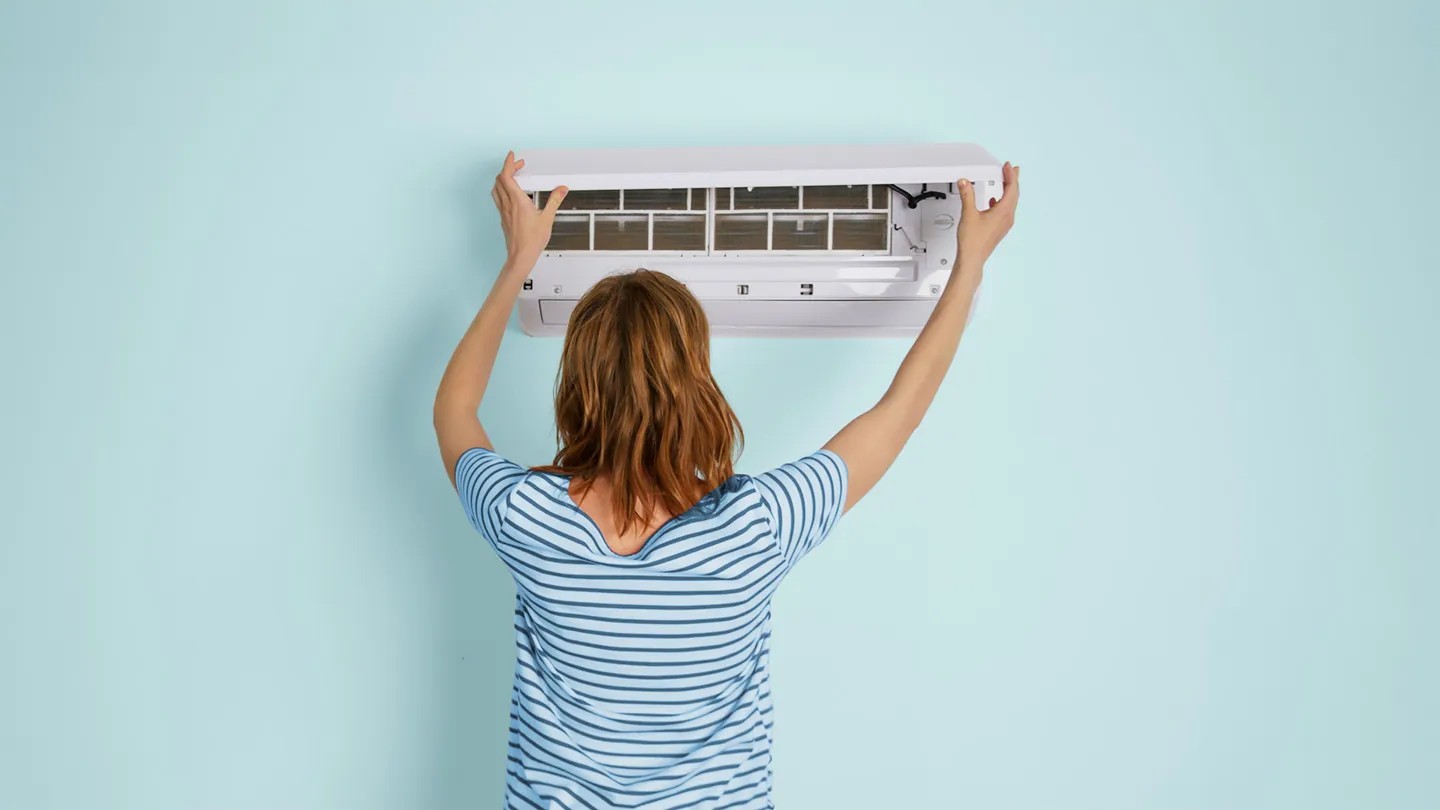
As temperatures rise and air conditioners run continuously, a silent threat can develop within these cooling systems: mold. While mold is a natural fungus found both indoors and outdoors, its presence in HVAC systems poses specific health risks, ranging from mild congestion to severe respiratory distress. Understanding why mold thrives in AC units and how to mitigate it is essential for maintaining a healthy home environment.
Why Air Conditioners Are Prime Targets for Mold
Mold requires four specific conditions to flourish: moisture, a food source, oxygen, and warmth. Air conditioners inadvertently provide all four.
The primary culprit is moisture. As an AC unit cools air, condensation forms on the cooling coils. In humid climates, such as the eastern United States, this process generates significant water accumulation. Jordan Peccia, PhD, a professor of chemical and environmental engineering at Yale University, notes that this condensation can spread to other components, like fans, creating an ideal breeding ground for fungi.
“In humid areas… a lot of water will condense on the air-conditioning unit’s cooling coils and potentially get onto other components like the fans, so that’s where one would have the highest risk for mold growth,” says Dr. Peccia.
This risk is not uniform across all regions. In hot, dry climates like Arizona or parts of California, less condensation forms, resulting in fewer microbial issues. However, for most homeowners in temperate or humid zones, the combination of trapped dust (which serves as food) and persistent dampness makes mold growth nearly inevitable without proper maintenance.
Recognizing the Signs of Infestation
Mold spores are microscopic and invisible to the naked eye until they begin to colonize. However, there are tangible indicators that your AC unit may be compromised:
- Visual Cues: Look for discolored, fuzzy, or slimy patches on accessible parts of the unit or near vents.
- Water Damage: Staining or warping around the unit can indicate excessive moisture retention.
- Odor: A distinct musty smell when the AC is running is often the first and most reliable sign of mold presence.
Critical Warning: If you suspect mold in your AC unit, do not turn it on. Activating the system can circulate millions of spores throughout your home, exacerbating exposure and potential health issues.
Health Implications: More Than Just an Allergy
Exposure to mold can affect anyone, regardless of whether they have a diagnosed mold allergy. Symptoms may appear immediately or develop over time and include:
- Respiratory Issues: Nasal congestion, runny nose, sneezing, and coughing.
- Irritation: Itchy, watery eyes, itchy skin (particularly around the face), and rashes.
- Systemic Effects: Headaches and dizziness.
For individuals with asthma, mold exposure can trigger severe attacks, including shortness of breath, wheezing, and chest tightness. Vulnerable populations—such as children, older adults, and those with compromised immune systems or underlying respiratory conditions—are at higher risk for serious health complications. If you experience unexplained symptoms that persist or worsen, consult a healthcare provider.
Prevention and Maintenance Strategies
While it is impossible to eliminate all mold spores from the indoor environment, you can significantly reduce growth by controlling moisture and limiting food sources for the fungus.
1. Optimize Drainage and Humidity
The most effective way to prevent mold is to keep the AC unit dry. Ensure that condensate drains are clear and functioning properly. Additionally, maintain indoor humidity levels below 60% using dehumidifiers if necessary.
2. Upgrade and Maintain Filters
Filters trap dust, which feeds mold. Replace filters according to manufacturer guidelines, typically every 60 to 90 days. Consider upgrading to a higher-efficiency filter to capture more particles, thereby starving the mold of its food source even if some moisture remains.
3. Keep the Area Clean
Regularly dust the area around the air conditioner to prevent debris from entering the system. Using an air purifier can also help remove excess particles and microbes from the surrounding air.
The Bottom Line
Air conditioners are inherently prone to mold growth due to the moisture and dust they accumulate, particularly in humid climates. By recognizing early signs like musty odors or visible discoloration and implementing strict maintenance routines—such as regular filter changes and humidity control—homeowners can effectively minimize health risks and ensure their cooling systems remain safe and efficient.