For decades, soy has been a nutritional battleground. Concerns over its phytoestrogen content – plant compounds that mimic estrogen – have fueled debates about its impact on health, particularly regarding cancer risk and hormonal balance. However, recent research is reshaping our understanding, revealing a far more nuanced picture.
The Estrogen Connection: How Soy Works in Your Body
Estrogen is a vital hormone influencing everything from reproduction to bone health. Soy contains phytoestrogens, primarily isoflavones, that can interact with estrogen receptors. These compounds don’t act like pure estrogen; instead, they bind weakly to these receptors, sometimes mimicking, sometimes blocking estrogen’s effects.
This duality is key. The body has two main estrogen receptors: ERα and ERβ. Isoflavones tend to favor ERβ, which is more abundant in bones and may offer protective effects. In contrast, ERα is dominant in breast and prostate tissues, where excessive estrogen can fuel cancer growth. Early animal studies suggested soy increased tumor growth, but these relied on rat models where isoflavones preferentially bind to ERα. Human studies now show that isoflavones predominantly bind to ERβ, potentially reducing cancer risk.
Soy & Cancer: Shifting Perspectives
The initial alarm over soy came from the 1990s. Now, the evidence suggests that moderate soy consumption can actually lower the risk of certain cancers. In tissues with more ERβ (like bones), isoflavones can compensate for declining estrogen levels, particularly during menopause, helping maintain bone density.
In tissues with more ERα (like breast and prostate), isoflavones may compete with stronger estrogens, potentially mitigating cancer risk. This protective effect is strongest in populations with lower overall estrogen levels.
Thyroid & Male Health: Debunking Myths
Another common concern is soy’s potential to disrupt thyroid function. Isoflavones can interfere with iodine-dependent thyroid hormone production, but this is primarily a problem for individuals with iodine deficiencies. With adequate iodine intake, the risk of hypothyroidism is minimal.
Similarly, fears that soy harms male reproductive health are largely unfounded. Large-scale studies consistently show that moderate soy consumption does not negatively impact testosterone or fertility.
Why Soy Deserves a Place in Your Diet
Soy foods—soybeans, edamame, tofu, tempeh, soymilk, miso—are nutritional powerhouses. They provide high-quality protein, fiber, and essential minerals like iron, calcium, and potassium. Beyond this, soy offers several benefits:
- Menopause Relief: Isoflavones can reduce hot flashes and night sweats.
- Cholesterol Management: Studies suggest soy protein can lower blood cholesterol levels.
- Bone Health: Isoflavones may increase bone calcium storage, combating age-related bone loss.
How Much Soy Is Safe?
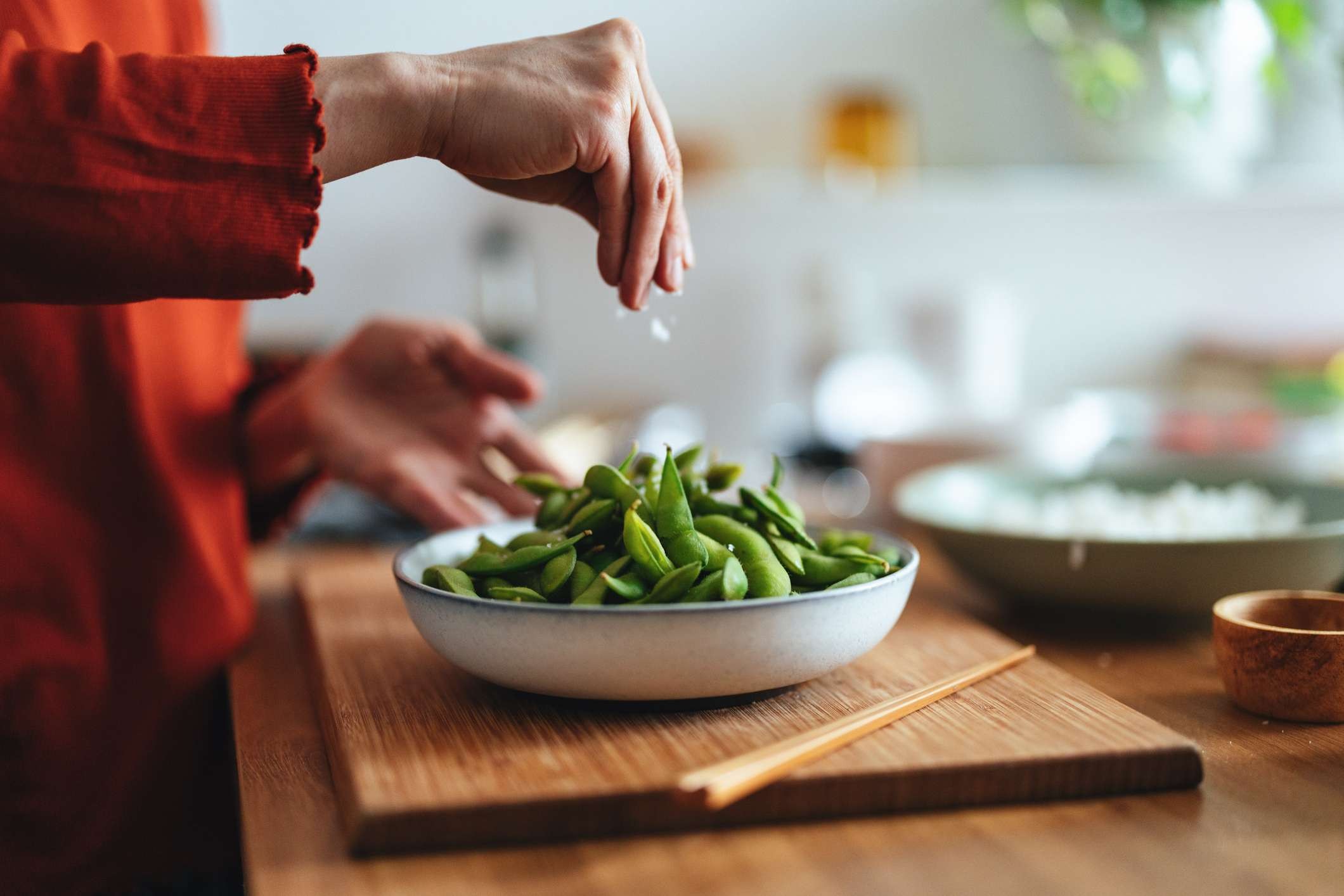
One to two servings (25-50 grams) of soy foods daily appears to be safe and beneficial for most people. This equates to roughly half a cup of edamame, three to four ounces of tofu, or one cup of soymilk.
Supplements are another story. High-dose isoflavone supplements can deliver concentrated doses, bypassing the body’s natural regulation mechanisms. Whole soy foods release isoflavones more slowly, reducing the risk of overexposure.
The Bottom Line
The science on soy has evolved. While early fears were valid, modern research demonstrates that moderate soy consumption is not only safe but may offer significant health benefits. The key is balance and context: ensure adequate iodine intake, choose whole soy foods over high-dose supplements, and understand that the effects of soy depend on individual factors like estrogen levels and gut health.