Multiple sclerosis (MS) is a chronic, often debilitating disease affecting the central nervous system – the brain, spinal cord, and optic nerves. While there’s no cure, effective treatments and management strategies exist to slow progression and minimize symptom severity. This article breaks down what MS is, its different forms, diagnosis, and available therapies.
What Happens in MS?
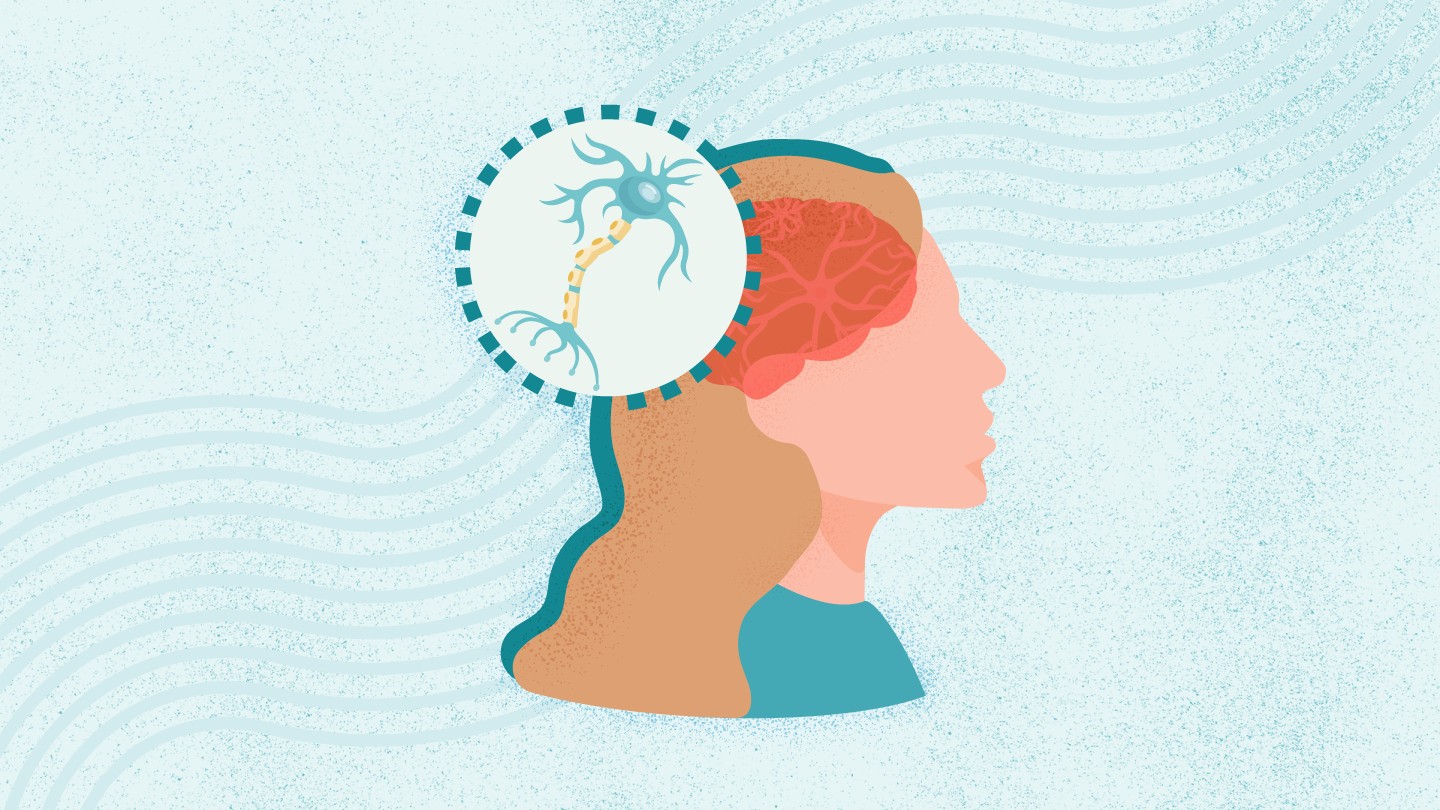
MS damages the myelin sheath, a protective coating around nerve fibers. This damage disrupts communication between the brain and body, leading to a wide range of neurological symptoms. The exact cause remains unknown, but current research points to a combination of genetic predisposition and environmental factors.
Why this matters: The disruption of nerve signals causes unpredictable symptoms that affect daily life, from vision problems and muscle weakness to cognitive difficulties. The disease’s variability makes diagnosis and treatment challenging.
Types of MS: More a Spectrum Than Distinct Categories
Traditionally, MS was categorized into distinct types: relapsing-remitting (RRMS), primary-progressive (PPMS), secondary-progressive (SPMS), and others. However, experts now recognize these as points along a single disease continuum. The underlying nerve damage is consistent, with symptoms varying based on severity and progression.
- Relapsing-Remitting MS (RRMS): The most common form, characterized by periods of worsening symptoms (relapses) followed by periods of partial or complete recovery (remissions). Approximately 85% of MS diagnoses fall into this category.
- Secondary-Progressive MS (SPMS): Often develops from RRMS, with gradual worsening of symptoms over time. Relapses may continue, but the overall trend is decline.
- Primary-Progressive MS (PPMS): Symptoms steadily worsen from onset, without distinct relapses. Accounts for roughly 15% of cases.
- Active PPMS: Formerly referred to as progressive-relapsing, this now describes cases with ongoing progression and occasional relapses.
Recognizing Symptoms: A Broad Range of Neurological Impacts
MS symptoms are unpredictable, varying between individuals and even within the same person over time. Common early signs include:
- Vision Problems: Blurred vision, double vision, or optic neuritis (inflammation of the optic nerve).
- Balance Issues: Difficulty walking, dizziness, or coordination problems.
- Sensory Changes: Numbness, tingling, or weakness in limbs.
- Fatigue: Overwhelming and persistent exhaustion.
- Cognitive Dysfunction: Problems with memory, focus, or decision-making.
Less common symptoms can include breathing difficulties, speech problems, and severe pain.
Why early detection matters: Prompt diagnosis allows for earlier intervention with disease-modifying therapies, potentially slowing progression.
Diagnosing MS: A Complex Process
There’s no single test for MS. Diagnosis relies on:
- Neurological Exams: Assessing physical function, reflexes, and cognitive ability.
- MRI Scans: Identifying brain and spinal cord lesions characteristic of MS.
- Lumbar Puncture: Analyzing cerebrospinal fluid for specific markers.
- Blood Tests: Ruling out other conditions with similar symptoms.
Doctors use the revised McDonald diagnostic criteria to improve accuracy, but diagnosis can still be challenging due to symptom overlap with other neurological disorders.
Treatment Options: Slowing Progression, Managing Symptoms
While MS is incurable, therapies can reduce relapse frequency, slow disease progression, and manage symptoms.
- Disease-Modifying Therapies (DMTs): Reduce inflammation and slow nerve damage. Ocrelizumab (Ocrevus) is the only approved DMT for PPMS. New subcutaneous formulations offer more convenient dosing.
- Symptomatic Treatments: Manage specific issues like pain, muscle spasms, fatigue, and depression.
- Rehabilitation Therapies: Physical, occupational, and speech therapy help maintain function and quality of life.
- Steroid Pulses: Short-term treatment for severe relapses, though they do not repair nerve damage.
Risk Factors and Prevention
The exact cause of MS is still unknown, but several factors increase risk:
- Epstein-Barr Virus (EBV): Recent studies suggest a strong link between EBV infection and MS development.
- Vitamin D Deficiency: Low levels may contribute to disease susceptibility.
- Smoking: Increases MS risk.
- Childhood Obesity: May be a contributing factor.
- Genetics: Family history increases risk, but MS is not strictly hereditary.
What you can do: Maintaining adequate vitamin D levels, avoiding smoking, and managing weight may reduce risk.
Disparities in Care
Research indicates that Black Americans develop more aggressive forms of MS compared to white Americans. More studies are needed to understand these disparities and ensure equitable access to effective treatments.
In conclusion, multiple sclerosis is a complex neurological condition with no cure. However, ongoing research, improved diagnostic tools, and a growing arsenal of therapies offer hope for managing symptoms, slowing progression, and improving the quality of life for those affected.