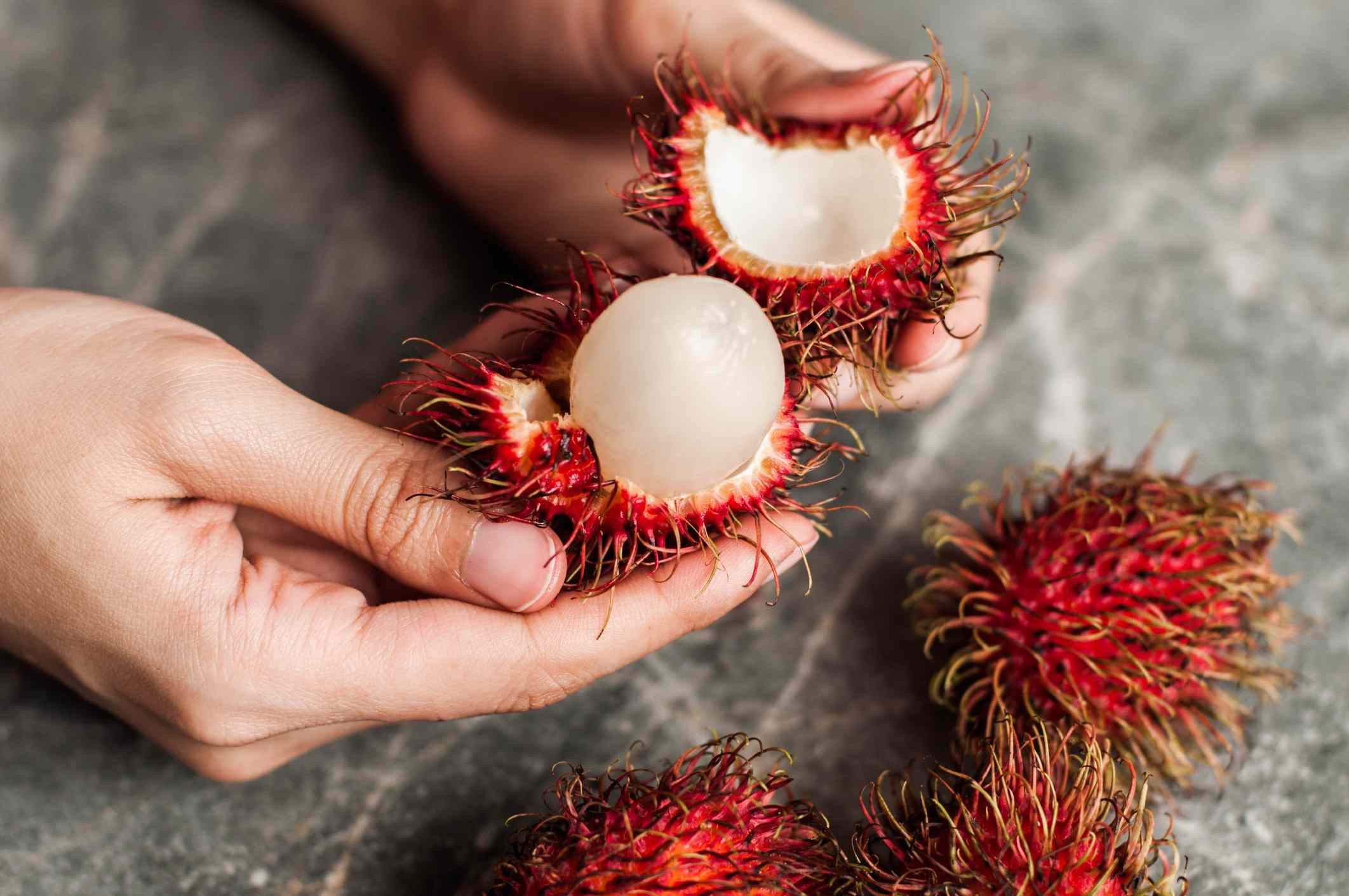
Rambutans, a Southeast Asian fruit with a distinctive spiky exterior, offer a unique blend of sweet and slightly acidic flavor. But beyond their exotic appeal, these fruits pack a significant nutritional punch, benefiting both heart and digestive health. Understanding why these benefits matter means recognizing the growing need for accessible, nutrient-rich foods in modern diets.
Antioxidant Powerhouse
Rambutans are notably high in vitamin C, a vital antioxidant that strengthens the immune system and promotes healthy skin. Antioxidants neutralize free radicals, unstable molecules that contribute to chronic diseases. A single 100-gram serving can deliver 24–77% of your daily vitamin C needs, potentially reducing the risk of heart disease by managing blood pressure and preventing artery plaque buildup, as well as lowering cancer risk.
Digestive Support Through Fiber
Rambutans are also a good source of both soluble and insoluble fiber. Soluble fiber feeds beneficial gut bacteria, which produce short-chain fatty acids (SCFAs) that fuel the large intestine and reduce inflammation. Insoluble fiber adds bulk to stools, preventing constipation and aiding regular bowel movements. Eating fiber-rich foods like rambutan can lower the risk of colon cancer, heart disease, and type 2 diabetes. A 100-gram serving provides 3–23% of your daily fiber intake.
Nutritional Breakdown
A 1-cup serving of canned rambutan (drained) contains approximately:
- Calories: 123
- Protein: <1 gram
- Carbohydrates: 31.4 grams
- Fiber: 1.35 grams
- Fat: <1 gram
- Copper: 11% DV
- Manganese: 22% DV
- Niacin: 13% DV
- Vitamin C: 8% DV
Fresh rambutan has similar nutritional benefits, though vitamin C content varies by growing region.
Consumption Notes
Rambutan is generally safe to eat, though rare allergies have been reported. Canned rambutan in syrup often contains high amounts of added sugar, which should be limited to 6–9 teaspoons daily, as recommended by the American Heart Association. The fruit’s outer skin is inedible and must be carefully removed before eating.
How to Enjoy Rambutan
Rambutans can be eaten fresh, in fruit salads, desserts, or even savory dishes like curries. To prepare fresh rambutan, choose ripe fruits with reddish skin. Cut around the middle with a sharp knife, peel away the spiky skin, and enjoy the translucent white flesh, spitting out the seed if desired. Rambutans can be found in Asian grocery stores or online retailers.
Rambutans aren’t just a tasty treat: they’re a nutrient-rich addition to a balanced diet, offering benefits that go beyond their exotic appeal.