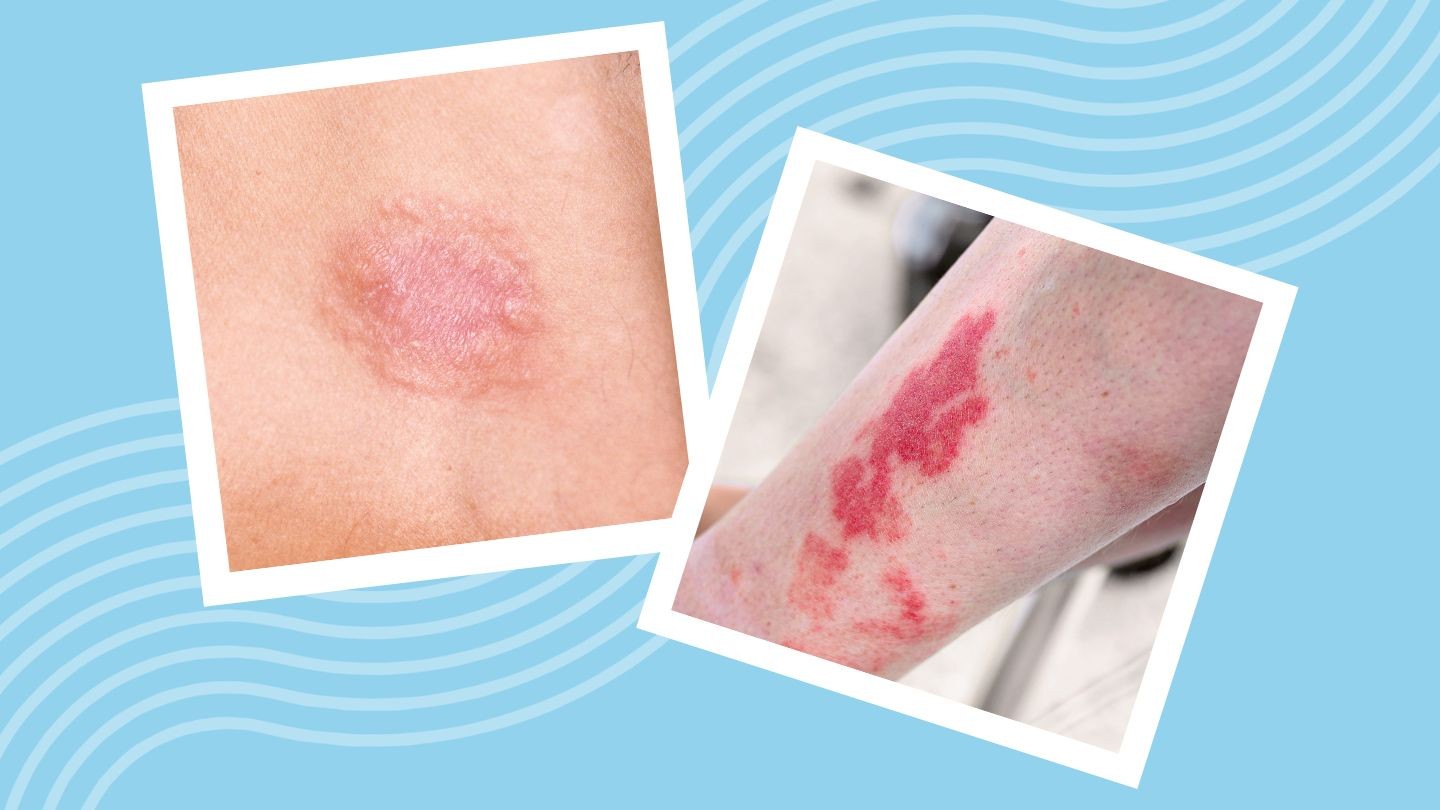
Leukemia is a group of blood cancers characterized by the rapid, uncontrolled production of abnormal blood cells in the bone marrow. Depending on the type—such as myeloid leukemia, which affects red cells, white cells, and platelets, or lymphocytic leukemia, which targets white blood cells—the disease can manifest in various ways.
While many associate leukemia with internal symptoms like fatigue or fever, the skin often serves as a visible indicator of the disease’s progression or a reaction to its treatment. Understanding these skin changes is vital, as they can signal anything from the cancer itself to side effects from chemotherapy.
Direct Skin Manifestations of Leukemia
In some cases, the cancer cells themselves move from the bone marrow into the skin tissues. This can lead to specific dermatological conditions:
Leukemia Cutis
This occurs when leukemia cells directly infiltrate the skin. It typically presents as firm bumps (papules), plaques, or nodules.
– On lighter skin: These may appear red, violet, or flesh-colored.
– On darker skin: They may appear dark purple, grayish, or hyperpigmented.
Leukemia cutis is particularly noted in children with congenital leukemia and often serves as a clinical sign of active or relapsed disease.
Sweet Syndrome
Less commonly, leukemia (specifically acute myeloid leukemia) can trigger Sweet syndrome. This condition presents as painful, red, or swollen skin lesions often accompanied by a fever. Because it is a systemic response, the primary treatment is typically corticosteroids to manage inflammation.
Vasculitis
Leukemia can trigger vasculitis, an inflammation of the blood vessels. When this affects the skin, it often appears as red, purple, or brown spots caused by bleeding beneath the surface. If left unmanaged, vasculitis can lead to more serious complications by restricting blood flow to various organs.
Indirect Skin Issues: Infections and Drug Reactions
Because leukemia and its treatments can weaken the immune system or alter body chemistry, patients are often more susceptible to secondary skin issues.
Increased Risk of Infection
- Folliculitis: A bacterial infection of the hair follicles that appears as itchy, acne-like bumps.
- Tinea (Ringworm): A highly contagious fungal infection. Patients with weakened immune systems are at a higher risk of contracting such infections.
Medication and Chemotherapy Reactions
The very treatments designed to fight cancer can cause significant skin distress:
– Morbilliform Drug Eruption: A widespread, measles-like rash of red bumps. This is frequently a reaction to antibiotics used to prevent infection in leukemia patients.
– Toxic Erythema (Chemo Rash): Chemotherapy can cause skin to become dry, irritated, or “sunburn-like,” particularly in skin folds. It is important to note that in darker skin tones, this redness may be less visible, making it harder to detect without physical inspection.
Easy Bruising and Bleeding
One of the most common signs is the appearance of frequent bruises or bleeding under the skin. This is not necessarily a “rash” but a direct result of low platelet counts. Platelets are responsible for clotting; when leukemia crowds out healthy cells, the body loses its ability to stop minor bleeding effectively.
Summary of Common Leukemia Symptoms
While skin changes are significant, they are often part of a broader systemic picture. Because leukemia cells “crowd out” healthy blood-forming cells in the bone marrow, patients commonly experience:
– Fatigue and weakness (due to low red blood cells)
– Frequent infections (due to low white blood cells)
– Easy bruising or nosebleeds (due to low platelets)
– Unexplained weight loss, fever, and bone pain
When to Seek Medical Attention
Skin changes in a patient with leukemia should never be ignored. Medical professionals recommend immediate consultation if a rash:
1. Appears new or spreads rapidly.
2. Is painful, itchy, or accompanied by fever.
3. Develops immediately after starting a new medication.
Note for patients: Anyone undergoing leukemia treatment should report any new skin changes to their oncology team immediately. Delaying reporting can allow medication-related rashes to worsen.
Conclusion: Skin symptoms in leukemia patients can be a direct result of cancer cell infiltration, a secondary infection due to a weakened immune system, or a reaction to intensive treatments like chemotherapy. Monitoring these changes is a critical component of managing the disease and its side effects.