Inulin, a type of soluble fiber found naturally in many plants, acts as a prebiotic – essentially food for the beneficial bacteria in your gut. While not a mandatory nutrient, increasing your fiber intake, particularly through inulin-rich foods, supports digestive health, appetite control, and overall well-being. This is because a healthy gut microbiome impacts everything from nutrient absorption to immune function.
Here are eight foods packed with inulin to incorporate into your diet. Quantities are based on a 100-gram (approximately 3.5-ounce) serving:
1. Chicory Root: The Inulin Champion
Chicory root boasts the highest inulin content at 41.6 grams per 100 grams. Traditionally used as livestock feed, it’s perfectly safe for human consumption. The leaves can be added to salads, while the root can be roasted as a caffeine-free coffee substitute. Note: chicory root has a naturally bitter taste, which mellows with cooking or soaking.
2. Jerusalem Artichokes (Sunchokes)
Despite the misleading name, Jerusalem artichokes are tubers with a crisp texture and nutty flavor. They contain around 18 grams of inulin per 100 grams. Enjoy them raw in salads or cooked alongside protein. Beyond inulin, they also offer iron, copper, and vitamin B1.
3. Dandelion Greens: More Than Just a Weed
Don’t underestimate the humble dandelion! Its greens provide 13.5 grams of inulin per 100 grams, alongside vitamins A, C, and K, plus folate, calcium, and potassium. The bitterness can be reduced by soaking in salted water or briefly boiling them.
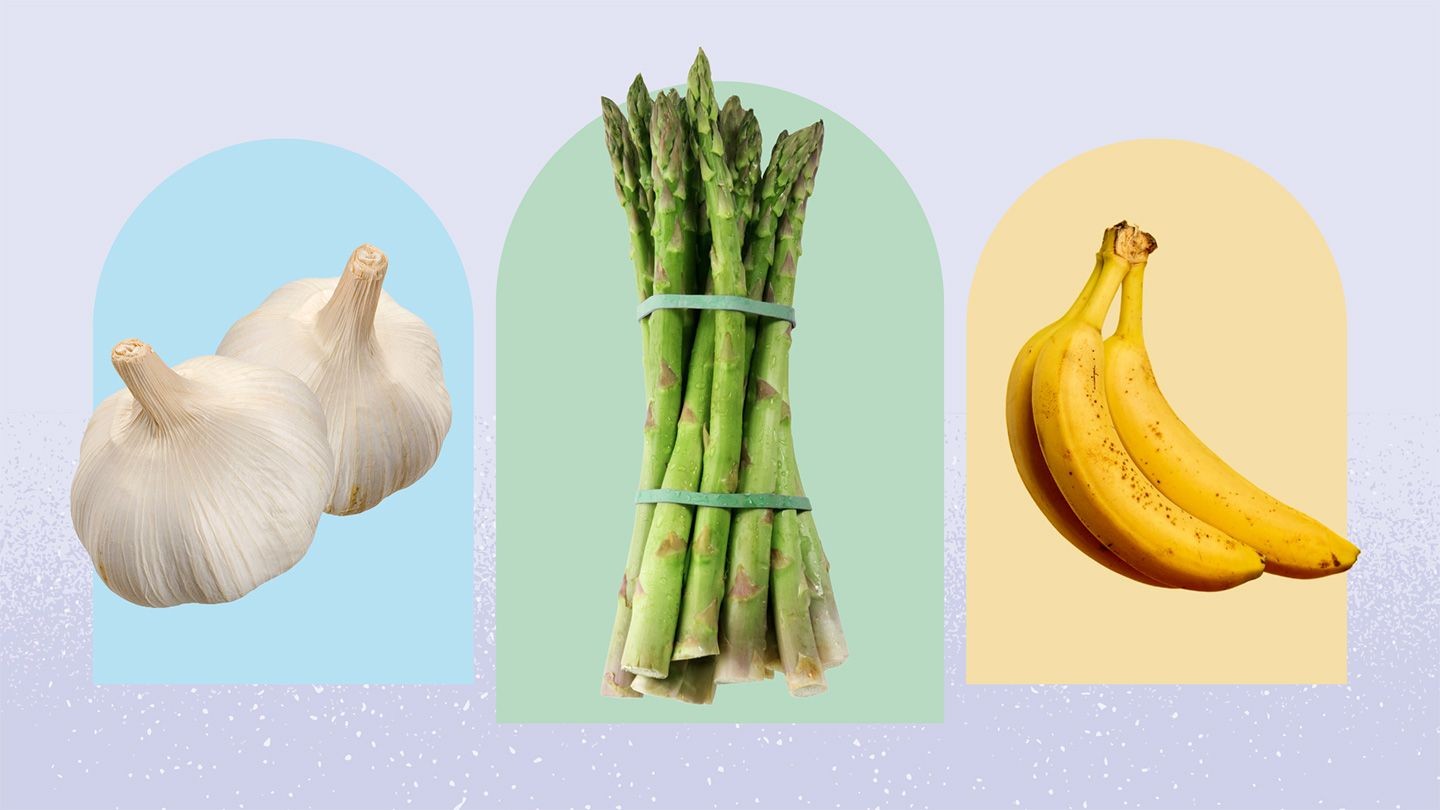
4. Garlic: A Flavorful Prebiotic
Garlic packs 12.5 grams of inulin per 100 grams. While you likely won’t eat that much at once, regular garlic consumption adds up. It also delivers modest amounts of vitamins C and B6, manganese, and selenium.
5. Leeks: A Milder Allium Option
Related to onions, leeks offer a sweeter, milder flavor with 6.5 grams of inulin per 100 grams. They are rich in vitamins K, B6, and C, plus copper, iron, and manganese. Leeks grow in soil and require thorough cleaning before use.
6. Wheat Bran: A Whole Grain Boost
Wheat bran, the outer layer of whole wheat, contains 2.5 grams of inulin per 100 grams. It’s also a good source of B vitamins, iron, copper, zinc, magnesium, and antioxidants. Use it in baking or as a breadcrumb substitute.
7. Asparagus: A Versatile Vegetable
Asparagus provides 2.5 grams of inulin per 100 grams, along with vitamins and minerals. Enjoy it grilled, steamed, or roasted for a healthy side dish.
8. Bananas: A Convenient Source
Bananas offer a smaller dose, around 0.5 grams of inulin per 100 grams, but still contribute to overall fiber intake. Plus, they provide vitamin C and potassium.
The Bottom Line: Incorporating inulin-rich foods into your diet can support a healthier gut microbiome and improve overall well-being. Prioritizing whole plant foods is key, as many processed items add inulin artificially.