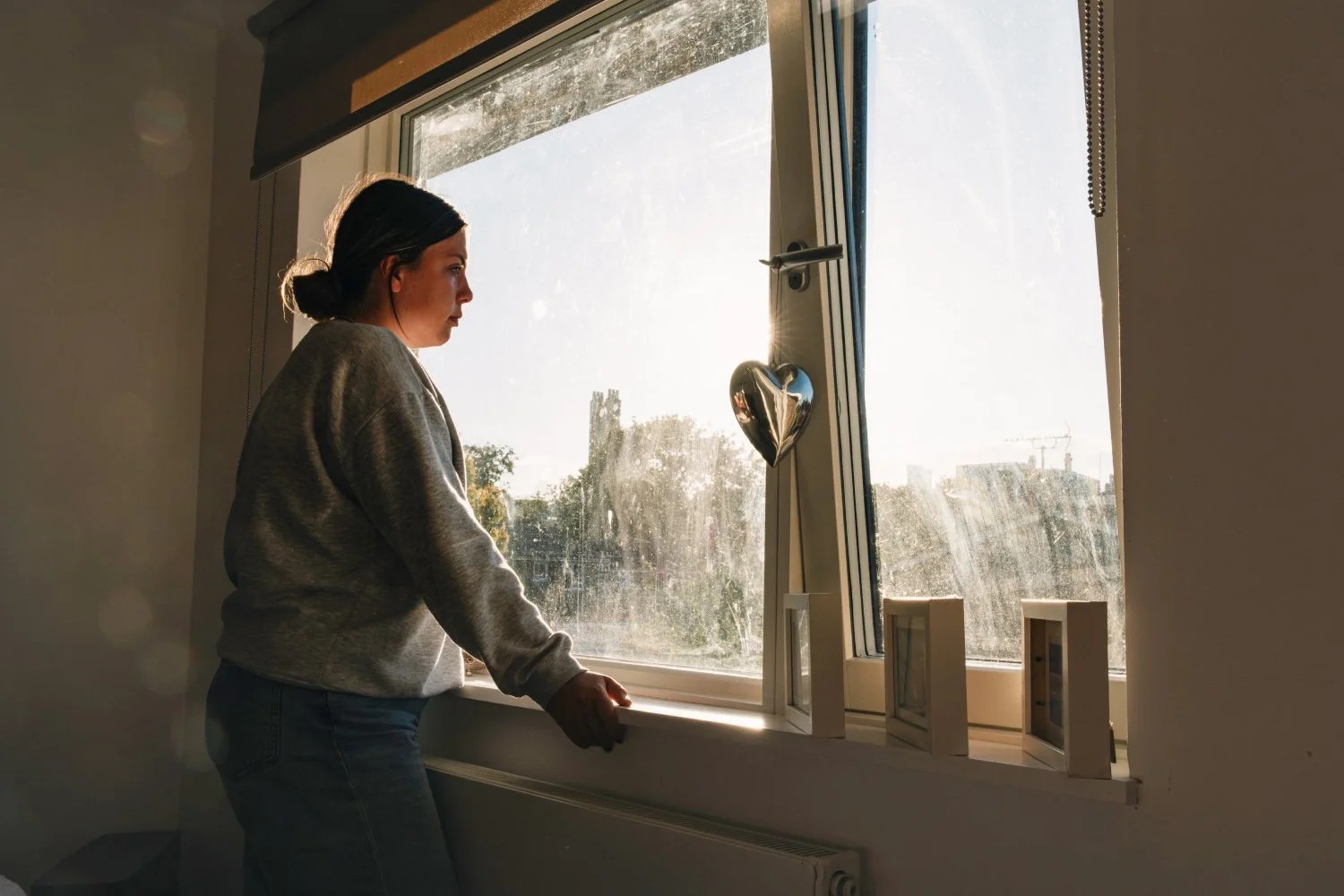
Agoraphobia, the intense fear of being in situations where escape might be difficult or help unavailable, affects millions. It’s not simply shyness or introversion; it’s a deeply rooted anxiety that can shrink a person’s world to the confines of their home. The core issue isn’t the outside world itself, but the fear of what might happen when outside. This article breaks down the causes, symptoms, and actionable steps to manage and overcome agoraphobia, based on clinical research and practical strategies.
What Drives the Fear?
Agoraphobia rarely emerges in a vacuum. Often, it develops after a triggering event—a panic attack in public, a traumatic experience, or prolonged periods of high stress. When the body associates certain environments with danger, it begins to build defensive barriers. Avoidance isn’t weakness; it’s the brain’s attempt to protect itself. Over time, however, this safety-seeking behavior can become the very thing that traps you.
Several factors contribute:
- Past Trauma: Negative experiences in public spaces can leave lasting imprints.
- Chronic Stress: An overloaded nervous system is more reactive to fear triggers.
- Genetics: Anxiety disorders tend to run in families.
- Personality: Highly sensitive individuals may internalize physical sensations more intensely.
- Co-occurring Conditions: Depression, social anxiety, and PTSD can overlap with agoraphobic symptoms.
Recognizing the Signs
Agoraphobia manifests differently for everyone. Some avoid specific places (crowded malls, public transit), while others struggle even with short outings. Symptoms range from mild hesitation to debilitating panic.
Common indicators include:
- Physical Symptoms: Racing heart, dizziness, shortness of breath, sweating, trembling.
- Emotional Symptoms: Trapped feelings, shame, isolation, increased anxiety or depression.
- Behavioral Patterns: Avoiding places or activities, relying on others for accompaniment.
The key is not the fear itself, but the avoidance that reinforces it. The longer you stay within your comfort zone, the harder it becomes to expand it.
8 Steps Towards Recovery
Overcoming agoraphobia isn’t about eliminating fear entirely; it’s about learning to manage it. These strategies, grounded in clinical practice, offer a gradual path to reclaiming your freedom:
- Understand, Don’t Resist: Accept that your fear is a learned response, not a personal failing. Observe it without judgment.
- Ground Yourself: When panic rises, use the 5-4-3-2-1 technique (name five things you see, four you hear, etc.) to anchor yourself in the present.
- Expose Yourself Gradually: Start small: sit by the door, step outside briefly, walk to the mailbox. Celebrate each step, no matter how tiny.
- Seek Professional Help: A therapist trained in CBT or exposure therapy can provide personalized guidance. Telehealth options are available for those who struggle with in-person sessions.
- Build a Support Network: Connect with friends, family, or online communities who understand your struggle.
- Regulate Your Nervous System: Prioritize sleep, nutrition, and stress-reducing activities like yoga or deep breathing.
- Practice Mindfulness: Observe fear without reacting to it. Name it (“This is anxiety”) and focus on your breath.
- Be Patient: Recovery isn’t linear. Some days will be harder than others. Compassion is key.
When to Seek Professional Support
While self-help strategies can be effective, professional guidance is crucial if agoraphobia severely impacts your daily life. If your fear prevents you from working, socializing, or leaving the house at all, seeking therapy is essential. A qualified therapist can help you challenge distorted thoughts and develop coping mechanisms tailored to your needs.
The Bottom Line
Agoraphobia isn’t a life sentence. With the right approach—combining gradual exposure, self-compassion, and professional support—it’s possible to reclaim control and break free from the cycle of fear. Recovery isn’t about being fearless; it’s about learning to live with fear without letting it define your world.